
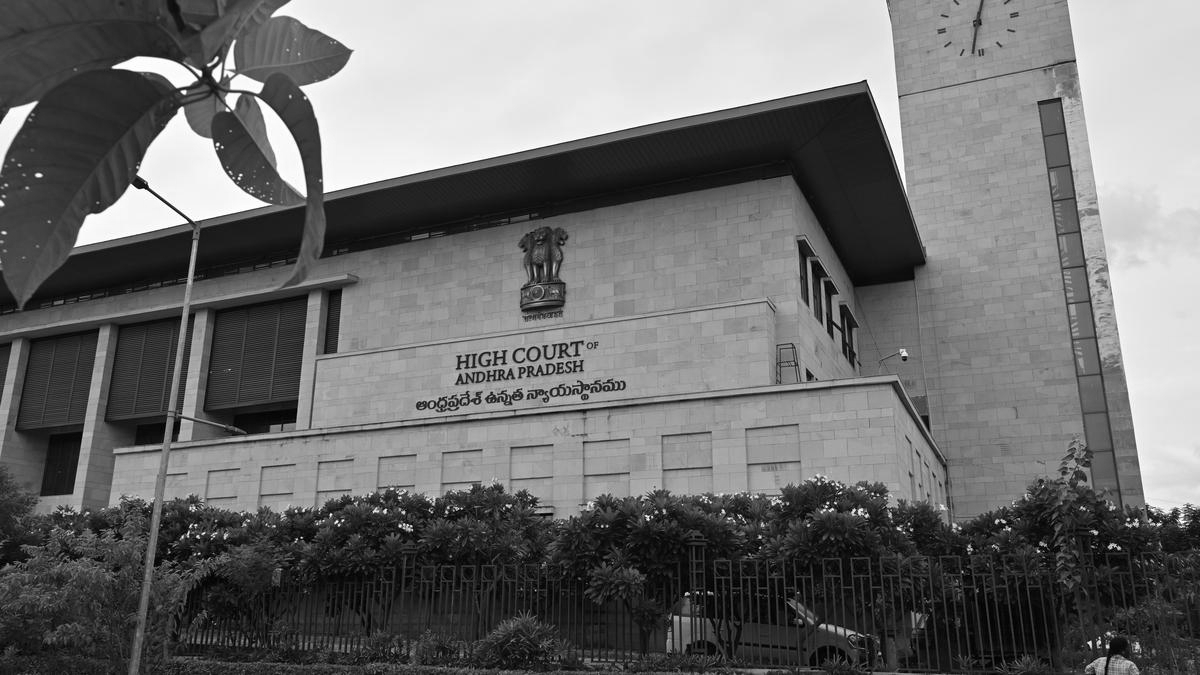
AP High Court Dismisses Group-2 Case, Clears Way for Recruitment
In a major relief to lakhs of aspirants, the Andhra Pradesh High Court has dismissed the writ petitions filed against the APPSC Group-2 recruitment notification, bringing an end to the prolonged legal uncertainty surrounding one of the state’s most sought-after competitive examinations. With this verdict, a significant legal hurdle that had delayed the recruitment process has now been cleared.
The case pertains to APPSC Group-2 Notification No.11/2023, which was issued in December 2023 for filling a total of 897 executive and non-executive posts across various state government departments. The High Court pronounced its decision on December 30, 2025, dismissing all the petitions and holding that the challenges raised against the notification lacked legal merit.
The writ petitions were filed by a section of Group-2 aspirants, and not by any political party or government. Soon after the notification was issued, some candidates approached the Andhra Pradesh High Court questioning the recruitment process. The matter gained prominence in early 2025, when the petitioners sought court intervention to either stay further stages of the examination or cancel the notification altogether. Several writ petitions were heard together as a batch.
The main grievance of the petitioners related to the implementation of reservation and roster points in the notification. They alleged that the horizontal reservation system applicable to women, persons with disabilities, ex-servicemen and sports persons was not properly implemented and violated established legal principles and Supreme Court guidelines. Based on these claims, the petitioners sought cancellation of the notification or correction of the roster methodology before proceeding further.
After examining the arguments, the Andhra Pradesh High Court found no prima facie illegality in the reservation or roster system followed by the APPSC. The court observed that the commission had acted in accordance with the existing rules and government policies. It also noted that the recruitment process had already reached an advanced stage and that interference at this point would adversely affect lakhs of candidates who had participated in the examination.
The High Court further emphasized that individual grievances cannot outweigh larger public interest, especially in large-scale recruitment processes. The court held that the petitioners failed to demonstrate irreparable harm and reiterated the principle of judicial restraint in administrative and policy matters. On these grounds, it dismissed the petitions and allowed the recruitment process to continue.
The Group-2 notification was issued on December 7, 2023, by the Andhra Pradesh Public Service Commission. At that time, YS Jagan Mohan Reddy was the Chief Minister of Andhra Pradesh, and the notification was released during the tenure of the YSRCP government. Although APPSC is an independent constitutional body, recruitment notifications are issued on behalf of the state government in power.
Under the notification, a total of 897 vacancies were announced, including 331 executive posts and 566 non-executive posts. These positions span several key departments and are considered among the most competitive roles in the Andhra Pradesh public services.
While the legal challenge has now been settled, APPSC has not yet announced an official date for the declaration of Group-2 results. However, with the High Court’s verdict clearing the way, the commission is expected to proceed with the remaining stages of the recruitment process, including the declaration of mains results, conduct of computer proficiency tests where applicable, and release of the final selection list.
The judgment brings long-awaited clarity to the Group-2 recruitment process and provides relief to aspirants who have been waiting for months amid uncertainty. By dismissing the petitions, the High Court reaffirmed that recruitment processes should not be stalled without clear evidence of illegality and underscored the importance of timely appointments in public service.