
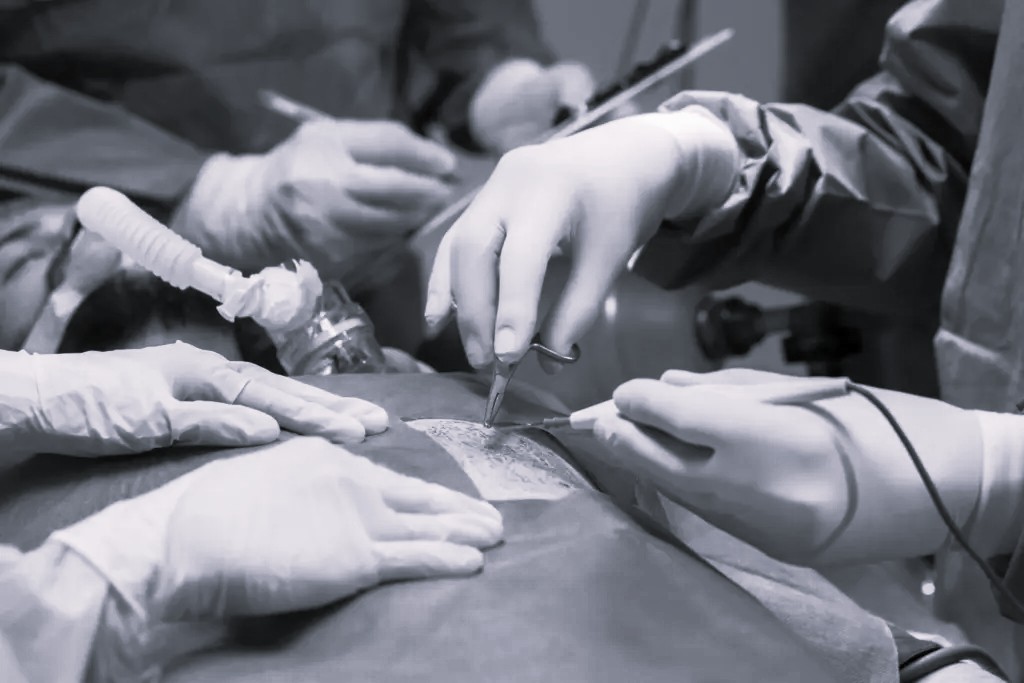
AP govt clears surgical practice for postgraduate ayurveda doctors
In a significant move aimed at integrating traditional Indian medicine with modern healthcare, the Andhra Pradesh government has approved permission for qualified Ayurveda doctors to independently perform select surgical procedures. The decision is part of the state’s effort to strengthen AYUSH (Ayurveda
Yoga & Naturopathy, Unani, Siddha, Homoeopathy) services and expand access to healthcare, particularly in underserved areas.
Health Minister Satya Kumar Yadav announced that Ayurveda practitioners who have completed postgraduate training in surgical disciplines will be allowed to carry out operations. The approval follows national regulations issued by the National Commission for Indian Systems of Medicine (NCISM) and the Indian Medicine Central Council (IMCC) Regulations, 2020, which provide a legal framework for such practices.
The permission, however, is not extended to all Ayurveda doctors. Only those who meet strict eligibility criteria will be allowed to perform surgeries. Eligible practitioners must have completed a Bachelor of Ayurvedic Medicine and Surgery (BAMS) degree, followed by a postgraduate qualification in Shalya Tantra (general surgery) or Shalakya Tantra (ENT and ophthalmology). In addition, they must possess adequate clinical training, hands-on surgical experience, and formal recognition from the government or the relevant medical council. Unqualified or untrained practitioners will not be permitted to conduct surgical procedures.
Under the new policy, qualified Ayurveda surgeons will be allowed to perform a total of 58 surgical procedures. These include 39 procedures under Shalya Tantra and 19 procedures under Shalakya Tantra. The permitted surgeries cover treatment of infected wounds, removal of damaged tissue caused by injuries, suturing of wounds, management of piles and anal fissures, removal of cysts and abnormal growths, cataract-related procedures, muscle repair, and skin grafting, among others.
To ensure safe implementation of the decision, the state government has initiated steps to strengthen Ayurvedic medical education and infrastructure. The health minister held detailed discussions with AYUSH department officials, including Director K. Dinesh Kumar, on the measures required. He directed that postgraduate courses in Shalya Tantra and Shalakya Tantra be introduced immediately at the Government Ayurveda College in Vijayawada.
The government has also instructed authorities to establish well-equipped operation theatres, provide modern surgical instruments, and appoint qualified teaching faculty. These measures are intended to ensure high-quality education, proper clinical training, and patient safety.
Ayurvedic surgery has a history spanning more than 2,500 years, with its foundations laid in classical texts such as the Sushruta Samhita, regarded as one of the world’s earliest surgical manuals. Over time, however, the practice declined as modern allopathic medicine expanded. While the central government issued guidelines for Ayurvedic surgical practice as early as 2000 and later reinforced them through NCISM regulations, previous state governments did not fully implement them. The current administration says this decision addresses that long-standing neglect of AYUSH services.
According to the state government, the policy is expected to bring several benefits. It aims to improve access to surgical care in rural and underserved regions, enhance professional recognition for AYUSH doctors, strengthen government Ayurveda hospitals, reduce the burden on allopathic hospitals, and promote greater respect for India’s traditional medical systems.
The decision has also sparked criticism from some allopathic medical associations, which argue that surgery is a highly sensitive field and that patient safety must remain paramount. They have called for uniform standards across medical systems.
Responding to these concerns, the government clarified that surgical permissions will be granted only to properly qualified and trained practitioners, under strict regulatory oversight. Officials stressed that the move is not intended to compete with modern medicine but to complement it through a collaborative healthcare approach.
Looking ahead, the government believes the policy will help revive Ayurvedic surgical science, encourage young doctors to pursue advanced Ayurvedic education, and promote a uniquely Indian integrated healthcare model. Health Minister Satya Kumar Yadav described the move as historic, stating that combining ancient surgical knowledge with modern standards can significantly strengthen the public healthcare system.