
Anticipatory Bail Rejected? Court Still Can’t Order Surrender, Says SC
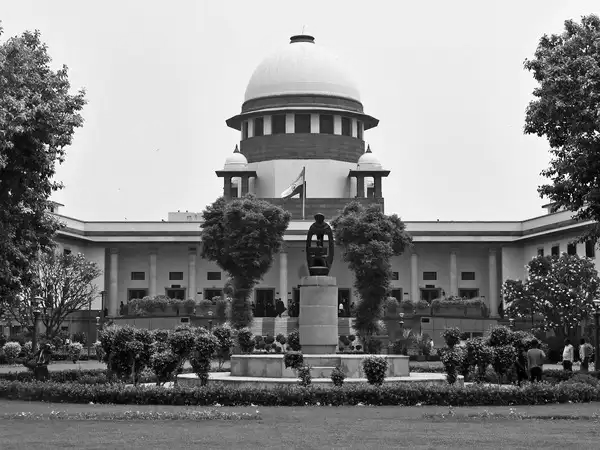
In a significant ruling that sharpens the boundaries of judicial power, the Supreme Court of India has made it clear that while courts are fully empowered to reject anticipatory bail pleas , they cannot direct an accused person to surrender before a trial court.
The observation came from a bench of Justices J B Pardiwala and Ujjal Bhuyan during the hearing of a petition filed by a man accused in a case involving cheating and forgery linked to a land dispute. The bench categorically stated that such directions go beyond the legal authority of courts . “If the court wants to reject the anticipatory bail, it may do so, but it has no jurisdiction to say that the petitioner should now surrender,” the judges observed.
The case reached the apex court after the Jharkhand High Court rejected the accused’s anticipatory bail plea and asked him to surrender and apply for regular bail . The High Court had dismissed the plea citing the absence of any new grounds and relied on its earlier order, which had issued a similar direction based on the ruling in Satender Kumar Antil v. CBI .
However, the Supreme Court found this approach legally unsustainable, stating that denial of anticipatory bail does not automatically grant courts the power to compel surrender. It described such directions as “wholly without jurisdiction,” reinforcing the principle that judicial orders must remain within clearly defined legal limits.
The ruling is important as it brings clarity to the scope of anticipatory bail proceedings and ensures that procedural fairness is not compromised. It underlines that while courts can deny protection from arrest, they cannot impose additional obligations not permitted by law.