
Annavaram Temple: The Sacred Hill of Satyanarayana and Timeless Traditions
Before the sun rises over the Eastern Ghats, Ratnagiri Hill is already awake.
A soft breeze moves through the trees. The Pampa River glimmers quietly below. And slowly, step by step, people begin their climb not just with offerings in their hands, but with silent wishes in their hearts.
Some come seeking answers. Some come carrying burdens. All come believing.
Because this is Annavaram a place where, they say, no prayer goes unheard and no devotee leaves empty-handed.
Where a Hill Became Devotion Itself
Legends speak of a time when this hill was not stone, but a devotee Ratnakara. Born of Meru and Menaka, he chose a life of penance, seeking only one blessing: to serve the divine forever. When Lord Vishnu appeared before him, Ratnakara asked for the rarest gift to carry the Lord upon himself. The blessing came with time, and in the age of Rama, the promise was fulfilled. Ratnakara became Ratnagiri Hill, and the Lord chose to reside here in the form of Satyanarayana, representing truth, balance, and cosmic order. Even today, every step taken toward the temple is believed to be a step across devotion itself.
A Sacred Journey Through Space and Elevation
Located in Andhra Pradesh’s Kakinada district, Annavaram lies about 18 kilometers from Tuni, 51 kilometers from Kakinada, and 120 kilometers from Visakhapatnam, with easy access via National Highway 16. The town is well connected by rail, as most major express trains halt at Annavaram station, while frequent bus services ensure smooth road connectivity. Devotees can reach the hilltop either by a well-constructed ghat road or by climbing the traditional stone steps, each offering a distinct spiritual experience. For many, the journey itself becomes part of the prayer, making the ascent as meaningful as the destination.
A Temple That Moves Like Time
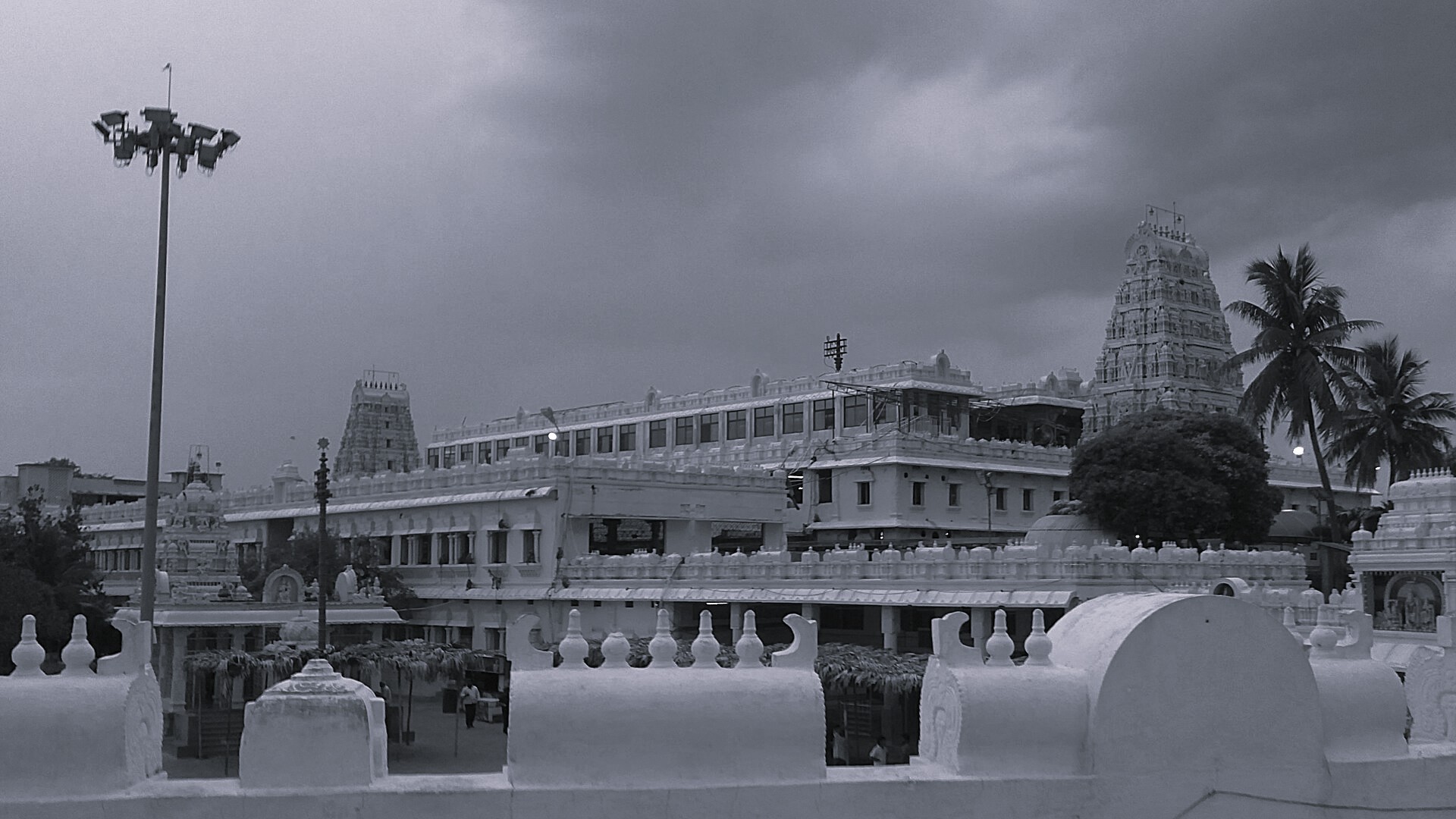
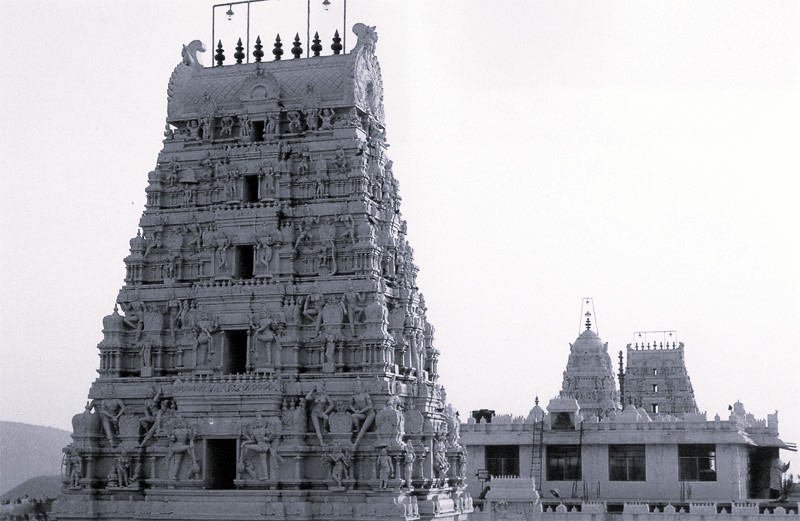
At the summit stands a temple that is not static in meaning but dynamic in symbolism. Built in the shape of a chariot as described in ancient texts like the Agni Purana, its four wheels represent the Sun and Moon, signifying the eternal cycle of time. The golden entrance radiates a welcoming glow, leading into sanctum spaces that are arranged in levels, guiding devotees upward both physically and spiritually. The structure itself becomes a metaphor for life’s journey constantly moving, evolving, and ultimately seeking the divine.
One Idol, Three Universes
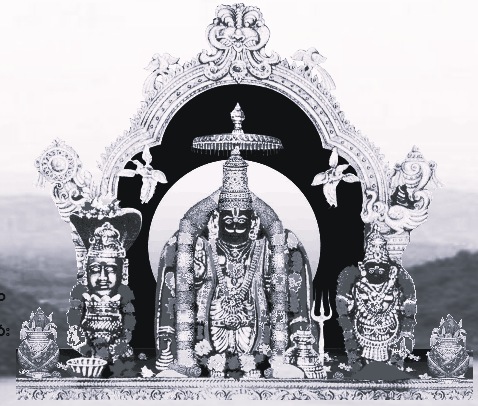
Inside the sanctum, the idol of Lord Satyanarayana presents a profound philosophical vision. At its base is Brahma, symbolizing creation; in the middle stands Shiva, representing transformation and dissolution; and at the top is Vishnu, the preserver, manifesting as Satyanarayana. Together, they form a single unified structure, illustrating the inseparable cycle of creation, preservation, and destruction. Devotees begin their darshan at the base and move upward to view the divine form, mirroring the inner spiritual ascent from foundation to realization.
The Hidden Core of Power
At the heart of the temple lies the Vaikuntha Maha Narayana Yantra, a powerful spiritual diagram believed to radiate divine energy. Surrounding it are deities including Ganapati, Surya, Bala Tripurasundari, and Shiva, arranged in a way that symbolizes cosmic balance and unity. This sacred arrangement transforms the temple into a center where multiple spiritual traditions Shaiva, Vaishnava, and Shakta coexist harmoniously, offering devotees a sense of inclusiveness and universal divinity.
A Ritual That Binds Lives Together
As the day progresses, the temple becomes a gathering place for hundreds of families performing the Satyanarayana Vrata. Newly married couples seek blessings for a harmonious life, parents pray for health and prosperity, and many devotees come to fulfill vows made during difficult times. The ritual, though simple in its process, carries deep emotional and spiritual significance. Conducted in specially built halls with modern facilities, it transforms individual prayers into a shared experience of faith, reinforcing a sense of collective devotion.
The Prasadam: Where Blessing Meets Taste
Among the most cherished aspects of Annavaram is its prasadam, eagerly awaited by every devotee. Prepared using wheat rava, pure cow ghee, milk, sugar, and cardamom, this offering known as Bhogam is both sacred and nourishing. Served hot in traditional leaf bowls, it carries not just flavor but faith. Devotees believe that consuming this prasadam brings divine blessings, promotes well-being, and fulfills wishes. Its taste lingers long after the visit, becoming a sensory memory tied deeply to spiritual experience.
A Temple Born from a Dream
The history of Annavaram as a temple began in 1891, when a divine vision guided a devotee, Eranki Prakasa Rao, and the ruler of Pithapuram to the idol hidden beneath a tree on Ratnagiri Hill. Following this discovery, the idol was installed with proper rituals, marking the beginning of worship. Over time, what started as a modest shrine evolved into a grand temple complex, particularly after its reconstruction in stone during 1933–34, while still preserving its original sanctity and spiritual essence.
Festivals That Turn Faith into Celebration
Throughout the year, Annavaram hosts a series of vibrant festivals that bring the temple to life. The Kalyanotsavam on Vaishakha Ekadashi, Satyanarayana Jayanti in the Shravan month, Navaratri celebrations, and Dhanurmasa rituals are observed with great devotion. The Karthika month is especially significant, drawing large crowds for Giripradakshina, where devotees walk around the hill as an act of faith. A highlight of these celebrations is the Jwala Toranam, a ritual where a sacred fire arch is lit and the deity’s procession passes through it, creating a mesmerizing spiritual spectacle.
The River That Cleanses More Than the Body
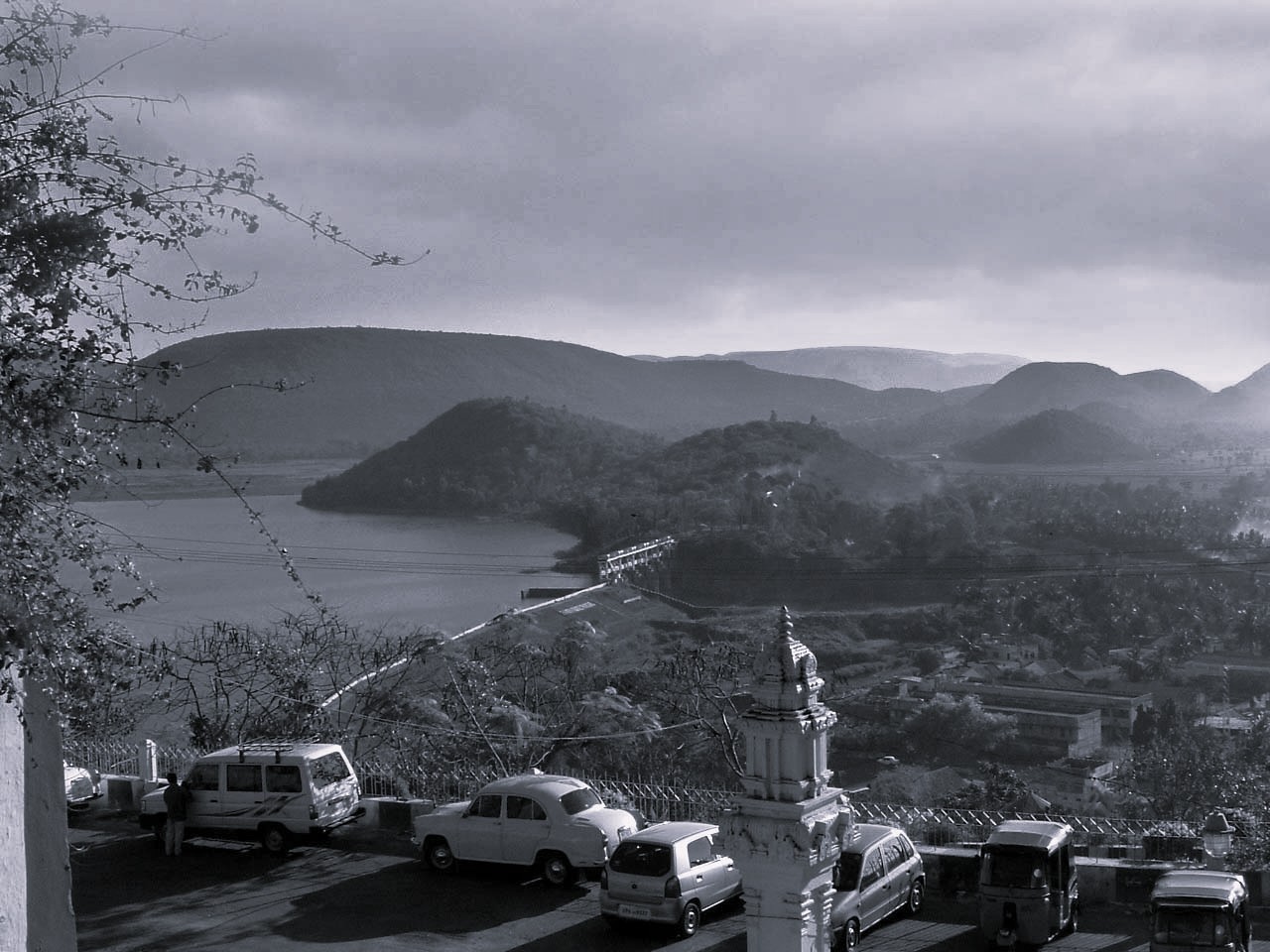
Flowing at the foot of Ratnagiri Hill, the Pampa River holds deep spiritual significance. According to legend, a devoted woman transformed into this river to remain eternally at the Lord’s feet. Pilgrims traditionally bathe in its waters before ascending the hill, believing it purifies both body and mind. The surrounding reservoir, along with boating facilities and lush greenery, adds to the tranquil atmosphere, offering visitors a blend of spiritual and natural rejuvenation.
A Living System of Service and Care
Annavaram stands as a model of service-oriented spirituality. The temple provides free meals daily under its Annadanam scheme, ensuring that no devotee leaves hungry. Accommodation facilities, both on the hill and at its base, cater to pilgrims from all backgrounds. Additionally, a Vedic school operates under the temple’s administration, preserving ancient knowledge and supporting young students with education and care. The temple’s revenue is efficiently utilized for these services, making it not just a place of worship but a center of community welfare.
A Place That Lives in Memory
As evening falls, Ratnagiri Hill slowly returns to silence. Devotees descend with fulfilled wishes, lighter hearts, and lingering memories. The cool breeze, the sacred chants, the taste of prasadam, and the sight of the temple all come together to create an experience that stays long after the journey ends. Annavaram is not just a destination it is a feeling, a reminder that faith, when experienced deeply, becomes a part of one’s life.