
Andhra to get longest highway tunnel by 2027
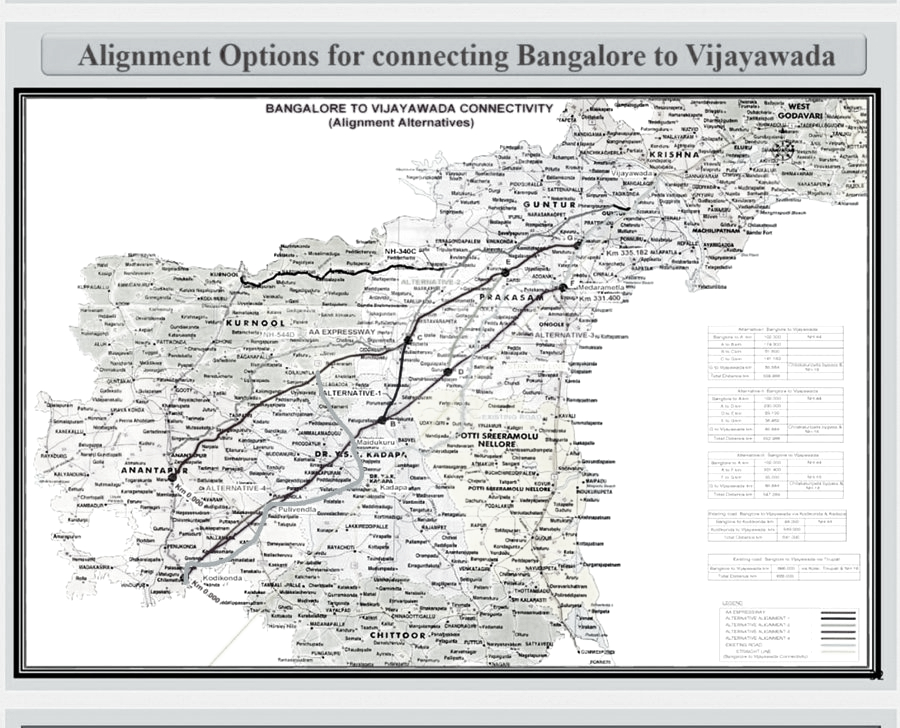
A massive infrastructure project is taking shape in Andhra Pradesh as construction begins on the state's longest highway tunnel. The tunnel is a crucial part of the 518-km Vijayawada-Bengaluru Greenfield Expressway, a six-lane highway (NH-544G) being built under the central government’s Bharatmala Pariyojana Phase 2. The twin tunnels will connect Sri Potti Sri Ramulu Nellore and YSR Kadapa districts.
The project is a significant engineering feat, with two parallel tunnels being constructed to accommodate vehicles going in opposite directions. Each tunnel is designed to be 3.68 km long, with a width of 16.7 meters and a height of 9.8 meters. The total cost of the project is estimated at Rs. 857.75 crore, and the contract has been awarded to Max Infra Company.
Work on the tunnel commenced in February of this year and is set to be completed by February 6, 2027. Following construction, Max Infra Company will also be responsible for the tunnel's maintenance for the next 15 years. National Highways Agency officials confirmed that upon completion, this tunnel will be the longest of its kind on any highway in the state.
The broader Vijayawada-Bengaluru Greenfield Expressway is designed to significantly reduce travel time between these two major cities while also connecting important industrial areas. A key feature of this expressway is its controlled-access nature, with only 13 designated entry and exit points planned along the entire route, located approximately every 40 kilometers. This design is intended to minimize traffic and maximize efficiency, allowing vehicles to travel at speeds of up to 120 km/h.
Unlike traditional national highways that often cut through villages and towns, this Greenfield Expressway is being built primarily over agricultural lands, bypassing residential areas. This approach has two major benefits: it minimizes disruption to local communities and reduces the impact of pollution on people's health. The highway is also being built at a higher elevation than traditional roads, which helps with water drainage and overall durability.
The entire highway construction has been divided into five separate packages to accelerate the work. Current construction involves filling low-lying areas, laying the foundation with gravel, and building bridges over various streams and agricultural fields to ensure a smooth and stable route. This ambitious project is set to transform the connectivity between Andhra Pradesh and Karnataka, supporting economic growth and making travel safer and more efficient.