
Andhra Pradesh Screens 27.54 Lakh Children, Detects 5,320 Rheumatic Heart Disease Cases
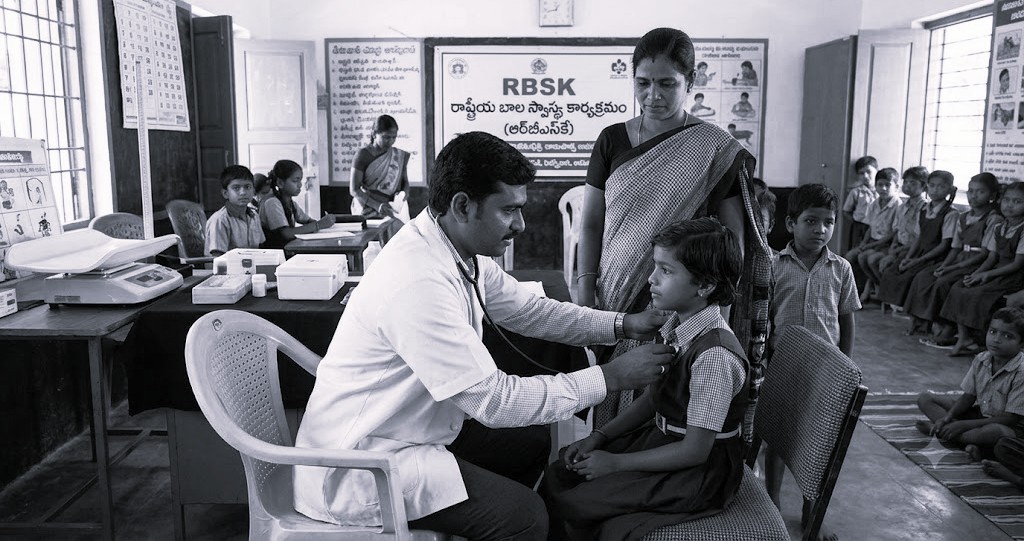
Andhra Pradesh has screened 27.54 lakh children under the Rashtriya Bal Swasthya Karyakram (RBSK) over the past three months, identifying 27,039 children requiring specialised medical care, while another 541 have undergone surgeries. Health Department Secretary G. Veer Pandian has directed officials to complete the screening targets by December.
The programme covers children below 18 years at Anganwadi centres, government and government-aided schools. Against the reported target of 53,66,466 children, 51.32% have been screened. Medical officers conducted further examinations on 9,32,352 children, identifying 27,039 requiring treatment. Health and Family Welfare Commissioner K.V.N. Chakradhar Babu and other senior officials participated in a review of the programme.
The expanded RBSK 2.0 framework targets 62.65 lakh children during 2026–27. It covers 38 health conditions, including congenital defects, nutritional deficiencies, childhood diseases, developmental delays and disabilities, alongside diabetes, hypertension, thyroid and kidney disorders.
Among the major findings were 5,320 reported cases of rheumatic heart disease and 5,122 skin disorders. Rheumatic heart disease involves lasting damage to the heart valves following rheumatic fever, which can develop after a streptococcal infection. Severe cases may lead to heart failure, abnormal heart rhythms, blood clots and stroke, and may require valve repair or replacement surgery. However, the screening figures do not establish how many children have advanced disease or whether every case was newly diagnosed. Other findings included 1,494 respiratory problems, 1,141 dental conditions, 1,037 epilepsy cases, 568 diabetes cases, 311 cases of high blood pressure, 31 kidney diseases, 69 ear infections, 12 tuberculosis cases and nine leprosy cases.
Nutritional screening detected 3,673 vitamin A deficiencies, 1,847 vitamin D deficiencies, 715 cases of severe acute malnutrition, 650 cases of anaemia and 338 cases of thyroid enlargement.
Congenital conditions included 455 neural tube defects, 243 Down syndrome cases, 153 cleft lip and palate cases, 142 clubfoot cases, 102 hip disorders, 126 congenital heart defects, 83 cataracts, 62 hearing impairments, 33 eye disorders among premature infants and eight congenital kidney or urinary tract abnormalities.
Developmental findings included 236 vision problems, 413 hearing impairments, 246 neurological movement disorders, 181 motor delays, 61 intellectual development concerns, 45 language delays, 27 behavioural disorders, 19 anxiety cases, eight attention-deficit/hyperactivity disorder cases, four sleep disorders, 35 neurodevelopmental conditions, 15 autism cases and 20 learning difficulties. Two cases of severe developmental delay, 24 congenital thyroid disorders and 157 adolescent health conditions were also reported.
Children requiring further assessment are referred to district and teaching hospitals for treatment and surgery where necessary. An earlier report recorded 441 surgeries by August 19, costing ₹2.42 crore, while the latest figure stands at 541. The programme follows the four-D framework: defects at birth, diseases, deficiencies and developmental delays, including disabilities.