
America Started It, Iran Endured It, and Pak Army Chief Munir Is in Tehran Because Someone Has to End It
The fate of West Asia , and potentially the global energy order, now rests on a critical 24 hour window , as Pakistan Army Chief Field Marshal Asim Munir completed an intensive round of high level talks in Tehran on Saturday and the world waited for US President Donald Trump to make a decision that could either seal a historic peace deal or unleash a devastating resumption of the US Iran war .
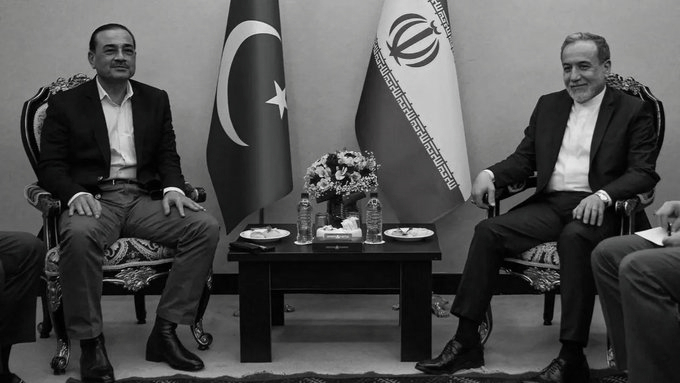
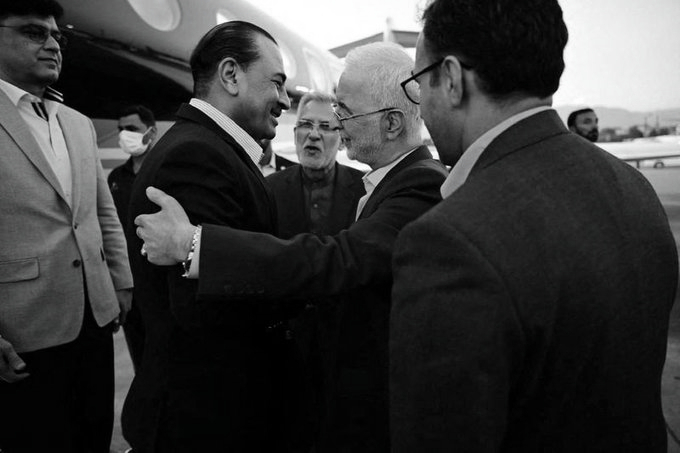
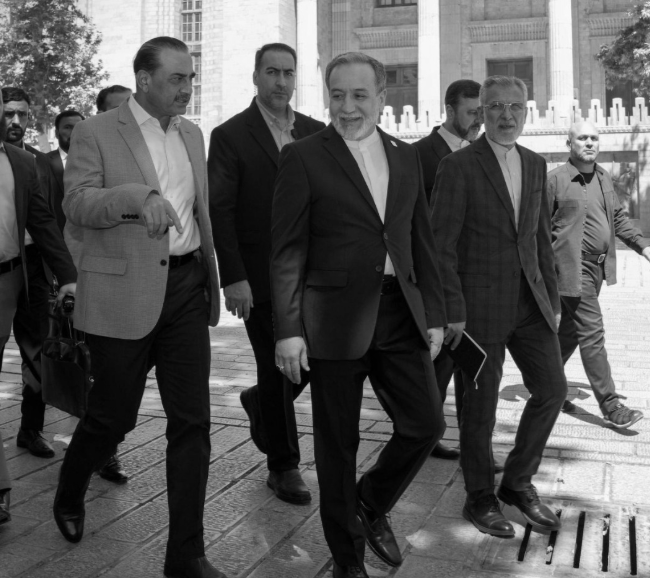
Munir, who flew to Tehran on Friday as part of what the Pakistan Army described as ongoing mediation efforts, held late night discussions with Iran Foreign Minister Abbas Araghchi and also met Parliament Speaker Mohammad Bagher Ghalibaf . Pakistan’s Interior Minister Mohsin Naqvi was already present in the Iranian capital conducting parallel talks with senior Iranian officials, signalling a coordinated, multi track diplomatic effort by Islamabad to push a final agreement across the finish line. Pakistan said afterwards that the talks had produced “encouraging progress toward a final understanding” , though no deal was formally signed before Munir departed.
The urgency driving the visit was palpable. Just hours earlier in Washington, Trump told Axios it was a “solid 50/50” chance he would either secure a “good” deal or choose to “blow them to kingdom come.” He said he would meet negotiators Steve Witkoff and Jared Kushner on Saturday, with Vice President JD Vance also expected to join, and would likely announce a decision by Sunday. Secretary of State Marco Rubio , speaking from New Delhi, acknowledged that “some progress” had been made and said there was “a chance” Iran could accept a framework as soon as Saturday, while warning that the US “will not let Iran hold the global energy market hostage.”
The emerging framework, reported by the Financial Times citing sources briefed on the negotiations, would extend the current fragile ceasefire by 60 days and establish a formal structure for nuclear talks. It would include a gradual reopening of the Strait of Hormuz , discussions on diluting or transferring Iran’s stockpile of highly enriched uranium, phased easing of the US naval blockade, and sanctions relief for Tehran. Iran’s Foreign Ministry confirmed it was finalising a memorandum of understanding with the United States, though Tehran simultaneously insisted that the nuclear programme would not be part of any initial framework, a position that directly contradicts Washington’s core demand and highlights the remaining gap.
The Strait of Hormuz remains the single most explosive sticking point. A waterway that in normal times handles roughly one fifth of global energy supplies, it has been severely disrupted since the war began on February 28 , when the US and Israel launched joint strikes on Iran, triggering retaliatory responses and setting off a major global energy shock. A ceasefire has technically been in place since April 8 , but shipping through the strait remains unstable, and a US naval blockade of Iranian ports has been running for nearly 100 days, hitting global supply chains.
Adding another layer of complexity is a transformation within Iran’s internal power structure that is shaping its negotiating posture. The killing of Supreme Leader Ayatollah Ali Khamenei on the first day of the war reportedly left a fractured leadership, with his son Mojtaba Khamenei communicating primarily through IRGC intermediaries . Into that vacuum stepped IRGC Commander Ahmad Vahidi , who assumed command on March 1 after his predecessor was killed. According to Pakistani and Iranian sources and assessments by the Institute for the Study of War, Vahidi has effectively become the central driver of Iran’s war strategy and negotiating red lines. Araghchi and Ghalibaf , both representing Iran’s diplomatic face, reportedly require IRGC approval for final decisions. Rubio has described Iran’s split leadership as “the biggest obstacle,” saying American negotiators often face an internal Iranian divide even after agreements are reached.
This is not Pakistan’s first intervention. It was Prime Minister Shehbaz Sharif who announced the April 8 ceasefire, and Munir’s personal engagement alongside Sharif’s efforts led Trump to extend the truce on April 21, with the president later acknowledging Pakistan’s role on Truth Social. Islamabad also hosted the landmark Islamabad Talks on April 11 and 12, the first direct US Iran engagement since 1979, a 21 hour negotiation that collapsed over two unresolved issues: the nuclear programme and the Strait of Hormuz.
Pakistan’s credibility as mediator stems from a rare position, maintaining working relations with both Washington and Tehran at the highest levels. Munir’s reported rapport with Trump has further strengthened Islamabad’s access in Washington at a moment when traditional diplomatic channels between the US and Iran remain broken.
Now, with Trump’s decision expected within hours and the ceasefire’s future hanging in the balance, Munir has left Tehran having done what Pakistan could to bridge the gap. Whether these efforts are enough, or whether the region slides back into open conflict, now depends on the coming decision from Washington.