
Amazon’s Isolated Awá Community Makes First Contact In Decades, Asks Brazil Team For Food
An isolated Indigenous community in Brazil’s Amazon rainforest has made an unusual first contact with a government team in decades, asking for food as illegal loggers, hunters and cattle ranchers increasingly encroach on its territory. The encounter has raised concerns about the safety and survival of the community, which has largely remained disconnected from the outside world.
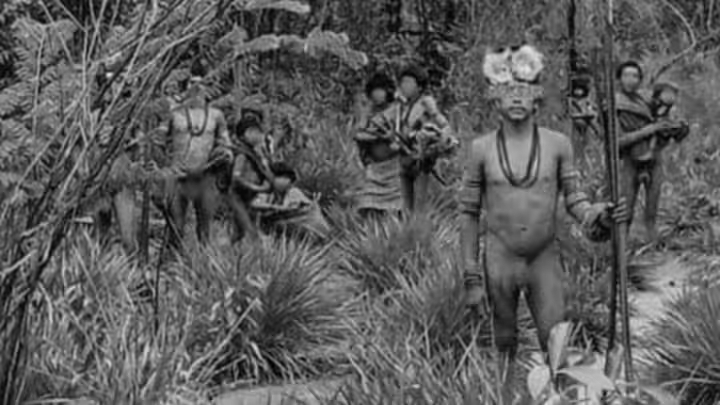
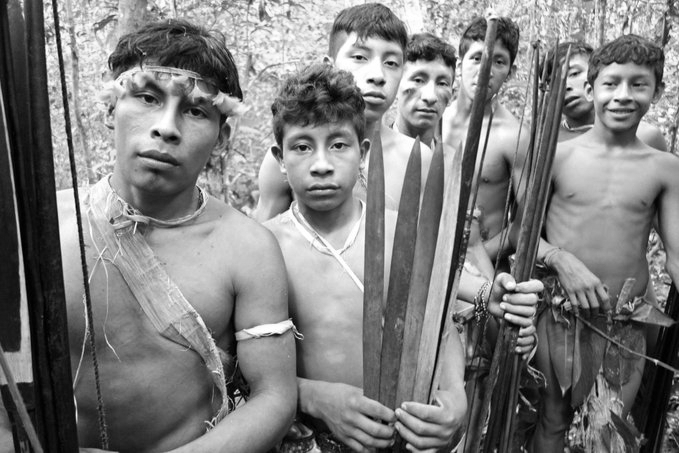
The UK-based Indigenous rights organisation Survival International released rare images of the encounter on Tuesday, describing it as a "historic encounter". The interaction took place on Monday in Arariboia Indigenous Territory, in the northeastern state of Maranhão, involving around 20 members of the isolated Awá community. According to the organisation, no similar interaction involving the group had been reported in recent decades.
"They asked for yams and took them back into their forest," Survival International said. The Awá traditionally depend on hunting and gathering for their survival. The organisation suggested that their request for food could be linked to growing pressure from outsiders entering and destroying their forest habitat.
The Awá are a Tupi-Guarani Indigenous community living in northwestern Maranhão. According to Brazil's Indigenous affairs agency, the National Indigenous Peoples Foundation (Funai), some members continue to live in voluntary isolation. The village involved in the encounter is within the Arariboia Indigenous Territory, which is also home to the Guajajara community.
Survival International defines uncontacted Indigenous groups as communities that avoid relationships with outsiders and have no permanent contact with them, although they may be aware of the outside world. The organisation said the photographs were released at the request of the Guardians of the Amazon, an Indigenous group campaigning against illegal logging and cattle ranching.
Following the incident, Funai activated a contingency plan for situations involving contact with isolated Indigenous communities. The agency said it was reviewing videos and accounts circulating on social media showing isolated Awá members interacting with a village in the territory. The measures are intended to minimise health risks to the community.
Funai stressed that the Brazilian government was not seeking contact with the Awá and that its non-contact policy remained unchanged. Unplanned encounters can expose isolated communities to infectious diseases against which they may have little or no immunity, creating serious risks to their survival.
Survival International warned that illegal logging, hunting and cattle ranching were pushing the Awá into an increasingly smaller stretch of rainforest. Its director, Caroline Pearce, said the community was under extreme pressure as intruders encroached from all sides, leaving it surrounded by destruction.
Across the Amazon, the world's largest rainforest, isolated Indigenous communities face growing threats from illegal mining, logging and cattle ranching. Survival International has identified 196 uncontacted Indigenous groups across 10 countries in South America, Asia and the Pacific. Nearly 95 per cent are believed to be in the Amazon, including 124 in Brazil.
Meanwhile, Maranhão's Indigenous people's organisation Coapima called for caution, saying the encounter underlined the need for responsible authorities to act carefully. It warned that unplanned contact could expose isolated populations to diseases and other threats to their safety and well-being.