
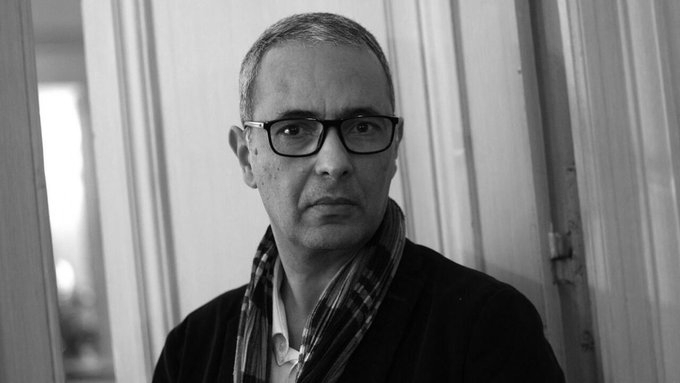
Algeria Sentences Author Kamel Daoud To 3 Years Over Civil War Novel Houris
French-Algerian writer Kamel Daoud said he has been sentenced in Algeria to three years in prison and fined 5 million Algerian dinars (about USD 38,000) over his novel Houris , which won France’s prestigious Prix Goncourt in 2024 .
Daoud, who lives in France, announced on social media that the trial took place on April 7, 2026, and the verdict was delivered on April 21 by a court in the Algerian city of Oran.
The conviction was reportedly based on Algeria’s Charter for Peace and National Reconciliation , a law adopted in 2005 that granted broad amnesty after the country’s civil war but also penalized public references that challenge the official narrative of the conflict.
Houris explores the trauma of survivors of Algeria’s violent 1990s civil war, often called the “Black Decade,” which erupted after the military cancelled elections in 1991 that Islamist parties were poised to win. The conflict between Islamist insurgents and state forces left an estimated 200,000 people dead or missing .
The novel follows a young woman who survives a brutal terrorist attack during the conflict and examines the long-term psychological scars of the violence.
The book has sparked a major legal dispute after Saâda Arbane , a survivor of a massacre during the civil war, accused Daoud of using elements of her life story without permission. Arbane said she had previously shared her experiences during therapy with Aïcha Dahdouh , Daoud’s wife and a trauma psychiatrist at Oran University Hospital.
Arbane has filed legal complaints in both Algeria and France , alleging invasion of privacy and breach of medical confidentiality. Daoud denies the accusations, insisting the novel is a work of fiction inspired by many testimonies from the war.
Algeria has also issued two international arrest warrants against Daoud , and authorities have raised the possibility of stripping him of his Algerian nationality.
Another French-Algerian writer, Boualem Sansal , has faced similar legal pressure in the past before receiving a humanitarian pardon after serving about a year in prison.