
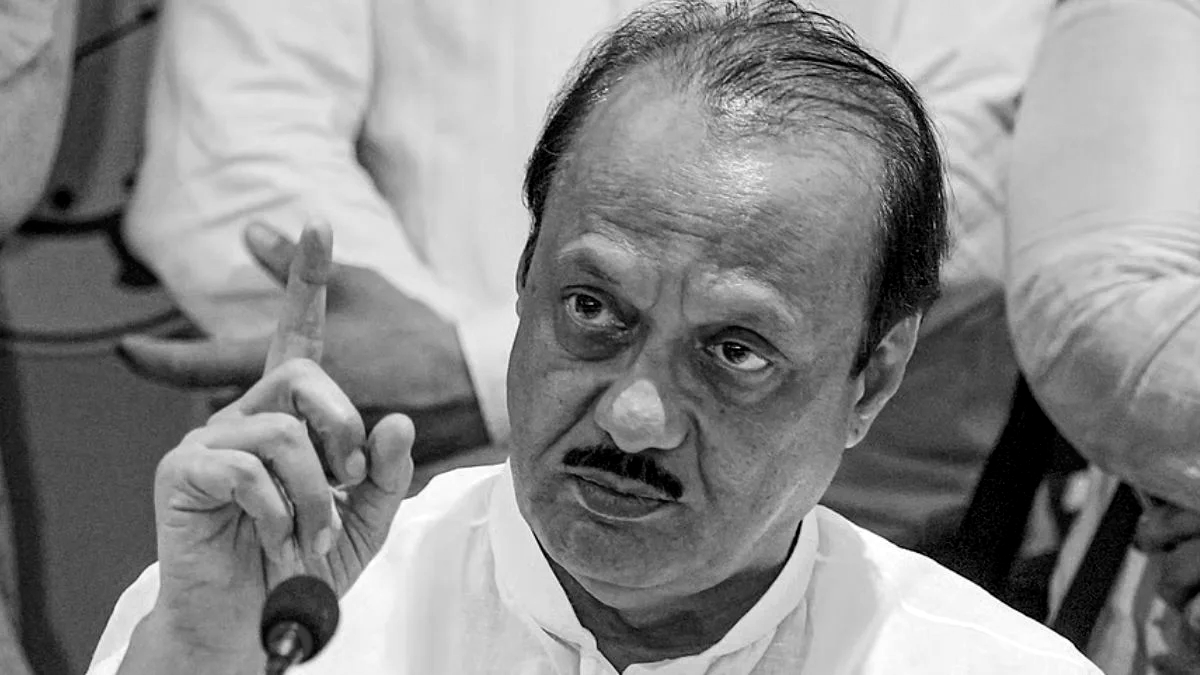
Ajit Pawar says he owes “No debt to anyone” as controversy over fund threat rekindles
Maharashtra Deputy Chief Minister Ajit Pawar on Monday reiterated his defence of the controversial “vote for funds” remark, drawing renewed criticism over what Opposition parties describe as an alarming trend of elected leaders resorting to intimidation during elections.
Addressing a rally in Jintur in Parbhani district ahead of the December 2 local body polls, Pawar responded to the backlash triggered by his earlier statement in Baramati, where he told voters that if they did not support his party’s candidates, he would “reject” them and withhold funds. The comment had ignited a political storm, with critics accusing him of threatening citizens for votes.
“This is again a clarification on the statement he made earlier saying ‘if you don't vote for me, I will cut your funds,’” an Opposition leader said, calling the repeated justification a “dangerous normalisation of coercion” in democratic politics.
Speaking on Monday, Pawar said he is being excessively targeted. “The media is watching me and monitoring my words about the funds. If anything happens, they immediately remember Ajit Pawar,” he said. He stressed that “It has been fully understood that the Model Code of Conduct must not be breached. It has been acknowledged that errors may be made by those who work. However, it has been reminded that numerous allegations have been faced over the past 35 years, but no debt is owed to anybody.”
His remarks have intensified concerns about the growing use of pressure tactics during elections. Many believe that democratically elected leaders resorting to intimidation sets a worrying precedent and raises questions about the standards expected in public life.
Pawar, however, focused on development at the Jintur rally, promising to stand by the people and ensure alternative arrangements for those affected by ongoing projects. He also urged the Election Commission to act impartially, alleging that private groups were visiting voters' homes under the guise of surveys even as the Model Code of Conduct was in force.
“Law should be the same for everyone, and everyone should be treated equally,” he said, adding that central and state schemes must be implemented meaningfully rather than remaining “just for name’s sake.”
The controversy continues to fuel debate over ethical campaigning and the standards expected of public office-holders as Maharashtra moves into another election cycle.