
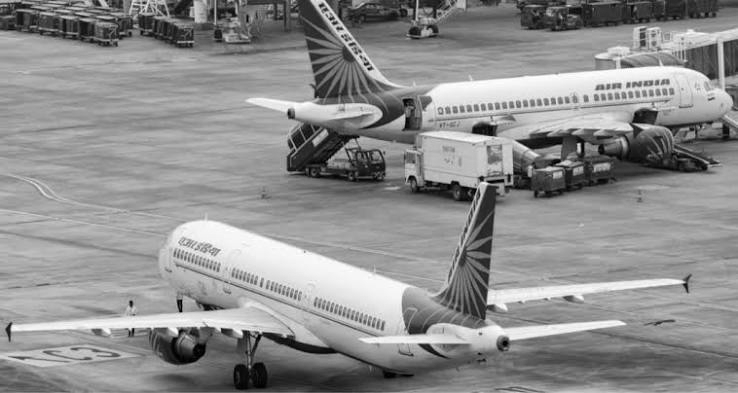
Air India’s Airspace Woes Deepen as Middle East Conflict Pushes Up Fuel and Operating Costs
Air India is facing mounting operational costs as airspace restrictions linked to the escalating Middle East conflict force its aircraft to take longer routes, with the impact now worse than last year, a senior airline executive said on Monday.
The Tata Group-owned airline is dealing with multiple disruptions, including the continued closure of Pakistani airspace to Indian carriers and restrictions affecting flights across parts of the Gulf region. These developments have complicated long-haul operations, particularly services connecting India with Europe and North America.
“There is a big impact,” the senior executive said, adding that the financial implications were difficult to quantify. The official cited restrictions involving Iran, Saudi Arabia and Kuwait, alongside Pakistan’s airspace closure, as factors increasing the burden on the airline.
As more airspace becomes unavailable, aircraft are forced to take longer, more southerly routes to reach their destinations. This increases flying time and fuel consumption, pushing up operating expenses. Some services may also require stopovers, adding costs such as airport landing charges.
“The more airspaces are closed, the more southwards flights have to go... the more the fuel bill,” the executive said, describing the current impact as worse than last year.
The continuing conflict involving Iran has disrupted aviation activity and airport operations across parts of the Middle East, creating additional challenges for airlines planning international routes.
For Air India, the combination of longer journeys, higher fuel burn and additional airport charges is creating a heavier cost burden. However, the airline’s precise financial losses arising from the restrictions could not be ascertained.
The situation highlights how geopolitical tensions can translate into higher operating costs even when flights continue to run. If restrictions persist, they could further affect airline efficiency, international schedules and operating expenses, particularly on routes that depend on access to Middle Eastern airspace.