
Air India A320 Loses All Three Hydraulic Systems at 36,000 Feet, 24 Injured
An Air India Airbus A320 carrying 145 people suffered a near-simultaneous loss of all three hydraulic systems while cruising at 36,000 feet on a Phuket-Delhi flight on August 4, causing an autopilot disconnect, a brief stall warning and an altitude upset that injured 24 people, according to a preliminary report by the Aircraft Accident Investigation Bureau (AAIB).
Flight AI 2379, operated by an Airbus A320-251N registered VT-EXO, was carrying 137 passengers, including three infants, six cabin crew and two pilots. The aircraft was instructed to climb to 36,000 feet after entering the Kolkata Flight Information Region.
At 04:02:43 UTC, the aircraft detected low pressure in its green hydraulic system. Within four seconds, the blue and yellow systems also showed pressure loss. The autopilot disconnected and a continuous warning chime sounded, followed by a stall warning lasting about two seconds. The aircraft briefly gained around 372 feet before losing approximately 292 feet from its assigned altitude. The hydraulic systems recovered within seconds, allowing flight-control surfaces to return to normal. The crew decided to continue to Delhi rather than divert.
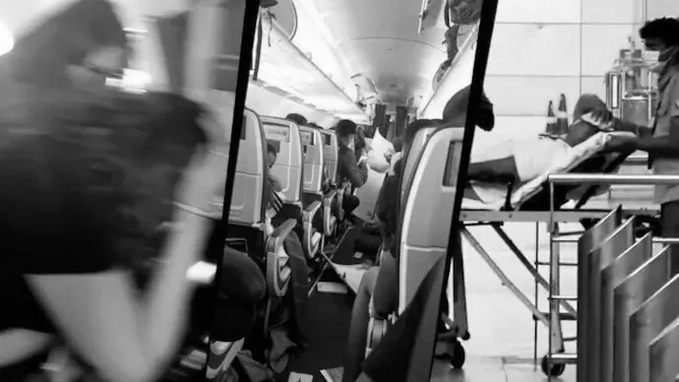
The aircraft landed safely at Delhi's Indira Gandhi International Airport, where medical teams treated 20 passengers and four crew members. Four people with serious injuries were hospitalised, while the remaining 20 were discharged after treatment. Investigators found extensive cabin damage, including cracked ceiling panels, dislodged overhead bins, broken handrails and a damaged emergency-exit handle.
The AAIB is examining the aircraft's maintenance history, including an existing MEL item involving the Power Transfer Unit (PTU). Hydraulic components and fluid samples have been sent for further analysis, while cockpit voice and flight-data recorders are also being examined. Separately, the pilot-in-command tested non-negative for a psychoactive substance in a confirmatory test after landing. The co-pilot tested negative. The AAIB said it had not established any link between the drug finding and the hydraulic failure or altitude upset, but recommended urgent action by the DGCA to prevent abuse of psychoactive substances.
The investigation remains ongoing, and the preliminary findings are subject to change. Air India said it is fully cooperating and has begun voluntary drug testing of all its pilots.