
AIADMK’s Free Refrigerator Plan Keeps Voters Cool as Debate Heats Up
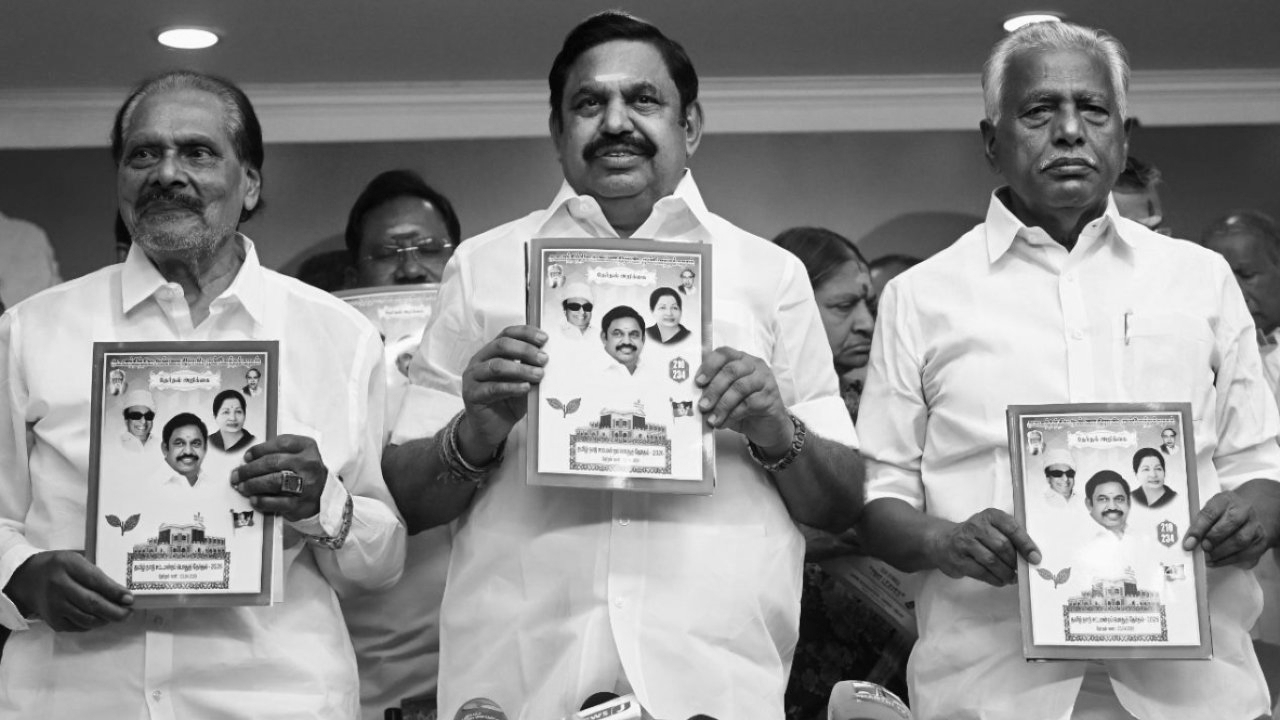
In a bold electoral pitch ahead of the 2026 Tamil Nadu Assembly elections , AIADMK leader Edappadi K Palaniswami has promised free refrigerators for rice ration cardholders , marking a strategic return to the party’s welfare-driven politics .
Announced as part of a broader election manifesto , the scheme is aimed at reducing household burden , particularly for women managing daily food storage and cooking. Alongside this, the party has promised free distribution of one kilogram of dal and one litre of cooking oil , reinforcing its focus on easing essential expenses for economically weaker sections.
The proposal is widely seen as an attempt to revive the political legacy of former Chief Minister J Jayalalithaa , under whom AIADMK pioneered consumer-centric welfare schemes . Her landmark 2011 election promises including free mixies, grinders, and fans not only translated into electoral success but also reshaped welfare politics in the state. The rollout of those schemes, notably launched on C N Annadurai’s birth anniversary , cemented a model where tangible household benefits became a key electoral tool.
AIADMK’s latest announcement also reflects the broader Dravidian political tradition , where successive governments have competed through welfare-driven policies , including free televisions, laptops, subsidised food, and transport schemes . By reintroducing such benefits in a modern context, the party is attempting to reconnect with its core voter base , particularly women, rural households, and low-income families .
However, the move comes amid intensifying competitive populism , with rival parties especially the ruling DMK also focusing on cash transfers, subsidies, and social welfare programs . This has transformed Tamil Nadu’s political landscape into a benefit-driven battleground , where electoral success is increasingly tied to direct economic support for voters .
At the same time, the promise has reignited debates around fiscal sustainability . Critics argue that large-scale welfare schemes could strain state finances and divert resources from long-term development sectors such as infrastructure and healthcare. Supporters, however, maintain that such initiatives serve as social safety nets , enhancing living standards, consumption, and women’s empowerment in a state known for its strong welfare orientation.
With elections approaching, AIADMK’s strategy appears to blend nostalgia and necessity reviving a successful welfare blueprint while adapting it to present-day economic realities. Whether this approach will translate into electoral gains remains to be seen, but it has undeniably set the tone for a high-stakes political contest in Tamil Nadu.