
AI to Nuclear Power: Manohar Lal Highlights India’s Rising Energy Needs and Expansion Plans
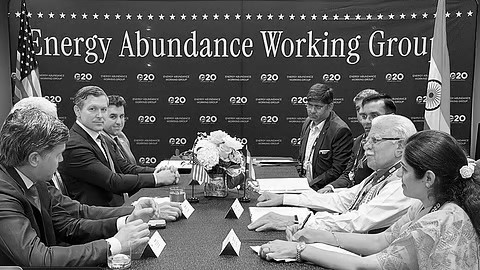
Power Minister Manohar Lal met US Energy Secretary Chris Wright in Houston on Tuesday on the sidelines of the G20 Energy Abundance Ministerial, where the two discussed India’s nuclear energy expansion roadmap and electricity infrastructure requirements for emerging sectors.
During the meeting, Lal and Wright discussed the power infrastructure needed for areas such as artificial intelligence, high-performance computing and data centres. They also discussed strengthening cooperation in clean energy, resilient energy infrastructure and emerging technologies.
The meeting came as US companies have shown interest in investing in India’s nuclear energy sector. India has set a target of achieving 100 GW of nuclear power capacity by 2047. The country last year enacted the Sustainable Harnessing and Advancement of Nuclear Energy for Transforming India (SHANTI) Act, which opens the nuclear sector to private participation under a regulated framework.
At the G20 ministerial, Lal highlighted India’s 552 GW installed power capacity and said the non-fossil share had crossed 50 per cent. He also referred to developments in solar power, energy storage, nuclear energy and clean cooking as part of the country’s energy system.
Lal said India was pursuing technology-neutral and inclusive energy pathways and highlighted international initiatives such as the International Solar Alliance (ISA), One Sun One World One Grid (OSOWOG) and the Global Biofuels Alliance.
Under the ministerial’s “Permitting and Regulatory Efficiency” pillar, Lal outlined measures to streamline infrastructure approvals and improve regulatory predictability. He cited the National Single Window System, PARIVESH and PM Gati Shakti in this context.
He said efficient permitting was important for timely infrastructure development and called for greater G20 cooperation in capacity building and regulatory modernisation.
Lal also highlighted India’s energy security efforts amid disruptions to traditional fuel supplies. India has increased purchases of LPG and LNG from the US as the conflict in West Asia has affected supplies from traditional Gulf sources, according to Kpler data.
The ministerial discussions covered India’s efforts to expand clean energy, nuclear power, storage and energy infrastructure while addressing growing electricity requirements from new technologies and industries.