
AI Showing Inherent Bias Against Poor, Could Deepen Inequality: CJI Surya Kant
Chief Justice of India Surya Kant on Wednesday warned that rapidly expanding artificial intelligence systems are showing signs of inherent bias against the poor , cautioning that unchecked technology could deepen inequality and social exclusion if not guided by constitutional values and human sensitivity.
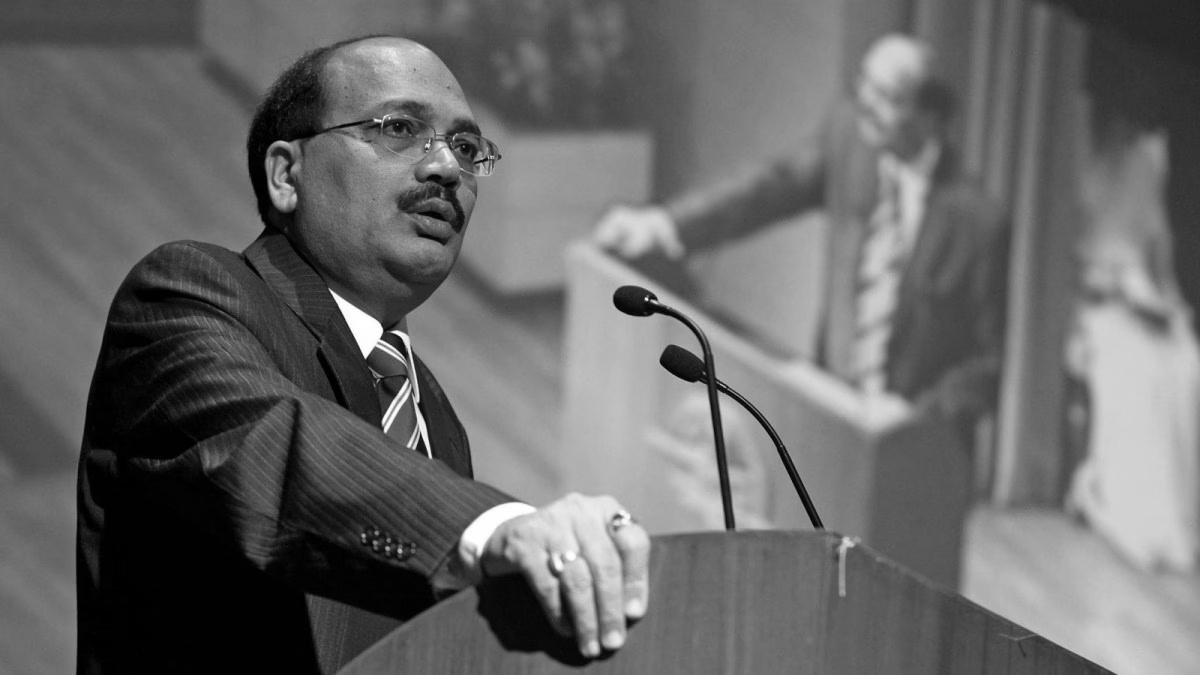
Speaking at the 8th Dinkar Memorial Lecture on “Rashmirathi: The Epic of Social Justice”, organised by NGO Respect India, the CJI said social justice , equality and human dignity must remain central to a democratic and humane society.
Justice Kant said the ideals of equality and dignity had been reflected in the writings of celebrated Hindi poet Ramdhari Singh Dinkar long before they were incorporated into the Constitution. Referring to AI, he said reports increasingly suggest technology-driven systems can discriminate, particularly against economically weaker sections.
Global studies and policy debates in recent years have raised concerns over “algorithmic bias”, where AI systems trained on unequal or flawed historical data produce discriminatory outcomes in areas such as hiring, lending, policing and welfare distribution. Researchers have also flagged cases where facial-recognition tools and automated decision-making systems showed poorer accuracy for underrepresented communities.
The CJI stressed that while AI may assist institutions, including the judiciary, it cannot replace human judges because machines cannot fully understand ethical, moral and social complexities involved in delivering justice. He said technology must operate within constitutional principles and fairness.
Addressing the gathering in Hindi, Justice Kant recalled reading writers such as Munshi Premchand, Suryakant Tripathi Nirala, Harivansh Rai Bachchan and Mahadevi Varma during his childhood. Their works, he said, provided emotional healing during the freedom struggle while inspiring social awakening.
The CJI also welcomed the Centre’s reported decision to increase the Supreme Court’s sanctioned strength from 34 judges to 38, saying additional judges would help clear pending Constitution Bench matters faster.