
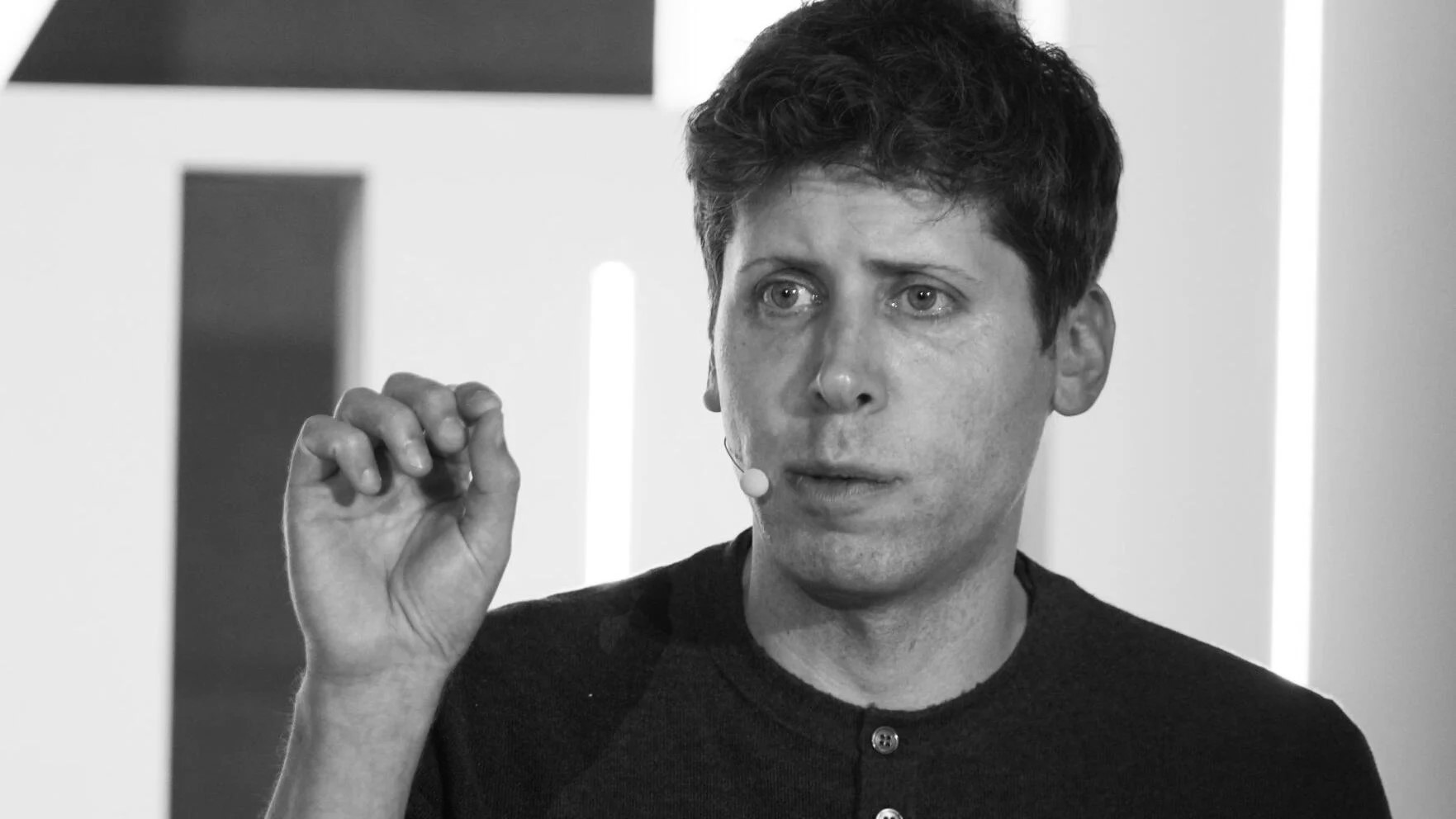
AI Rivals Find Common Ground on Safety, But Slowing Development Won’t Be Easy
Leading artificial intelligence companies have recently found common ground on the need to slow the pace of AI development, but domestic and global competition, commercial interests and government policy could complicate efforts to coordinate such measures.
Anthropic CEO Dario Amodei, OpenAI CEO Sam Altman, SpaceXAI CEO Elon Musk and other industry leaders have spoken about the need to moderate AI development following concerns over the technology’s potential risks.
Amodei has proposed several measures for slowing advanced AI development. One proposal calls for companies developing frontier AI systems to provide independent outside evaluators with ongoing access to their facilities and safety practices. Anthropic has said it is adopting the measure, while Altman has called it a good idea and said OpenAI would follow suit.
Altman has also said he supports a federal framework establishing safety standards for advanced AI.
Amodei’s proposals include cooperation among frontier AI companies, with support from governments, to establish common safety standards and limits on unchecked AI development. He has also suggested agreements to ban certain narrow and dangerous uses of AI, including applications that could facilitate the production of biological weapons.
More difficult measures could include agreements for pre-release testing of AI models for risks such as cybersecurity and biological threats. Amodei has also proposed limits on AI systems capable of recursive self-improvement and, at the most difficult level, a broader slowdown or pause in AI development.
Experts have raised questions about whether such measures can be implemented across companies and countries. Sandra Wachter, professor of technology and regulation at the Oxford Internet Institute, said a slowdown would require substantial cooperation between companies and governments.
There are also concerns about the independence of external evaluators and how safety standards would be established. Aidan Gomez, co-founder and CEO of Cohere, questioned proposals that could give major AI laboratories greater influence over rules.
The US-China technology competition is another challenge. The Trump administration has favoured a light-touch approach to AI regulation while seeking to maintain US technological advantage over China.
The proposals have therefore opened discussion on common AI safety measures, but significant questions remain over their coordination and implementation.