
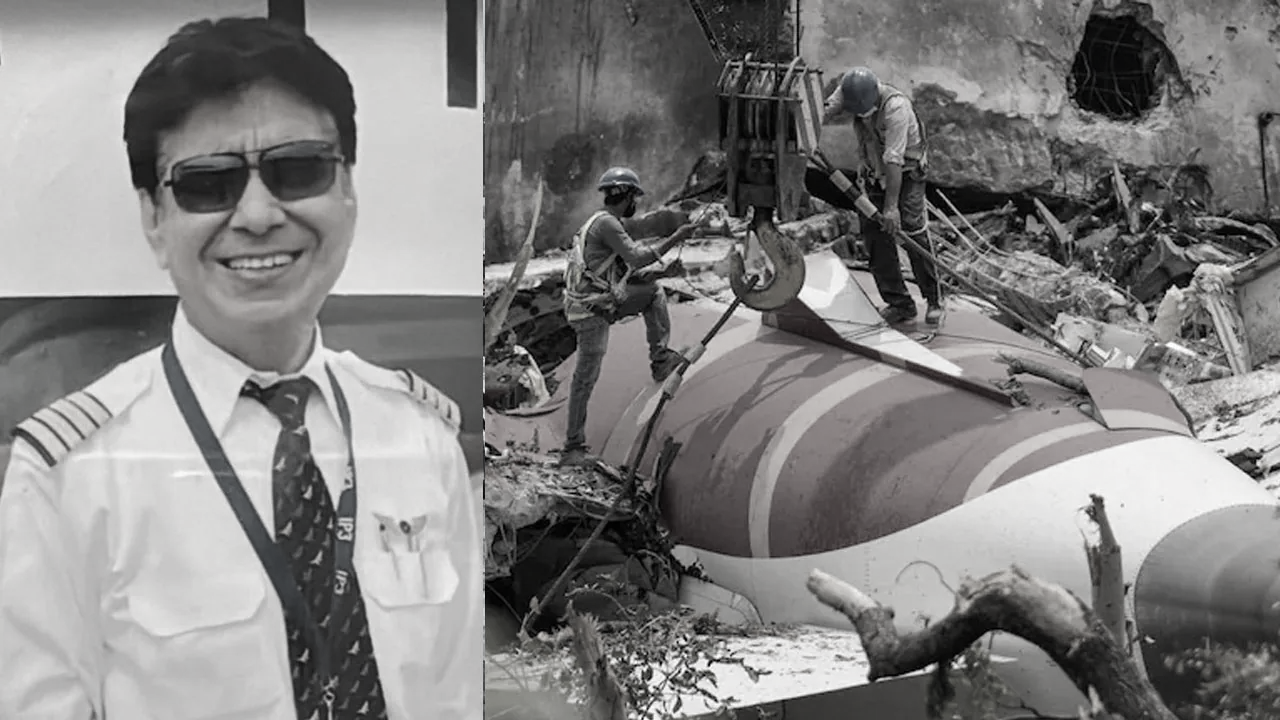
AI plane crash: Family questions preliminary findings
The tragic Air India crash near Ahmedabad, which claimed 260 lives on June 12, continues to raise questions as the family of one of the pilots calls for a deeper investigation. Captain Sumeet Sabharwal, an experienced pilot, was among the crew on the ill-fated Boeing 787-8 operating flight AI171 to London Gatwick. His father, Pushkaraj Sabharwal, has now urged the central government to launch a formal inquiry, citing concerns that the preliminary findings of the Aircraft Accident Investigation Bureau (AAIB) have unfairly tarnished his son’s reputation.
The preliminary report, released in July, suggested a sudden fuel cut-off in both engines just seconds apart, leading to confusion in the cockpit. Leaks and speculation around the incident also implied that Captain Sabharwal was under psychological pressure, even hinting at suicidal intent. Pushkaraj strongly refuted these claims, pointing out that his son had consistently performed over 100 flights post personal losses and divorce without incident, and had no history of mistakes or fatal errors. The family contends that such insinuations are deeply harmful and violate Captain Sabharwal’s right to reputation.
Rule 12 of the Aircraft (Investigation of Accidents and Incidents) Rules, 2017, allows the central government to order a separate formal probe if it deems the circumstances of an accident warrant deeper scrutiny. Pushkaraj’s call emphasizes the need for a transparent, fact-driven investigation, ensuring that all findings are backed by evidence and free from public speculation.
Experts point out that while preliminary reports are meant to provide early insights, selective leaks and misinterpretation by the media can create misleading narratives. Aviation safety is highly technical, and even experienced professionals can face complex challenges in milliseconds that are often difficult to interpret without full context. The Sabharwal family’s concerns underline the delicate balance between timely information and responsible reporting.
The ongoing discussion also raises larger questions about accountability and safety culture in aviation. While manufacturers and operators are generally exonerated in preliminary findings, families and the public seek clarity, justice, and a sense of closure. Independent formal inquiries can complement AAIB investigations, ensuring that facts are thoroughly examined, reputations protected, and lessons learned for future safety improvements.
In essence, the AI crash tragedy is not just about technical malfunctions; it also highlights human, procedural, and ethical dimensions of aviation safety. A careful, comprehensive investigation that considers all angles,technical, psychological, and systemic,is critical. Only then can the aviation community, regulators, and the public have confidence in the conclusions and in the commitment to prevent such disasters in the future.