
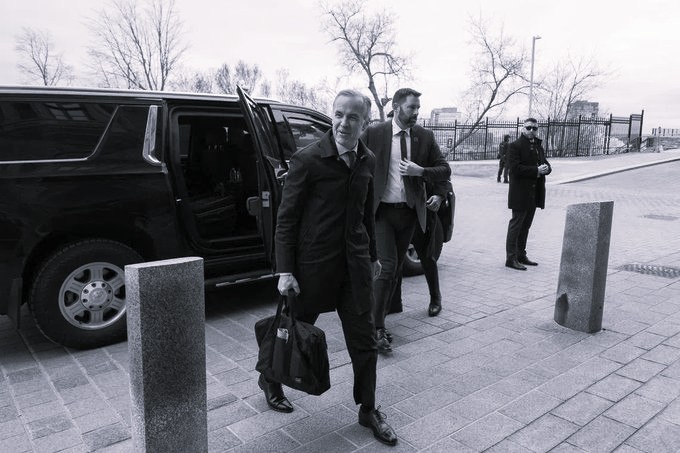
After Majority Victory, Canada’s PM Mark Carney Cuts Fuel Tax to Ease Price Burden
In response to surging global fuel prices triggered by the ongoing Iran War, Canadian Prime Minister Mark Carney has announced a temporary suspension of the federal fuel excise tax. The decision, which will remain in effect until Labour Day, is aimed at easing the burden on consumers and businesses facing rising transportation costs. Calling it a You’re absolutely right using quotation marks along with bold formatting is redundant and visually cluttered. Bold alone is cleaner and more appropriate for newspaper-style writing. Here’s your corrected version:
Calling it a responsible , temporary , and targeted step, Mark Carney emphasized the need for immediate relief without compromising long-term stability . The move follows his party’s strengthened position in the House of Commons, enabling swift decision-making and implementation .
Globally, Canada’s approach reflects a broader trend among governments responding to energy shocks. Countries such as Germany and France have previously introduced tax cuts , subsidies , and other interventions to cushion the impact of rising fuel prices. These measures are often seen as politically popular and economically effective in the short term, offering quick support to households and industries. However, experts caution that such policies may strain public finances and delay the shift toward sustainability and cleaner energy alternatives.
For India, the situation is more complex . Fuel taxes constitute a significant share of government revenue, and any major reduction could impact fiscal balance and public spending priorities. The government led by Narendra Modi has previously implemented excise duty cuts during periods of high global oil prices, demonstrating a flexible approach. However, policymakers may prefer more targeted measures such as sector-specific subsidies or direct benefit transfers to ensure efficiency while maintaining fiscal discipline .
At a broader level, fuel tax cuts involve significant trade-offs . While they provide immediate benefits to consumers, they also reduce government revenues that could be used for infrastructure, welfare, or energy transition initiatives. If high prices persist, such temporary measures may prove insufficient, highlighting the need for long-term reforms and diversified energy strategies.
The move also highlights Mark Carney’s political style, which blends pragmatism with economic strategy . A former governor of the Bank of England and successor to Justin Trudeau, Carney has positioned himself as a centrist leader focused on growth , investment , and global engagement. His calibrated response to the crisis reflects a balance between immediate public concerns and long-term economic planning, reinforcing his image as a leader capable of navigating both domestic pressures and international challenges.