
After 17 Years, Badminton’s Biggest Tournament Is Finally Back In India
The BWF World Championships returned to India on Sunday after a 17-year wait, opening at the upgraded Indira Gandhi Indoor Stadium in New Delhi and bringing the biggest names in badminton to the capital for one of the sport’s most prestigious individual competitions.
India last hosted the World Championships in 2009, and the return of the tournament has generated considerable excitement among players and fans. The 2026 edition features a strong international field, with leading shuttlers from China, Malaysia and several other badminton powerhouses competing for world titles through August 23.
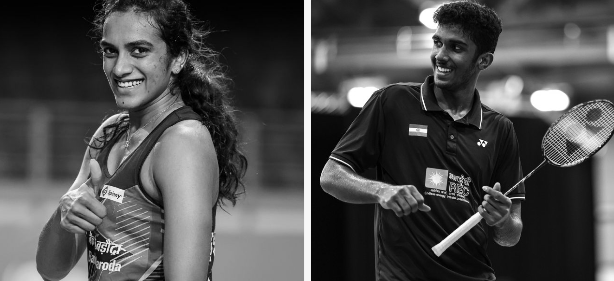
For the host nation, much of the attention will be on PV Sindhu, a two-time Olympic medallist and former world champion, as she spearheads a 10-member Indian contingent. The squad also includes Lakshya Sen, Ayush Shetty, Unnati Hooda and India’s leading doubles combinations.
For teenage sensation Unnati Hooda, the occasion carries an added significance. Making her World Championships debut on home soil, the youngster has expressed her excitement at getting the opportunity to compete in front of an Indian crowd at such a major event.
The opening day also produced an early positive result for India in men’s doubles. Hariharan Amsakarunan and M.R. Arjun advanced after their opponents were forced to retire, giving the hosts an early reason to celebrate.
The tournament’s return has also highlighted the transformation of the Indira Gandhi Indoor Stadium, which has undergone upgrades ahead of the championship. The improved facilities have drawn praise from visiting teams, including the Chinese contingent, which acknowledged the venue’s improvements compared with previous events held there.
With several of the sport’s biggest stars now assembled in New Delhi, the championships promise a week of high-intensity competition, home support and potentially memorable performances.
For Indian badminton, the event represents more than just another tournament. After nearly two decades, the country once again finds itself at the centre of the sport’s biggest individual stage, with Sindhu, Sen, Hooda and a new generation of Indian shuttlers looking to make the most of the home advantage.