
African And Commonwealth Nations Demand Fast Action On High Seas Treaty
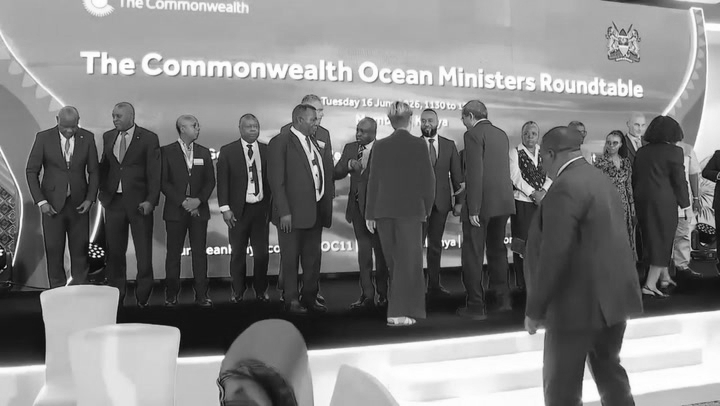
African and Commonwealth nations have intensified calls for swift implementation of the High Seas Treaty at the 11th Our Ocean Conference , warning that global marine protection commitments remain largely unfulfilled despite rising international pledges.
The conference, hosted for the first time in Africa in Mombasa , has brought together governments, scientists, and civil society groups under the theme “Our Ocean, Our Heritage, Our Future” , with discussions focused on translating promises into enforceable action on ocean governance, climate resilience, and biodiversity protection.
Former US Secretary of State John Kerry said the treaty represents a historic breakthrough by establishing a legal framework for protecting marine life in areas beyond national jurisdiction. However, he cautioned that only 10% of the ocean is currently protected , and just 3% is highly or fully protected, with much of it still existing as “lines on a map” rather than effective conservation zones.
The agreement, formally known as the Agreement on Biodiversity Beyond National Jurisdiction , aims to protect 30% of the world’s oceans and land by 2030 , but leaders stressed that ratification must now be matched with implementation and enforcement mechanisms.
Kenyan officials highlighted that the conference has generated over 2,900 voluntary commitments worth USD 169 billion since its inception, but stressed the urgent need to convert pledges into measurable outcomes.
Side sessions also focused on financing marine protection, strengthening regional fisheries management, and combating illegal, unreported and unregulated fishing , which continues to threaten coastal economies.
Africa’s growing leadership role was highlighted, with Gulf of Guinea states advancing plans for sustainable ocean management by 2030, while the Commonwealth, responsible for a significant share of global ocean jurisdiction, was urged to accelerate coordinated action.
As negotiations continue, delegates said the coming months will determine whether the treaty becomes a turning point for ocean protection or another unrealised global commitment.