
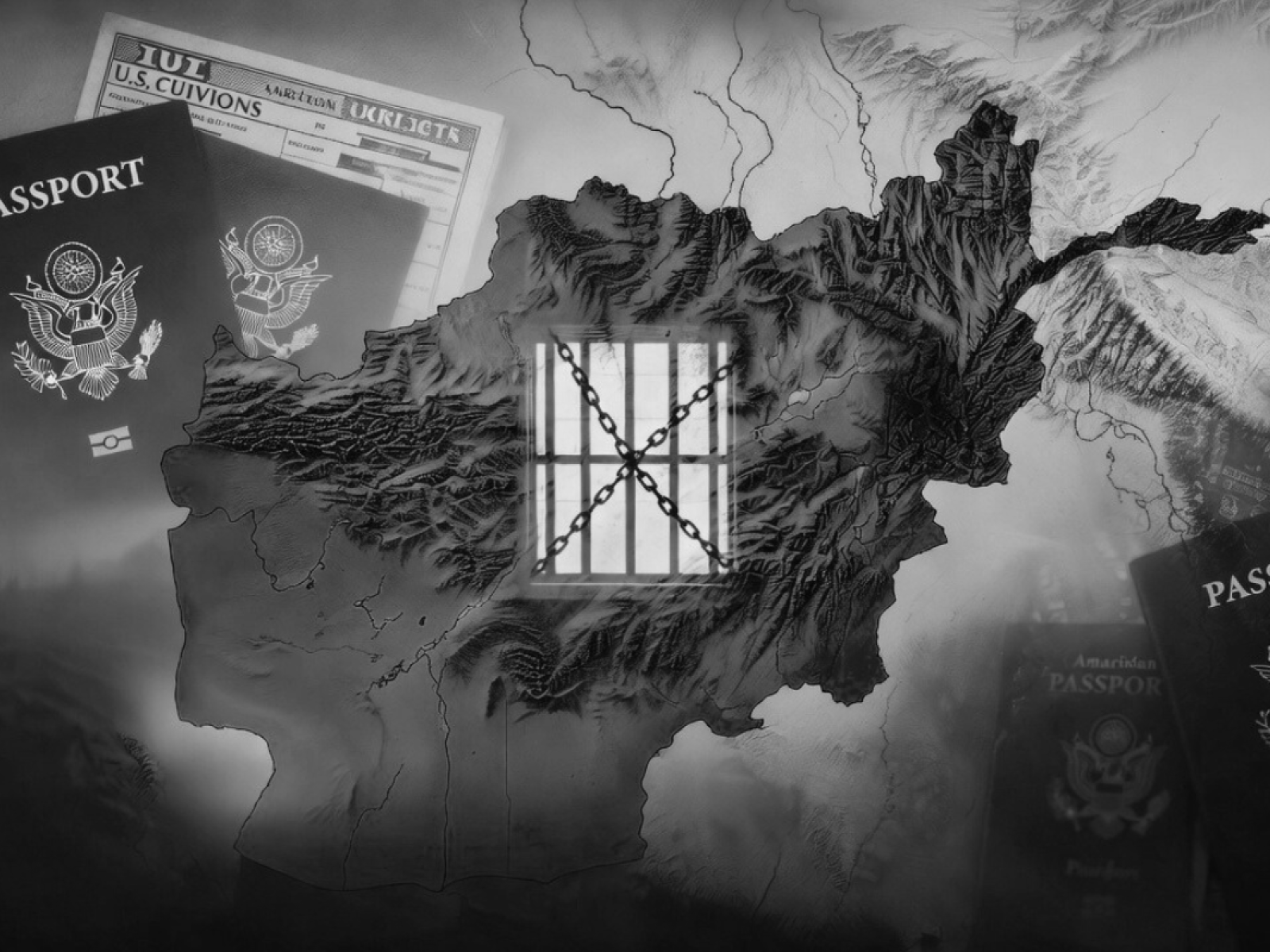
Afghanistan's Taliban government rejects US allegation of ‘hostage diplomacy’
Diplomatic tensions between the United States and Afghanistan’s Taliban government escalated this week after Washington designated Afghanistan a “state sponsor of wrongful detention,” accusing the Taliban of detaining Americans and other foreign nationals to extract political leverage. The move follows a similar designation against Iran and marks the second time Washington has used the measure since its creation under a 2025 executive order.
U.S. Secretary of State Marco Rubio announced the designation on March 9, warning that it is unsafe for Americans to travel to Afghanistan . Rubio accused the Taliban of using “terrorist tactics, kidnapping individuals for ransom or to seek policy concessions” and called for the release of U.S. citizens Dennis Coyle , detained since January 2025, and Mahmood Habibi , who disappeared in 2022. The U.S. State Department has offered $5 million for information leading to Habibi’s return, though the Taliban denies holding him. Rubio also urged the return of the remains of author Paul Overby , missing since 2014.
The designation allows the U.S. to impose sanctions, travel restrictions, and aid limitations , with possible restrictions on U.S. passport travel to Afghanistan. Despite tensions, the Taliban previously released Americans, including Amir Amiri in September 2025, as part of efforts to ease relations with Washington.
The Taliban rejected the U.S. allegations, calling the designation “regrettable” and asserting that no foreign nationals are detained for bargaining or political gain . Afghanistan’s Ministry of Foreign Affairs said arrests are made for alleged legal violations and detainees are often released after legal procedures. Talks facilitated by Qatar reportedly remain constructive, including “goodwill steps” on some detainee cases.
Human rights advocates continue to raise concerns about arbitrary arrests, enforced disappearances, limited consular access, and restricted legal transparency , alongside broader issues under Taliban governance, including restrictions on women and girls. Recent reports also highlighted the sentencing of a woman to prison for “running away from home,” illustrating ongoing human rights challenges.
No confirmed releases of Americans have occurred since the designation, leaving the dispute unresolved. The United States insists on accountability and the release of detainees, while the Taliban maintains its actions are lawful and seeks resolution through diplomatic engagement.