
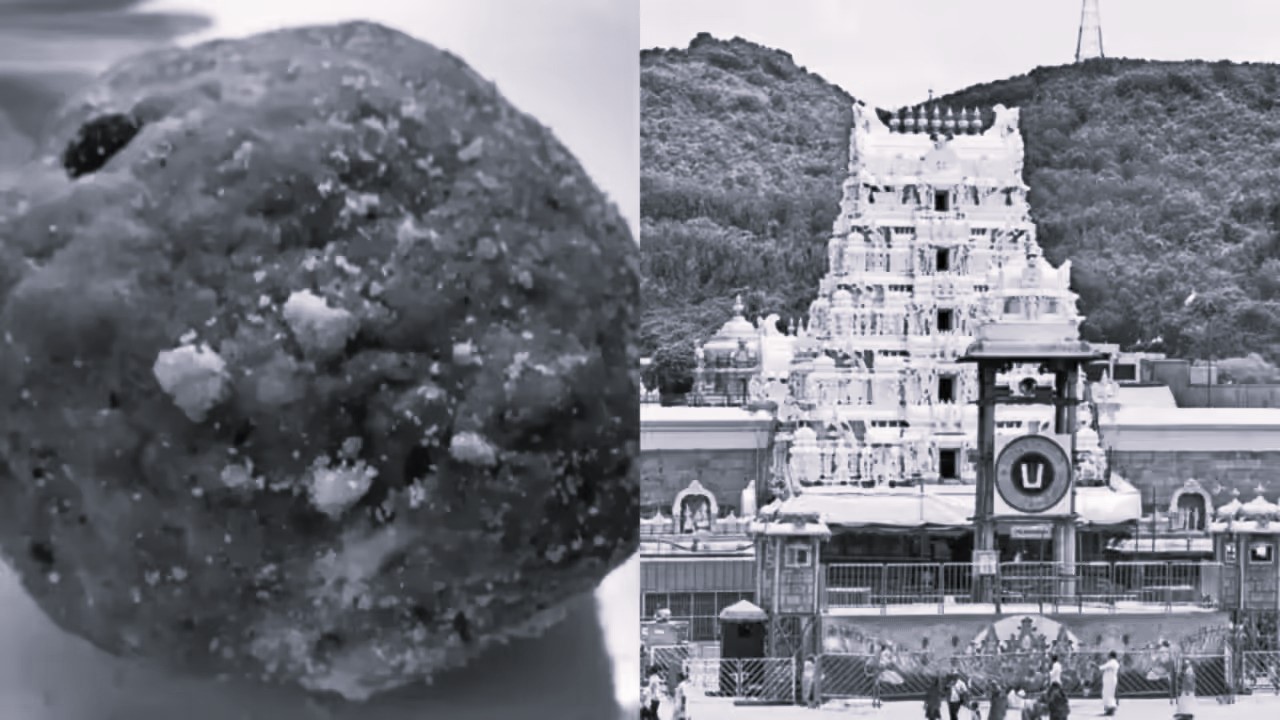
Adulterated ghee used in Tirumala Laddu preparation: CBI probe reveals massive scam
A shocking revelation has emerged from the Central Bureau of Investigation (CBI) inquiry into allegations of adulterated ghee supplied to the world-renowned Tirumala Tirupati Devasthanams (TTD). Investigators found that between 2019 and 2024, a company from Uttarakhand supplied nearly 6.8 million kilograms of fake ghee, defrauding TTD of over ₹250 crore.
Fake production units and chemical adulteration
The investigation identified Bhole Baba Dairy, owned by Pammil Jain and Vipin Jain, as the main culprit behind the scam. The company reportedly produced imitation ghee without purchasing any milk or butter, instead using forged documents and chemical substances like monoglycerides and acetic acid esters - commonly used in food adulteration - to mimic the texture and aroma of pure ghee.
An accomplice, Ajay Kumar Sugandh, admitted to supplying these chemicals.
Blacklisted but continued under proxy companies
Although TTD blacklisted Bhole Baba Dairy in 2022 following quality complaints, the same group allegedly floated proxy firms - such as Vaishnavi Dairy and AR Dairy - to continue supplying adulterated ghee. They reportedly used fake e-way bills and even attempted to rebrand and resupply four rejected ghee tankers under new labels in July 2024.
Lab tests detect animal fat, political storm follows
Forensic and laboratory analyses deepened the controversy, revealing traces of animal fat in the ghee samples used for TTD’s sacred laddu prasadam. Reports by the CBI and FSSAI confirmed the presence of animal-derived substances, while a Gujarat-based lab detected fish oil, beef tallow, and pork fat.
The findings sparked widespread outrage among devotees and triggered a political uproar. Allegations surfaced that ₹50 lakh was transferred to the personal assistant of former TTD chairman Y.V. Subba Reddy. Chief Minister N. Chandrababu Naidu accused the previous YSRCP government of allowing the use of adulterated ghee in the temple’s laddu preparation. Several suspects - including suppliers, chemical dealers, and company executives - have since been arrested by the CBI and SIT.
How the scandal came to light
Between 2019 and 2023, temple workers and devotees began noticing changes in the taste, color, and aroma of the Tirumala laddus. Suspicion grew, leading TTD to send ghee samples for testing, which confirmed palm oil and refined oil mixtures instead of pure ghee.
An initial FIR was filed locally, but as deeper links to multiple suppliers, intermediaries, and tender irregularities surfaced, the case was transferred to the CBI for an impartial nationwide probe.
The “TTD Ghee Scam” has now drawn national attention, raising serious questions about oversight lapses within TTD’s quality control systems and the sanctity of one of India’s most sacred offerings.