
Aditya-L1 mission data access widens with ISRO’s second proposal call
The Indian Space Research Organisation (ISRO) on Thursday issued a fresh call inviting proposals from the Indian solar physics community to access observational data from its landmark Aditya-L1 mission . The move is aimed at enhancing scientific research and maximising the mission’s output.
This marks the second Announcement of Opportunity (AO) released by ISRO for the mission, following an earlier call in January. According to the agency, more than 27 terabytes of data from Aditya-L1 are already available in the public domain, contributing to several peer-reviewed international publications .
ISRO said the latest AO invites proposals from Indian scientists, researchers, and academicians affiliated with recognised institutes, universities, and colleges. Applicants must be actively engaged in solar science research and capable of submitting proposals as principal investigators , supported by strong scientific and technical justification. The approved observation window for this cycle is scheduled between July and September .
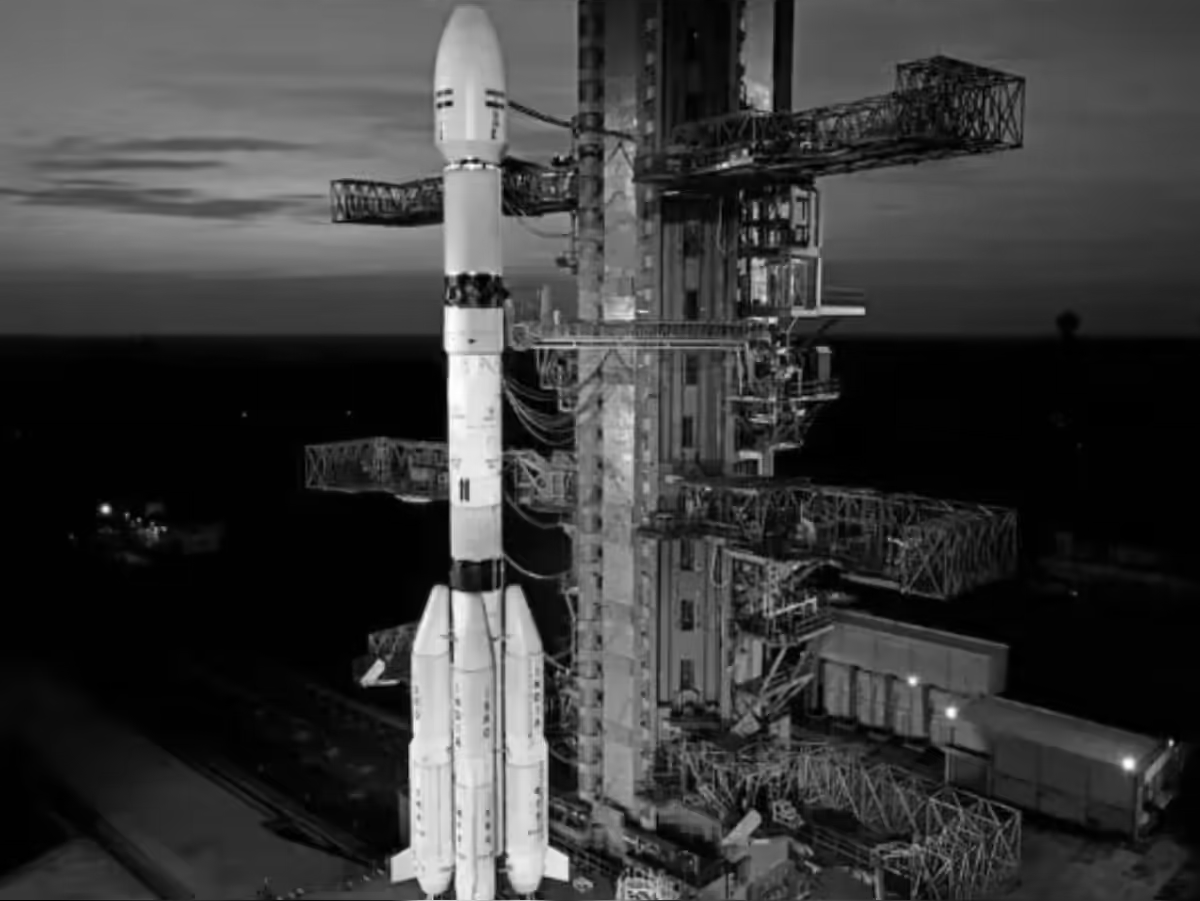
Launched in September 2023 , the Aditya-L1 mission represents India’s first dedicated space-based effort to study the Sun. The spacecraft was successfully placed in a halo orbit around the Lagrangian point L1 in January 2024. Positioned approximately 1.5 million kilometres from Earth , this vantage point allows continuous and uninterrupted observation of the Sun , free from eclipses or occultations.
The mission carries seven scientific payloads , including four remote sensing instruments and three in-situ instruments . While the remote sensing payloads study different layers of the Sun such as the photosphere, chromosphere, and corona using multiple wavelengths, the in-situ instruments measure the surrounding space environment , including solar wind particles and magnetic fields.
ISRO emphasised that expanding access to this data will strengthen India’s solar research ecosystem and encourage deeper scientific exploration of solar dynamics and space weather phenomena.