
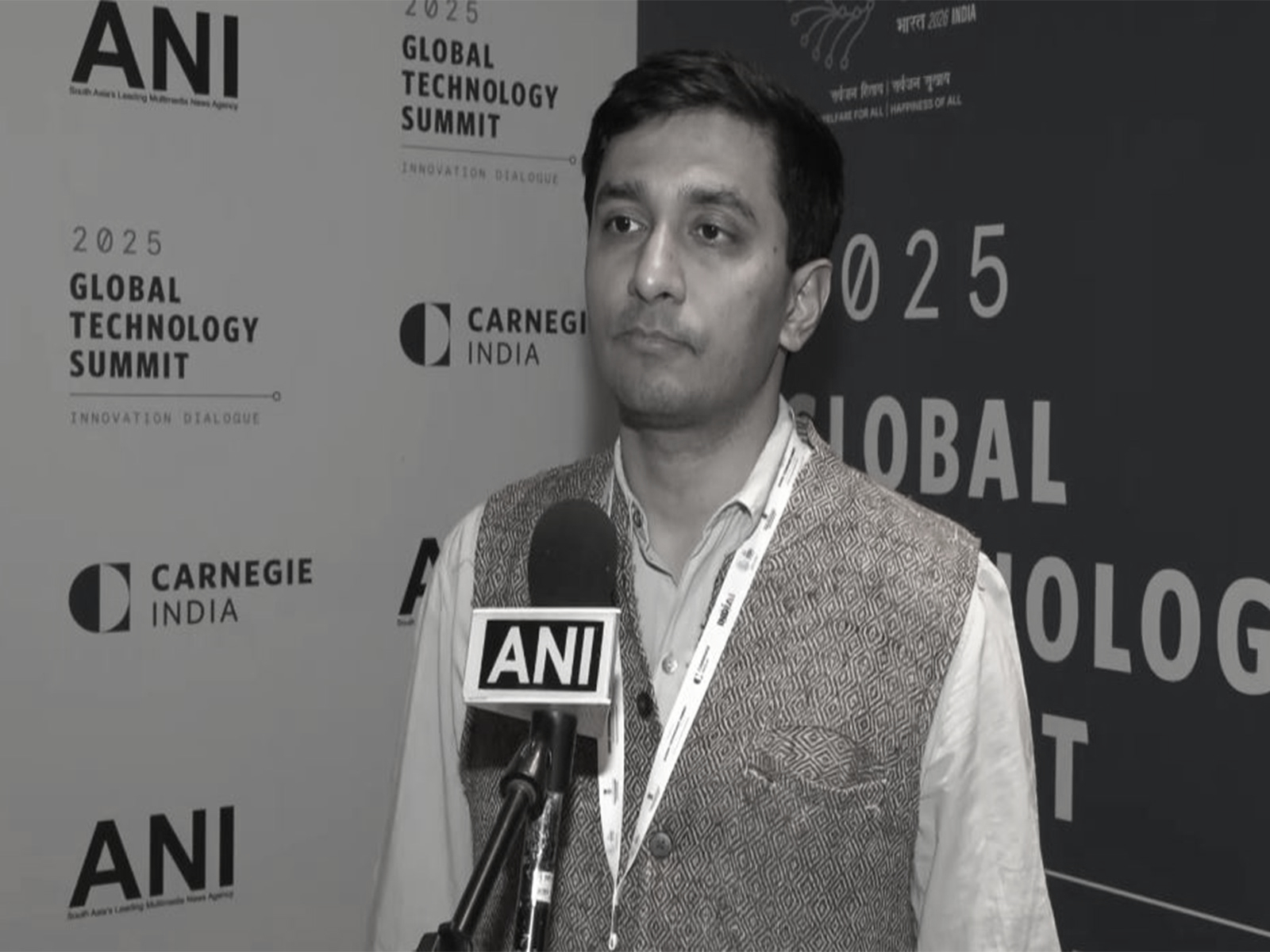
Adalat.ai speeds up India’s courts with AI-powered justice tools
Legal-tech startup Adalat.ai is accelerating efforts to modernise India’s judicial system by deploying artificial intelligence to streamline case-processing across district courts. At the Carnegie Global Technology Summit 2025, Co-founder and CEO Utkarsh Saxena detailed how the company’s AI tools are helping reduce delays rooted in long-standing manual and paper-based procedures.
Saxena noted that although judicial pendency in India arises from multiple systemic issues, outdated clerical workflows continue to consume substantial court time and slow down proceedings. “A major contributing factor is the volume of manual and paper-based processes that clog the system,” he said, adding that Adalat.ai aims to automate such tasks so judges can focus more on decision-making.
A key innovation showcased by the company is its advanced legal speech-to-text transcription system, designed specifically for Indian courts. With many lower courts lacking stenographers, witness examinations and testimonies often take days to record. The multilingual transcription tool, Saxena said, has significantly eased this bottleneck by enabling faster, more accurate documentation. Courts using the tool can now record six to eight Section 164 statements per day, compared to just two earlier.
According to Adalat.ai, AI-driven solutions are helping reduce the mounting case backlog by making court processes faster and more efficient. Automated speech-to-text transcription captures proceedings instantly, boosting the number of statements recorded daily. Faster documentation and reduced clerical workload enhance the overall throughput of courts, enabling them to handle more cases in shorter timelines. Multilingual support minimises translation delays, and automated workflow tools streamline tasks such as data entry, filing and indexing allowing judges and staff to devote more time to core judicial functions.
AI-driven systems can also help curb certain forms of corruption within the judicial process by reducing reliance on manual paperwork, creating transparent digital records and minimising discretionary control over clerical tasks. Faster, automated workflows limit opportunities for deliberate delays, document manipulation or file-handling favours, while time-stamped transcripts and digital audit trails enhance accountability. Although such tools cannot completely eliminate corruption since judicial decisions and investigations still depend on human judgment, they significantly reduce low-level procedural malpractice and strengthen the integrity of day-to-day court operations.
Adalat.ai’s solutions are currently operational in 4,000 courtrooms nearly 20 per cent of all district courts in the country. The company has formal partnerships with nine state governments and is in advanced discussions with five more states to expand deployment.
Saxena also announced that Kerala has issued an official mandate, effective November 1, to integrate Adalat.ai’s technology across its court system, marking a major step in statewide judicial digitisation.