
A Timeless Archive: India’s First Petroglyph Park Comes Up in Ladakh
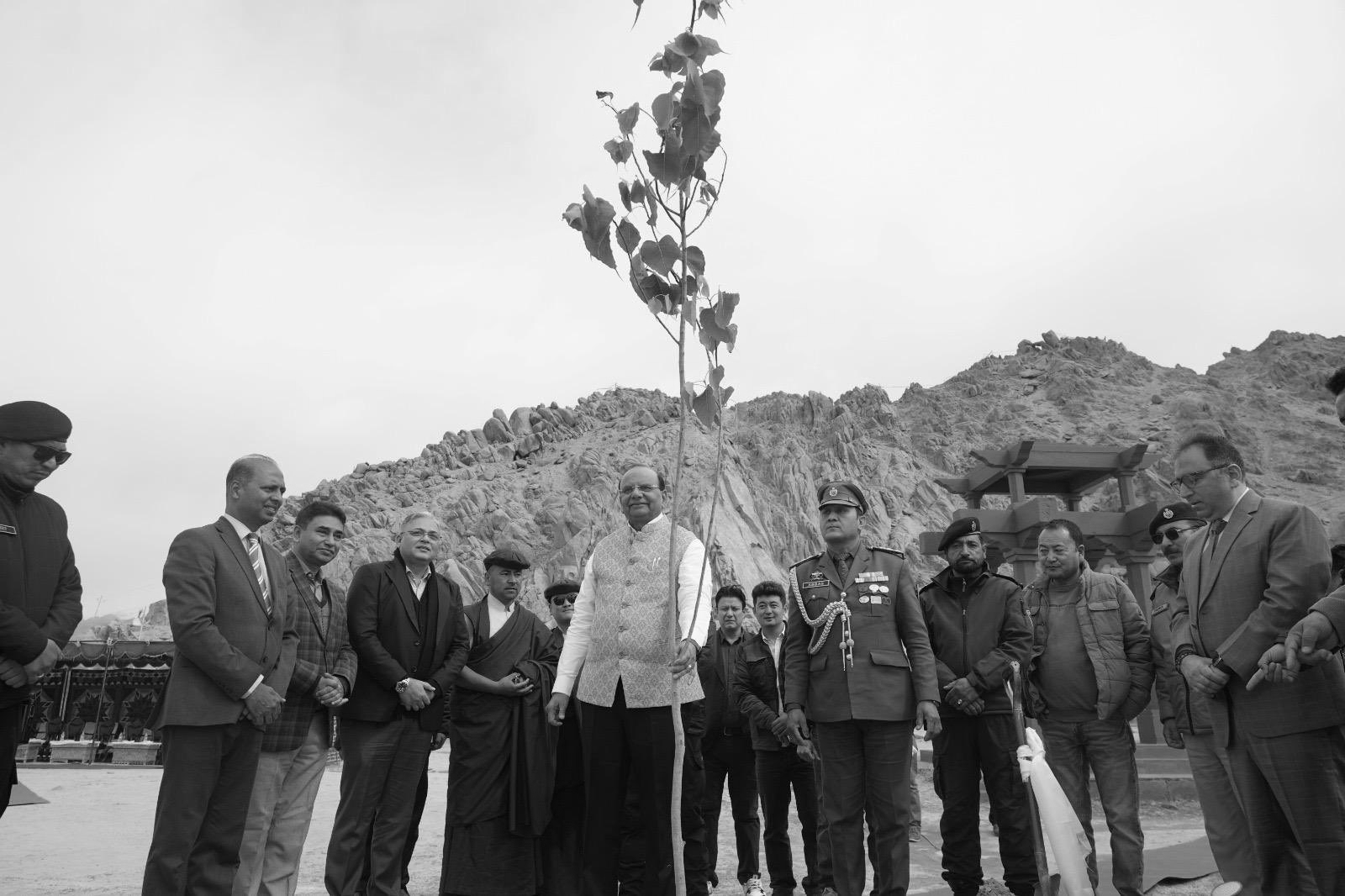
In a landmark move to safeguard India’s ancient cultural legacy, Ladakh is set to host the country’s first Petroglyph Conservation Park , with its foundation stone laid by Lieutenant Governor Vinai Kumar Saxena on the occasion of World Heritage Day . The initiative underscores Ladakh’s importance as one of the richest repositories of prehistoric rock art in South and Central Asia.
Petroglyphs images and symbols etched onto rock surfaces offer rare insights into early human life and thought. Spread across nearly 400 sites in Ladakh , these carvings depict hunting scenes, animals such as ibex and snow leopards , and later, religious symbols including Buddhist stupas and inscriptions . Many also feature scripts in Sanskrit, Arabic, and Chinese , highlighting the region’s historic role as a crossroads of civilizations and trade routes.
However, this invaluable heritage faces mounting risks. A large number of petroglyphs lie along the Indus and Zanskar rivers , where road construction, rock blasting, climate stress, and unregulated tourism have accelerated their deterioration. Isolated carvings, in particular, remain highly vulnerable due to lack of awareness and protection mechanisms.
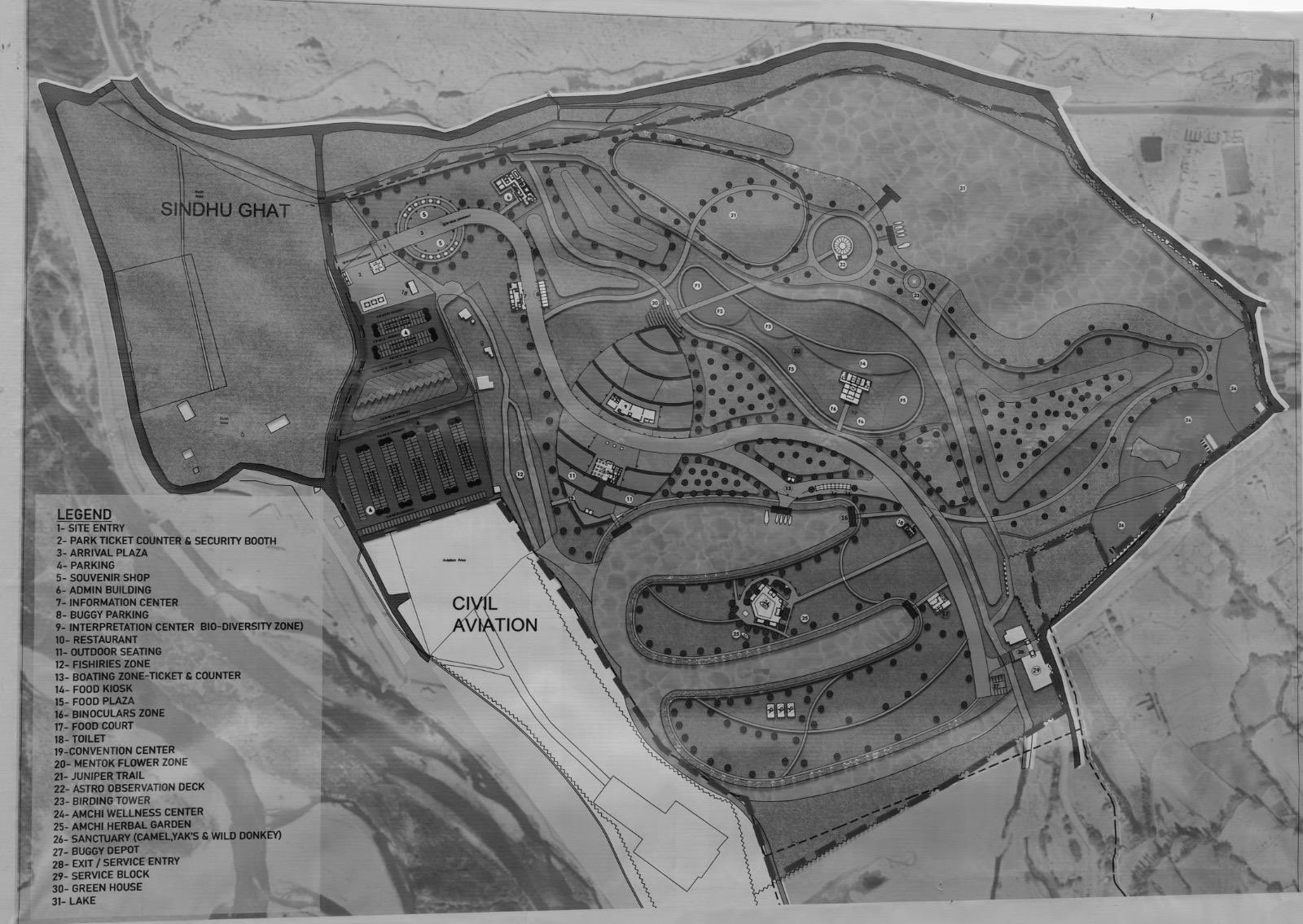
The proposed conservation park seeks to address these challenges by creating a dedicated, scientifically managed space where endangered petroglyphs will be carefully relocated, preserved, and displayed. Designed as both a conservation hub and an educational centre , the park will allow visitors, researchers, and students to engage with these artefacts in a curated environment, reducing pressure on fragile original sites.
The project is being implemented through a collaborative framework involving regional authorities and the Archaeological Survey of India (ASI) , following a formal Memorandum of Understanding to ensure professional conservation practices. Officials describe the initiative as a shift from passive preservation to active heritage management , integrating protection efforts with sustainable development goals.
Beyond conservation, the park is expected to play a key role in promoting responsible tourism . Plans include curated heritage circuits , such as petroglyph and Buddhist trails, aimed at managing tourist flow while bringing attention to lesser-known sites. This approach seeks to balance economic opportunities with long-term preservation.
Experts emphasise that Ladakh’s petroglyphs are more than artistic expressions they are “open-air museums” documenting a continuous human timeline from the Palaeolithic Age to later historic periods . They reveal patterns of migration, trade, belief systems, and ecological history, making them invaluable to archaeological research and historical understanding.
Calling for collective responsibility, the Lieutenant Governor urged local communities, monks, youth, and stakeholders to act as custodians of this heritage. As development accelerates in the Himalayan region, the Petroglyph Conservation Park stands as a timely intervention ensuring that stories etched in stone thousands of years ago endure for generations to come.