
A Protest Against a Protest About a Protest, Only in India!
Maharashtra minister Girish Mahajan found himself face-to-face with an irate woman during a BJP-organised Jan Aakrosh rally in Mumbai's Worli neighbourhood on Tuesday and what unfolded was perhaps the most deliciously layered political irony the city has witnessed in recent memory.
Let's untangle this carefully, because the layers here are genuinely remarkable. The BJP rally was a protest against the opposition. The opposition had protested against a Constitution amendment bill related to women's reservation in legislatures. Except and here's where it gets truly absurd, the bill in question wasn't straightforwardly pro-women at all . On paper, it was tied to delimitation, a redrawing of constituency boundaries that, critics argue, would effectively reduce parliamentary seats across most Indian states, impacting both men and women from virtually everywhere. So the BJP was protesting against a protest that wasn't even about what they thought it was about. A protest against a protest about the wrong protest , if you will.
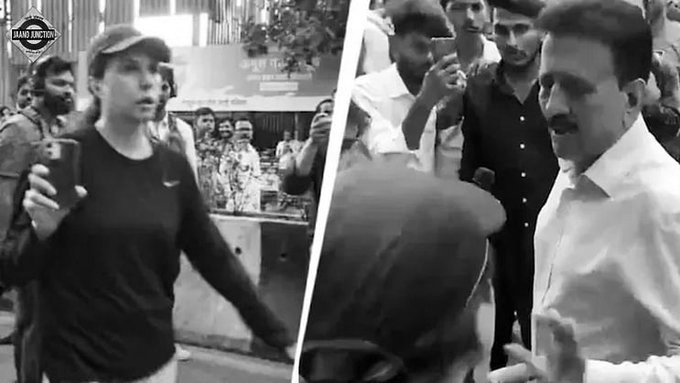
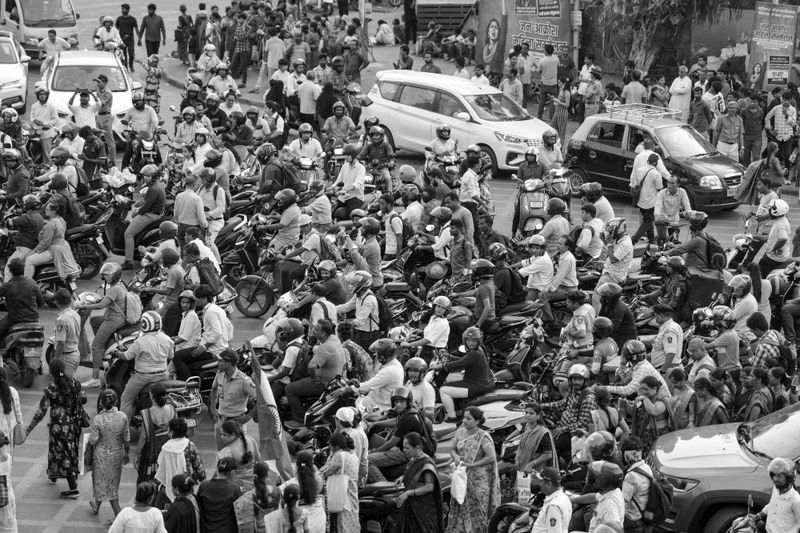
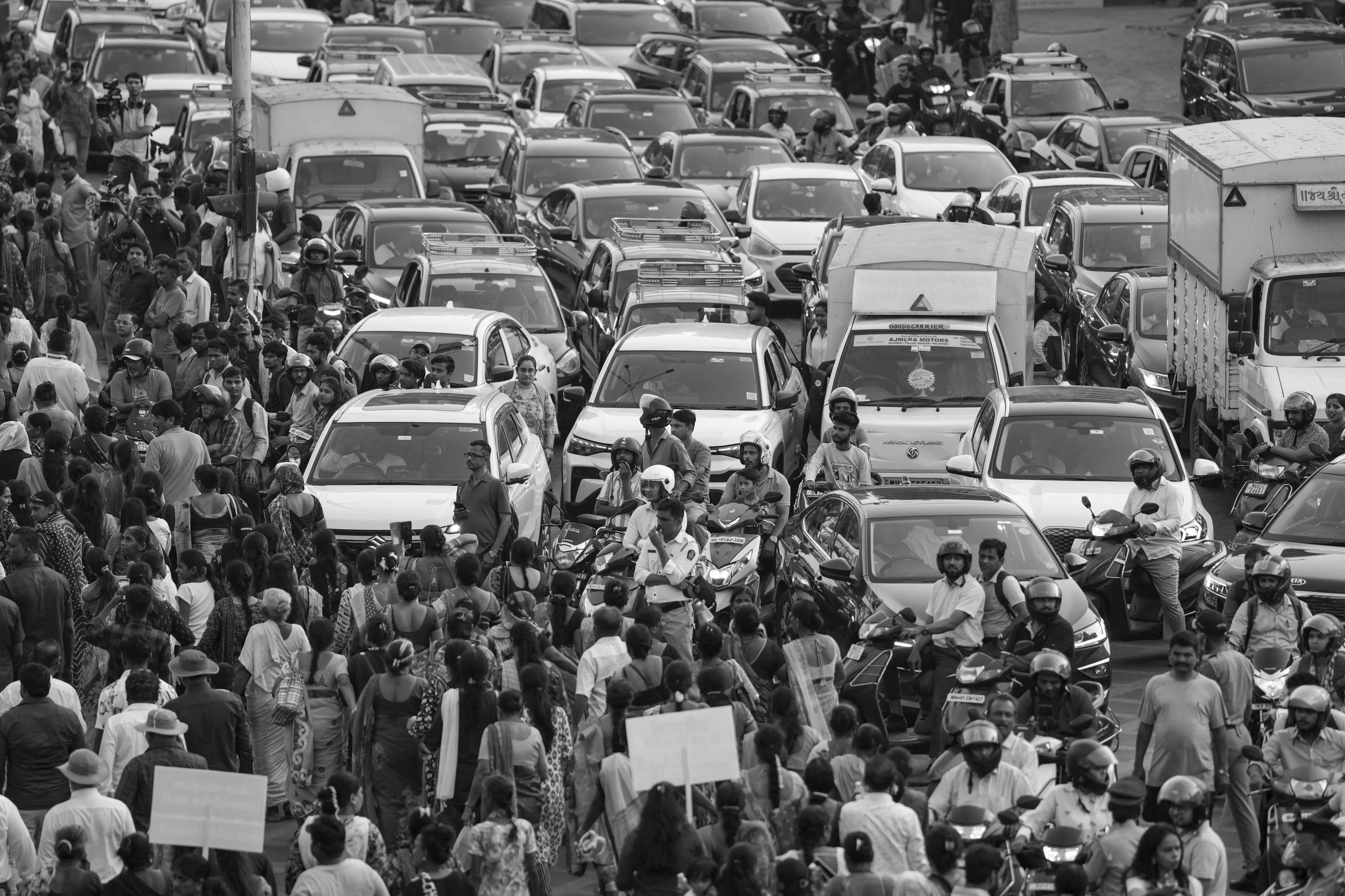
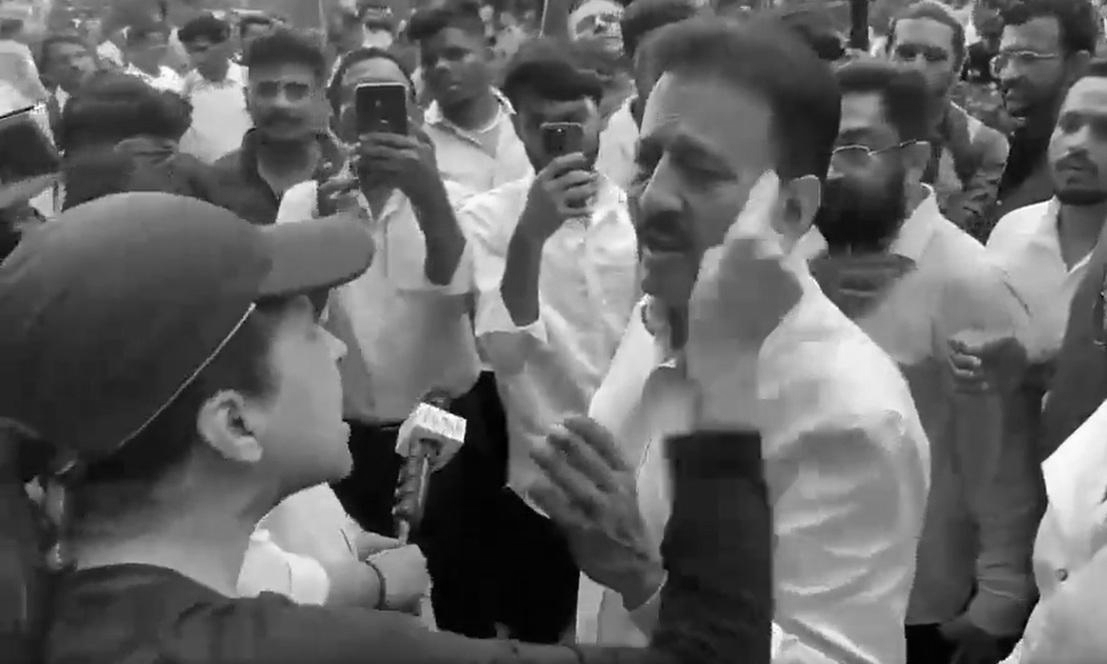
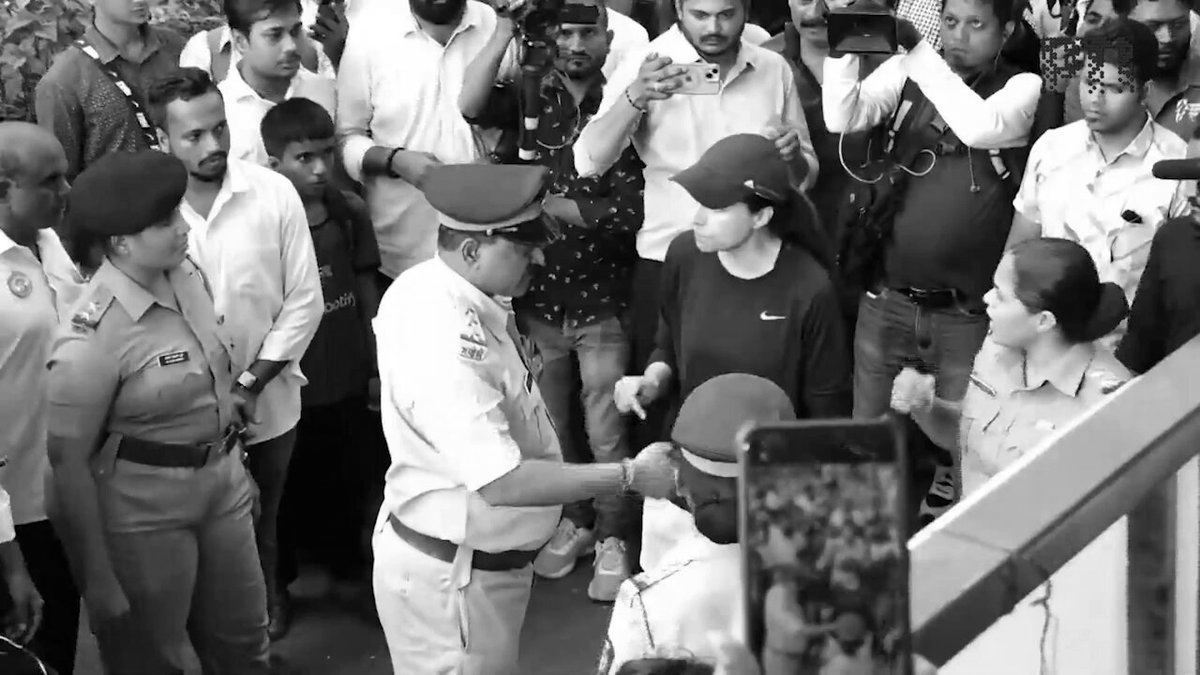
And then came the woman. Stuck in traffic for over an hour, desperately trying to reach her child's school , she stepped out of her vehicle and confronted Mahajan directly, demanding to know why public roads were being paralysed for political theatre. Her protest was clean, direct, and refreshingly honest, she protested against the traffic caused by the protest, which makes her, ironically, the only person in this entire chain who was actually protesting about the precise thing she was protesting about.
"Get out of here. You are causing a traffic jam," she said, words that cut through the noise of the rally and, within hours, through the noise of the entire internet.
The police , ever faithful to the occasion, then gently protested against her protest , ushering her aside with that particular brand of courteous suppression that Indian authorities have perfected over decades. Because apparently, in India, you can block roads to protest, but you cannot protest the blocking of roads.
The video went viral almost instantly, and the political reactions came flooding in. Opposition leaders accused the BJP of hijacking public spaces for partisan optics. Congress leaders called it a snapshot of growing public fury against what they termed "event politics", elaborate, road-swallowing demonstrations that inconvenience the very citizens they claim to represent. Mahajan later offered a personal apology for the disruption, he also mildly took issue with the tone of the confrontation.
But the confrontation revealed something far sharper than political point-scoring. It exposed a widening fault line between the Indian political class and the people they govern.
There is also something worth noting about the crowd at the rally itself. Organised ostensibly in the name of women's empowerment, it drew faces and slogans and banners, but when a real woman stood up and spoke her mind without permission , without backing, and without a party symbol behind her, she was escorted away. It is easy to champion women from a stage. It is evidently harder to handle one when she's standing right in front of you, furious and unscripted. The genuine ones, it turns out, don't need a rally. They handle things themselves.
And that, perhaps, is the deepest irony of all. Across India, citizens are visibly, increasingly fed up with politicians who excel at optics but lag on outcomes , who can mobilise thousands for a demonstration but cannot fix a pothole, clear a traffic route, or ensure a mother reaches her child's school on time. The gap between performative politics and ground-level governance has never felt wider or more insulting to ordinary people juggling ordinary lives.
Mumbai, a city that runs on relentless motion, bore the cost of Tuesday's political theatre in jammed roads, missed appointments, and one woman's erupting frustration. She didn't need a microphone or a manifesto. She just needed to get her child from school.
In the end, if you plan to protest things without expecting to be protested against, perhaps don't become a politician. The streets have a way of reminding even the most powerful that the real constituency is not on the stage, it is stuck in traffic, watching the clock, and running out of patience.