
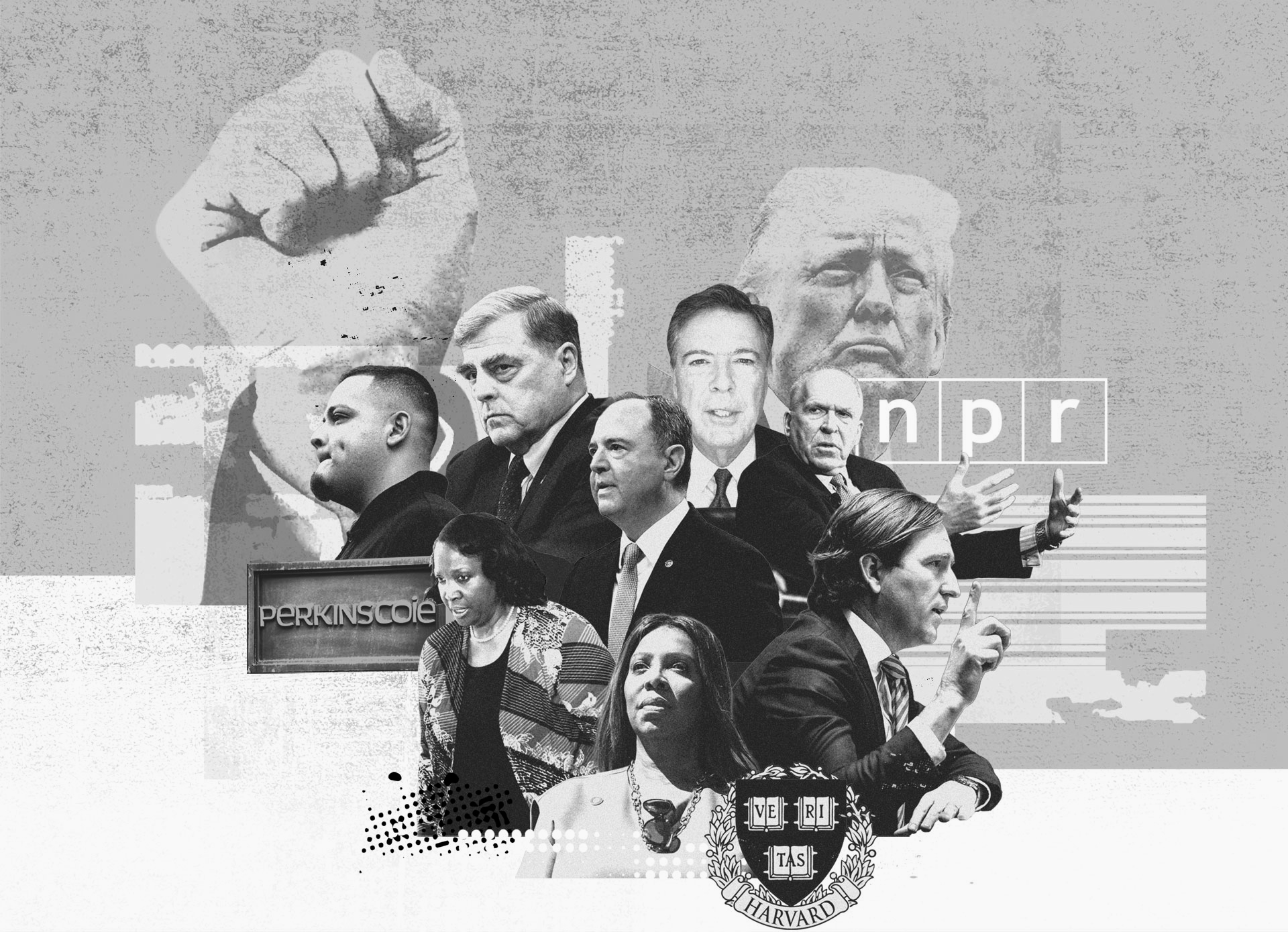
A campaign of retribution unfolds: Over 470 targets placed under Trump-era scrutiny
A sweeping campaign of retribution has been launched under the leadership of former U.S. President Donald J. Trump, and its scope has been documented to have affected at least 470 individuals and institutions. This campaign, initially signaled in a rally declaration that “I am your retribution,” has evolved into an active effort to target perceived political opponents, critics, and organisations across multiple sectors.
The individuals and organisations affected have been subjected to a wide range of actions, including dismissals, investigations, threats, revocation of security clearances, and the freezing of funding. These measures have been interpreted by critics as systematic and coordinated efforts designed to punish those who have opposed or scrutinised Trump or his policies in the past. Supporters of the campaign, however, have described these actions as necessary measures to correct perceived abuses of government power and to enforce accountability.
Among the named individuals and organisations, many civil servants, law enforcement officers, journalists, academics, law firms, and cultural institutions have been directly targeted. Certain federal prosecutors and investigators who were involved in past election-related inquiries have been indicted or otherwise penalised. Government employees at agencies such as the Environmental Protection Agency and the Federal Emergency Management Agency have been forced into early retirements or resignations, while others have been placed under formal investigation for perceived ideological conflicts with the administration.
Media organisations have been subjected to investigations, and some have experienced the revocation of broadcasting privileges or other sanctions in response to critical coverage. Law firms have been pressured through contract restrictions or legal inquiries, particularly those representing clients involved in litigation against the administration. In academia, several universities have been compelled to revise or suspend programs related to diversity, equity, and inclusion under threat of federal funding withdrawal. Cultural and research organisations that have been perceived as aligned with progressive causes have also been affected by program cancellations and funding cuts.
The campaign has unfolded through a combination of punitive actions, threats, and coercion. Dismissals, suspensions, and revocation of clearances have been executed to penalise those deemed adversarial. Public threats and warnings have been issued to instil fear and compel compliance. Institutions and individuals have been coerced into agreements to reverse policies or alter practices under the threat of sanctions or loss of resources.
From the perspective of the administration, these actions are justified as the fulfillment of an electoral mandate and the correction of previous misuse of authority. Public statements have been issued describing the campaign as a form of accountability rather than retaliation. Nevertheless, legal experts, scholars, and civil service veterans have warned that the scale and systematic nature of the campaign have posed a threat to democratic norms, institutional independence, and the balance of powers. Comparisons have been made to historical “enemies lists,” with the distinction that this campaign is conducted openly, at a large scale, and with sustained momentum.
The domestic and international implications of this campaign have been widely discussed. Erosion of institutional checks and balances has been noted, and a chilling effect on dissent has been observed across government, media, and academia. Public discourse has been further polarised, and confidence in American democratic institutions has been challenged. The reputations of U.S. universities, research institutions, and media outlets abroad have been affected, and international collaborations have been disrupted. Observers have warned that the precedents set by this campaign could serve as a model for future leaders seeking to consolidate power.
Legal battles have been initiated by multiple targets, who have challenged the dismissals, sanctions, and coercive agreements in courts. Universities and private firms have been placed in positions of difficult compliance or resistance, and uncertainties regarding the continuation of federal support remain unresolved. Analysts have noted that unless institutional safeguards are reinforced by courts, Congress, or civil society, the campaign may normalise a “payback-first” approach to governance, undermining fundamental democratic principles both domestically and internationally.