
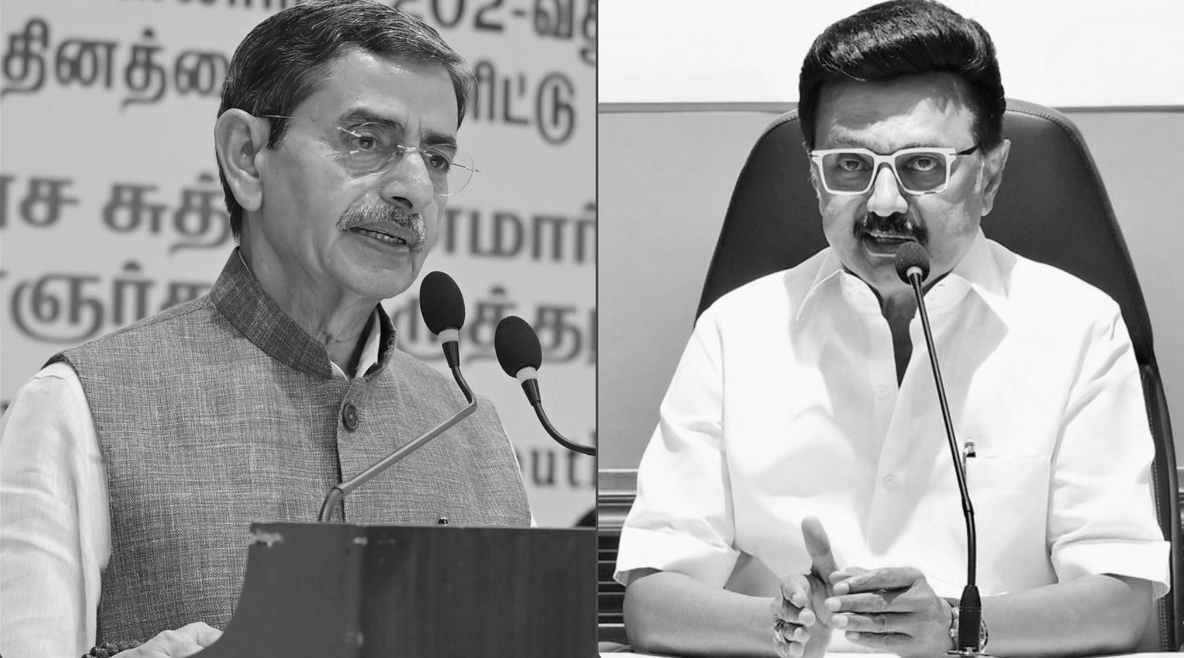
81% of Tamil Nadu Bills cleared, says Raj Bhavan; rejects delay allegations
The Tamil Nadu Raj Bhavan on Saturday dismissed allegations that Governor R.N. Ravi had deliberately delayed assent to Bills passed by the State Legislative Assembly, calling the charges “unfounded” and “factually incorrect.”
In an official statement, the Raj Bhavan said the Governor had cleared 81 per cent of the Bills received from the Assembly, with 95 per cent approved within three months. It added that 13 per cent of the Bills were reserved for the President’s consideration, of which 60 per cent were recommended by the State Government itself. Eight Bills, received in the last week of October, are presently under examination.
The Raj Bhavan clarified that ten Bills were withheld earlier over concerns of compliance with national laws, particularly the University Grants Commission (UGC) regulations, and were subsequently reserved for the President as per constitutional provisions. “The Governor has always acted strictly in accordance with the Constitution and performed his duties with sincerity, transparency, and fairness,” the statement said.
The clarification follows persistent criticism from the Dravida Munnetra Kazhagam‑led State Government, which has accused the R. N. Ravi‑Governor of sitting on several Bills, including those curbing the Governor’s role as Chancellor of state universities. The government alleged that such delays undermine the democratic will of the elected legislature and disrupt governance. The matter reached the Supreme Court of India in the landmark case State of Tamil Nadu vs Governor of Tamil Nadu (decided 8 April 2025), in which the court held that the Governor’s indefinite delay in assenting to Bills was “erroneous and illegal” under Article 200 of the Constitution, and declared that the pending Bills should be deemed assented.
Experts note that such confrontations have become increasingly common across several States, straining Centre–State relations and slowing policy implementation. Prolonged disputes, they argue, weaken federal cooperation and raise questions about the neutrality of the Governor’s office.
Constitutionally, under Articles 200 and 201, a Governor may assent to, withhold, return, or reserve a Bill for the President. However, the Constitution does not specify a time frame for these actions, creating a grey area that often fuels political friction.
Several commissions and jurists have urged reforms to make the process time-bound and transparent. The Sarkaria and Punchhi Commissions both recommended limiting discretionary powers and consulting States in Governor appointments, steps many believe are necessary to depoliticise the office and strengthen India’s cooperative federalism.