
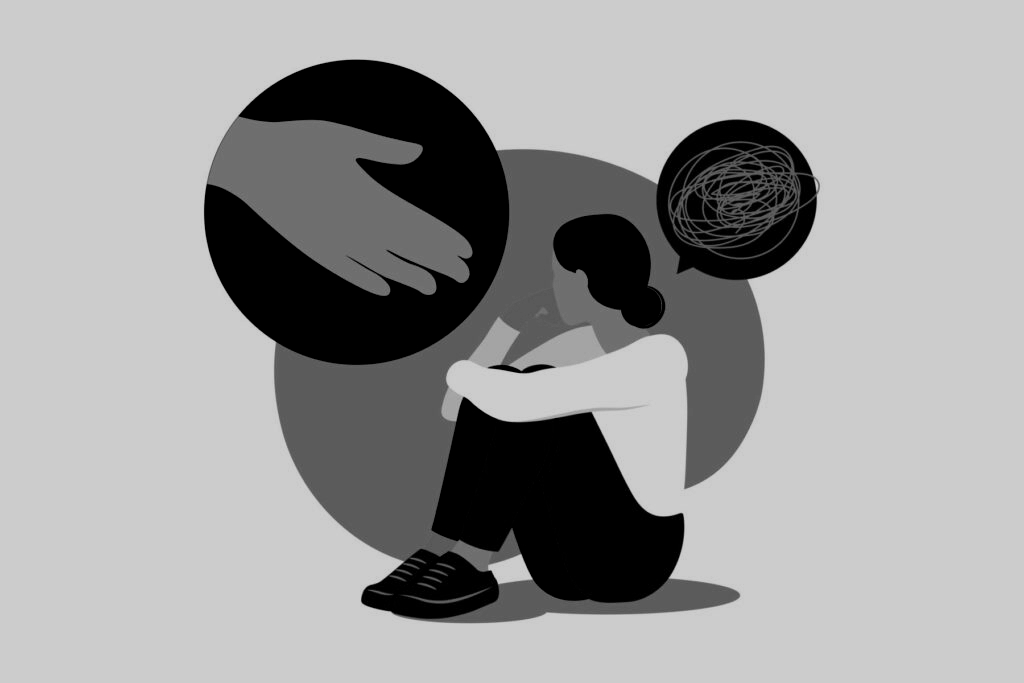
80-85% of Indians with Mental illness not receiving treatment: IPS
The Indian Psychiatric Society (IPS) has raised serious concerns over India’s persistently high mental health treatment gap, revealing that nearly 80-85 percent of individuals suffering from psychiatric disorders do not receive timely or appropriate care. The issue was highlighted during the curtain-raiser event of the 77th Annual National Conference of the Indian Psychiatric Society (ANCIPS 2026), which will be held from January 28 to 31 at Yashobhoomi in Delhi.
Mental health experts described it as deeply surprising that even in this day and age marked by rapid medical advances, digital health tools and increased public discourse, stigma surrounding mental health care remains alarmingly high, preventing millions from seeking help.
Citing data from the National Mental Health Survey (NMHS) 2015-16, IPS noted that India has one of the widest mental health treatment gaps globally, with over 85 per cent of people suffering from common mental disorders not seeking or receiving treatment. Globally, more than 70 per cent of individuals with mental illness do not receive care from trained professionals, while in several low-income countries, fewer than 10 per cent access necessary treatment.
Addressing the gathering, IPS President Dr Savita Malhotra said mental illnesses are among the most treatable health conditions if detected early. “Mental health disorders are highly treatable, yet the majority of patients in India continue to suffer in silence. The fact that over 80 per cent do not receive timely psychiatric care reflects deep-rooted stigma, lack of awareness and poor integration of mental health services into primary healthcare,” she said, adding that the crisis is not just medical but social, economic and developmental in nature.
Experts said delays in seeking psychiatric care often extend from months to several years. Social stigma and fear of discrimination continue to deter individuals from approaching formal healthcare systems, while lack of awareness leads many to misinterpret early symptoms as non-medical issues. The problem is compounded by an acute shortage of mental health professionals across the country.
Dr Nimesh G Desai , Chairperson of the ANCIPS Organising Committee and former Director of the Institute of Human Behaviour and Allied Sciences (IHBAS), warned that delayed treatment worsens outcomes. “When care is postponed, illnesses become more severe and chronic, increasing disability, family distress, productivity loss and the risk of self-harm and suicide,” he said, stressing the need to treat mental health with the same urgency as physical health.
Dr Deepak Raheja , Organising Secretary of ANCIPS Delhi and Director of Hope Care India, said integration of mental health services into primary healthcare, higher budgetary allocation, workforce expansion and sustained awareness campaigns are urgently required. “ANCIPS 2026 will serve as a critical platform for clinicians, policymakers and stakeholders to develop practical, evidence-based solutions to improve access and affordability of mental healthcare,” he said.
The burden of untreated mental illness is especially severe among vulnerable groups. Studies indicate that nearly 80 per cent of children and adolescents (aged 0–19 years)with diagnosable mental disorders in some regions receive no treatment, affecting education and long-term outcomes. Similarly, around 84 per cent of older adults with mental health conditions remain untreated due to neglect, social isolation and the mistaken belief that such symptoms are a normal part of aging.
Experts warned that untreated mental illness contributes to higher morbidity and mortality, substance abuse, unemployment, family breakdown and suicide, placing a significant burden on society and the economy.
While initiatives such as the Tele-MANAS mental health helpline and the expansion of the District Mental Health Programme are positive steps, IPS stressed that these efforts must be scaled up substantially. The society reiterated that mental health must be recognised as an integral part of overall health, deserving equal priority, investment and urgency as physical healthcare.