
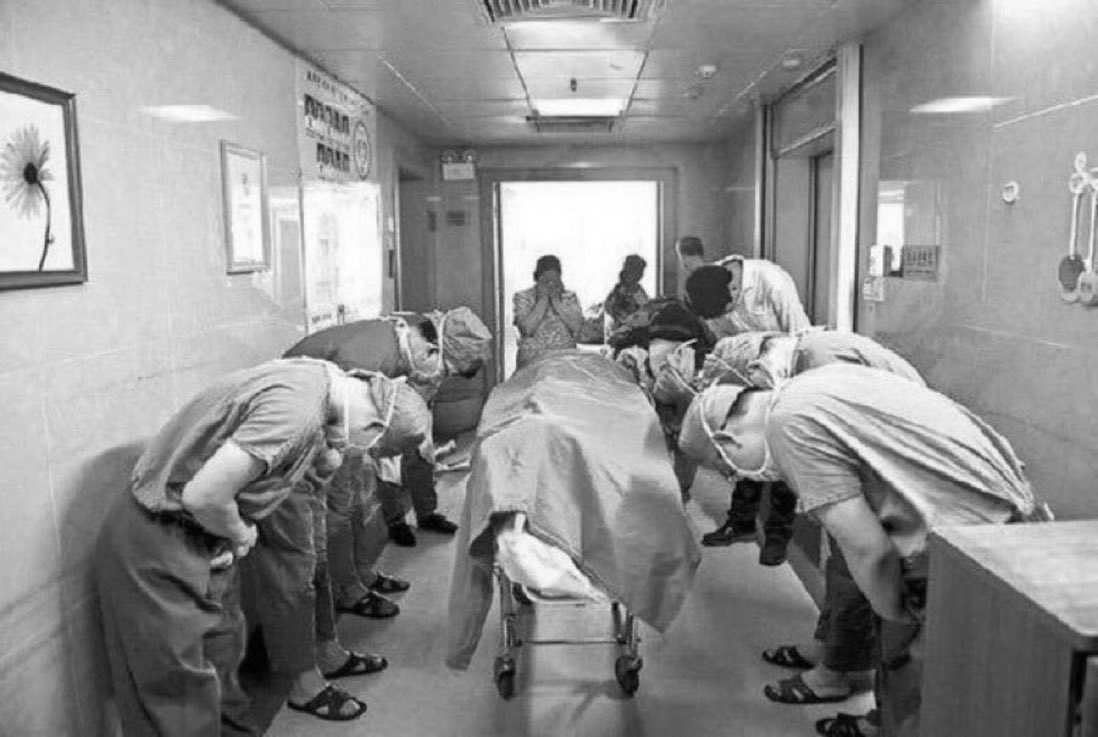
7-Year-Old Boy’s Final Gift Saves Four Lives in Bengaluru
The recent case of a seven-year-old boy in Bengaluru whose organs were donated after brain death draws parallels with earlier high-profile pediatric organ donation cases, including the widely discussed Kerala infant organ donation that saved multiple lives.
In Bengaluru, the child was declared brain dead after a road accident and treated for several days by a multidisciplinary team before medical experts confirmed brain death in accordance with NOTTO guidelines . After obtaining consent from the parents , the Government of Karnataka, through SOTTO , coordinated the retrieval of organs. Doctors retrieved two kidneys, one liver, two corneas and four heart valves , which were transplanted to suitable recipients, saving and improving multiple lives.
Similarly, in Kerala, the organ donation of a 10-month-old child became one of the most notable pediatric donations in India. Despite the emotional tragedy, the family chose to donate organs, helping several recipients. Such cases are rare because diagnosing brain death in infants and very young children involves strict medical assessment and additional clinical scrutiny.
Both cases highlight key similarities: adherence to strict legal and medical protocols , coordination between hospitals and state transplant organisations, and compassionate decisions by grieving families. They also demonstrate the critical role of agencies like NOTTO and SOTTO in ensuring transparent and regulated transplant procedures.
These incidents offer important lessons strengthening public awareness about organ donation , improving transplant coordination systems , and encouraging families to consider donation during difficult moments.
Experts say such stories contribute to a gradual cultural shift, helping bridge the gap between organ demand and supply while reinforcing trust in the healthcare system.