
69 Schools Destroyed: Nepal’s Flood Recovery Now Turns to Children and Education
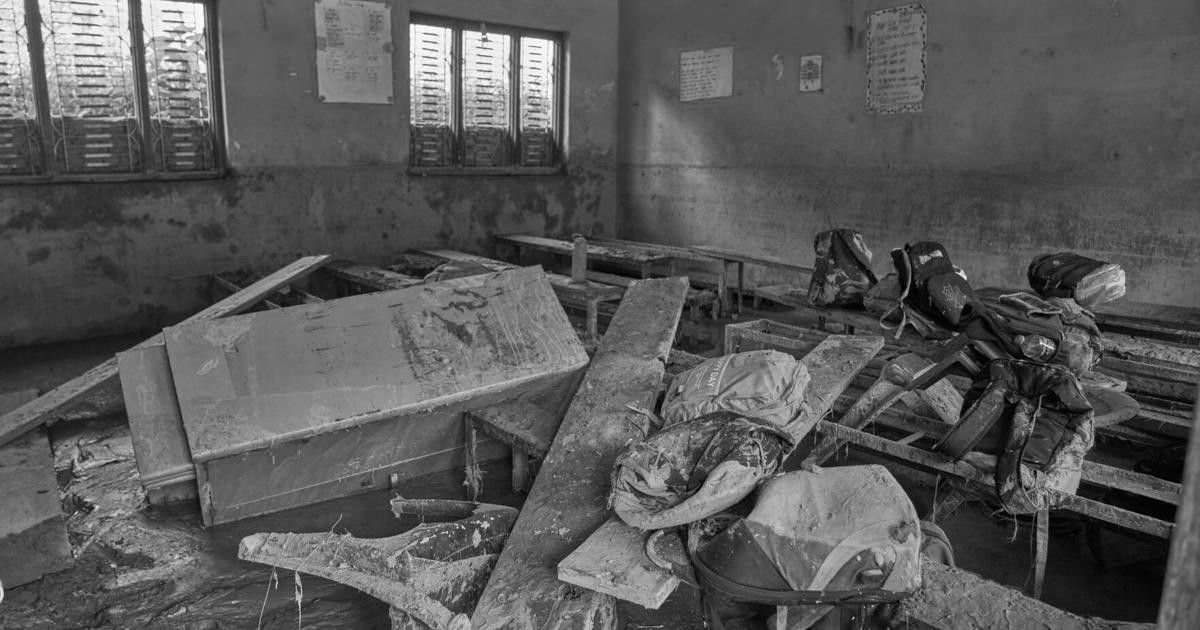
Nepal’s devastating flash floods have created a second emergency beyond rescue: getting thousands of children back into safe classrooms. At least 69 schools in flood-hit northern districts have been destroyed or damaged, placing the education of nearly 19,000 students at risk, according to Save the Children. The assessment is preliminary and could grow as teams reach isolated communities.
The destruction has erased classrooms, furniture, books and learning materials, while damaged roads and bridges have made some schools difficult or impossible to reach. Nepal’s government also temporarily closed schools and universities after the disaster, disrupting lessons and examinations. Prolonged closures could mean months of lost learning.
Reconstruction will be challenging because authorities must restore education while rebuilding infrastructure in areas vulnerable to floods, landslides and other hazards. Simply replacing destroyed buildings may leave schools exposed to disasters. New facilities will need safer locations, stronger structures, improved drainage and better emergency evacuation plans. Restoring roads, bridges, water and communications will also be important.
The immediate priority will be ensuring children can continue learning while damaged schools are rebuilt. Authorities and aid agencies may need temporary classrooms, alternative learning spaces, replacement textbooks and uniforms, teacher support and catch-up programmes. Teachers themselves may have suffered losses or displacement, adding another challenge to restarting classes.
Psychological recovery is another concern. UNICEF says more than 17,000 children urgently need humanitarian assistance. Many witnessed destruction, lost homes or belongings, became separated from caregivers, or endured terrifying escapes. Mental-health and psychosocial support teams are already being mobilised, but sustained counselling and child-protection services will be needed.
Schools can become vital recovery centres by providing routine, safety and emotional support, alongside education.
The disaster also highlights the importance of preparedness. Better early-warning systems, hazard mapping, evacuation drills and disaster-resilient school planning could save lives when floods strike.
For Nepal, the challenge is therefore not merely to rebuild schools, but to restore learning, protect children’s mental well-being and create safer education systems capable of withstanding a changing Himalayan risk landscape.