
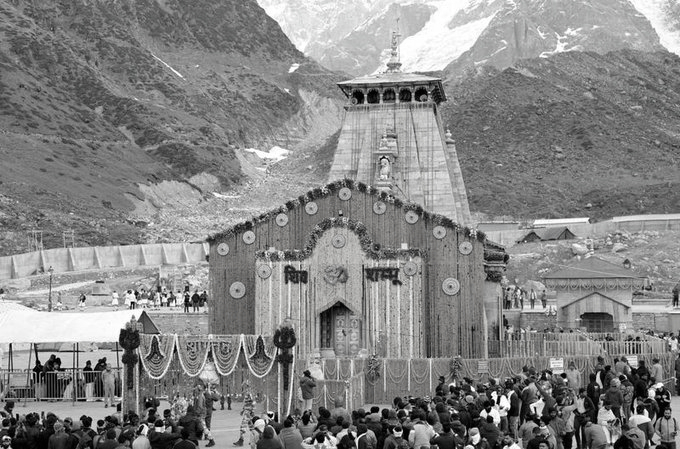
65 Lakh Pilgrims, 297 Deaths: The Troubling Numbers Behind Char Dham Yatra 2026
Uttarakhand's Char Dham Yatra witnessed a sharp increase in pilgrim footfall in 2026, with more than 65.65 lakh devotees visiting the four Himalayan shrines and Hemkund Sahib, marking a 29 per cent rise from the previous year. However, the growing influx also came with a worrying increase in fatalities, which climbed by 63 per cent.
An analysis by Dehradun-based social and environmental non-profit SDC Foundation, based on daily bulletins issued by the state government, found that 65,65,197 pilgrims undertook the pilgrimage this year, compared with 51,07,346 in 2025. This represents an increase of nearly 14.58 lakh visitors.
Badrinath recorded the highest footfall at 23,49,345, followed by Kedarnath with 19,33,138, Gangotri with 10,07,177, Yamunotri with 8,84,841 and Hemkund Sahib with 3,90,696 pilgrims.
Footfall increased across all five destinations. Badrinath and Hemkund Sahib recorded the highest growth at 42 per cent each, followed by Yamunotri at 37 per cent and Gangotri at 33 per cent. Kedarnath registered the lowest increase at 9 per cent.
The more concerning trend was the rise in pilgrim deaths, which increased from 182 in 2025 to 297 in 2026. Health-related natural deaths accounted for most fatalities, climbing 81 per cent from 159 to 288.
SDC Foundation founder Anoop Nautiyal called for a comprehensive review of pilgrim safety and healthcare arrangements. He pointed out that Kedarnath and Badrinath alone accounted for 229 health-related deaths this year.
He stressed the need for stronger medical facilities, emergency response systems, health screening and monitoring along pilgrimage routes, saying that the safety of devotees must remain a priority alongside managing the growing crowds.
The pilgrimage also placed greater pressure on transport infrastructure. Vehicle movement increased by over 30 per cent, from 5,14,016 in 2025 to 6,68,877 till November 14 this year.
Nautiyal warned that the rise in vehicles highlighted growing challenges for road safety, traffic management and healthcare services, calling for stronger safety measures and a coordinated approach to making the pilgrimage safer and more sustainable.