
₹600-cr critical care upgrade underway in AP hospitals
Andhra Pradesh Health Minister Satyakumar Yadav held a detailed review meeting with senior medical officials and announced a major expansion of critical care facilities across government hospitals in the state. He said that 24 new Critical Care Blocks (CCBs), being built at a cost of ₹600 crore under the Ayushman Bharat Health Infrastructure Mission, will be ready for use by the end of next month. Another 11 blocks are scheduled for completion by August 13, 2026, adding a total of 1,275 beds to the state’s public healthcare network.
These CCBs are part of a nationwide initiative approved by the Centre after the COVID-19 pandemic exposed significant gaps in emergency medical services, particularly for non-COVID patients. In Andhra Pradesh, the blocks are coming up in 16 teaching hospitals - excluding Guntur - and in the district hospitals of Tenali, Anakapalli and Hindupur. They are also being constructed in the area hospitals of Narasaraopet, Palakonda, Bhimavaram, Rayachoti and Chirala. Officials briefed the minister that work is progressing steadily across all locations.
Construction has nearly been completed in the teaching hospitals of Nellore and Ongole. Multiple hospitals, including those in Kadapa, Kurnool, Tirupati, Hindupur, Anantapur, Anakapalli, Rajahmundry, Visakhapatnam, Srikakulam, Vijayawada and Vizianagaram, are expected to finish their CCBs by the end of next month. The Tenali district hospital is on track for completion by March 2026, while facilities in Chirala, Paderu, Eluru, Machilipatnam, Palakonda, Nandyal, Bhimavaram, Narasaraopet, Rayachoti and Kakinada are scheduled to be ready by August 2026.
Each 50-bed CCB is being constructed at an estimated cost of ₹23.75 crore, which includes equipment. Narasaraopet’s 75-bed block is projected to cost ₹36.35 crore, and Tenali’s 100-bed CCB will require ₹44.50 crore. Roughly ₹7 crore per hospital has been set aside exclusively for medical equipment. A standard 50-bed unit will house a 10-bed ICU, a six-bed mini ICU or step-down unit, 24 isolation beds, and dedicated sections for dialysis, maternity care and casualty services. These facilities are expected to significantly enhance the state’s ability to treat cardiac, respiratory, poisoning, dialysis and maternal and child health cases.
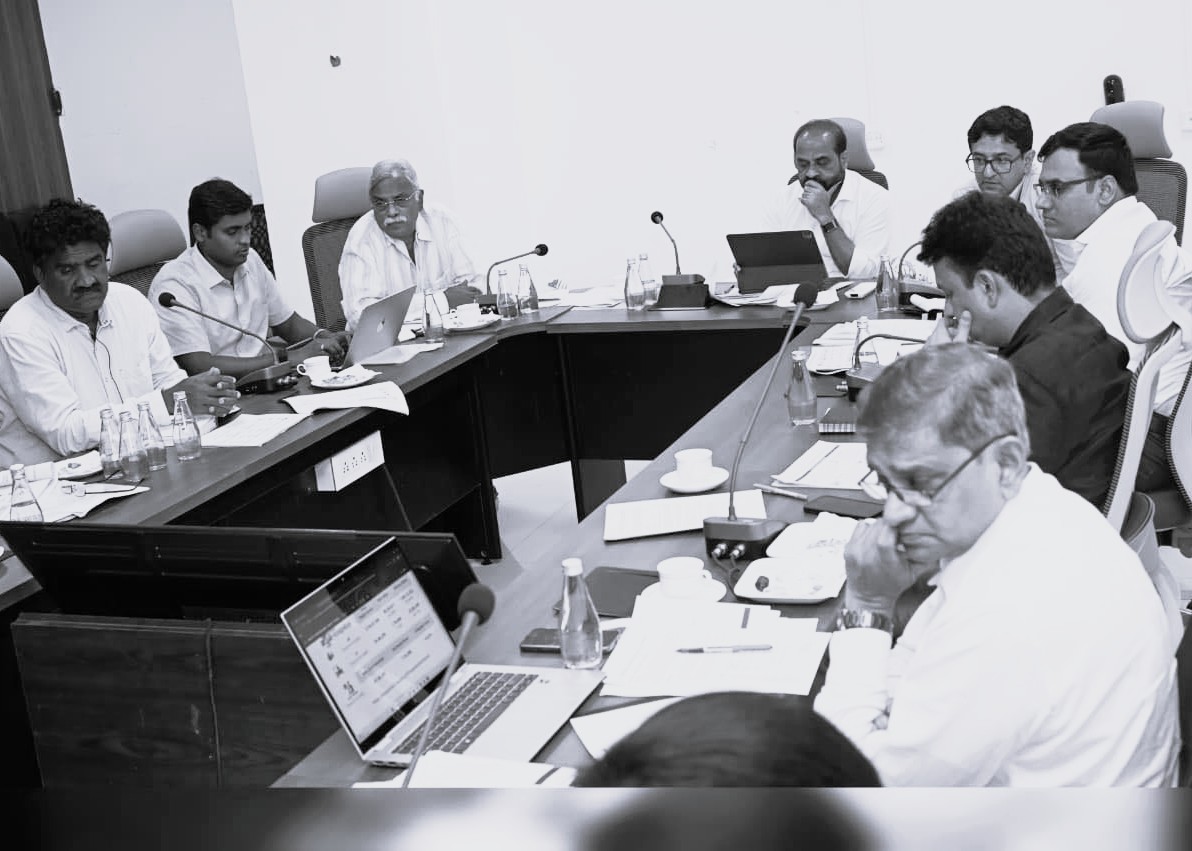
In a separate four-hour review meeting at the Secretariat, Minister Satyakumar raised concerns about reports of frequent doctor absenteeism in government hospitals, particularly in teaching, district and area hospitals. He directed officials to closely monitor the daily outpatient numbers handled by every doctor and to take firm disciplinary action against staff found to be negligent or irregular. He also instructed the department to introduce a formal system to recognise and reward doctors and paramedical staff who consistently perform well. Addressing misuse of the Facial Recognition Attendance system, he asked for corrective measures to ensure accurate attendance tracking.
The minister also criticised the unsatisfactory performance of hospital administrators in teaching hospitals and called for a review of job charts for superintendents and other key administrative officers. He questioned the practice of requiring in-patients to register again under outpatient services, describing it as unnecessary and time-consuming. On the data front, Satyakumar expressed concern that private hospitals were failing to record cancer treatment details in the mandatory notifiable disease registry and urged officials to enforce proper reporting.
The review meeting was attended by key officials, including the Health Department’s Principal Secretary, the Director of Secondary Health, the Managing Director of the State Health Infrastructure Corporation and the CEO of the NTR Health Trust.