
47 Dead, 50+ Kidnapped in Major Gang Attack on Haiti’s Kenscoff
A deadly gang assault in Kenscoff, a mountainous community near Haiti’s capital, Port-au-Prince, left at least 47 people dead and more than 50 kidnapped, according to local officials and the United Nations. At least five children were among those killed, while 22 people were injured. The attack highlights the growing power of Haiti’s armed groups and raises fresh concerns about security ahead of the country’s first general election in a decade.
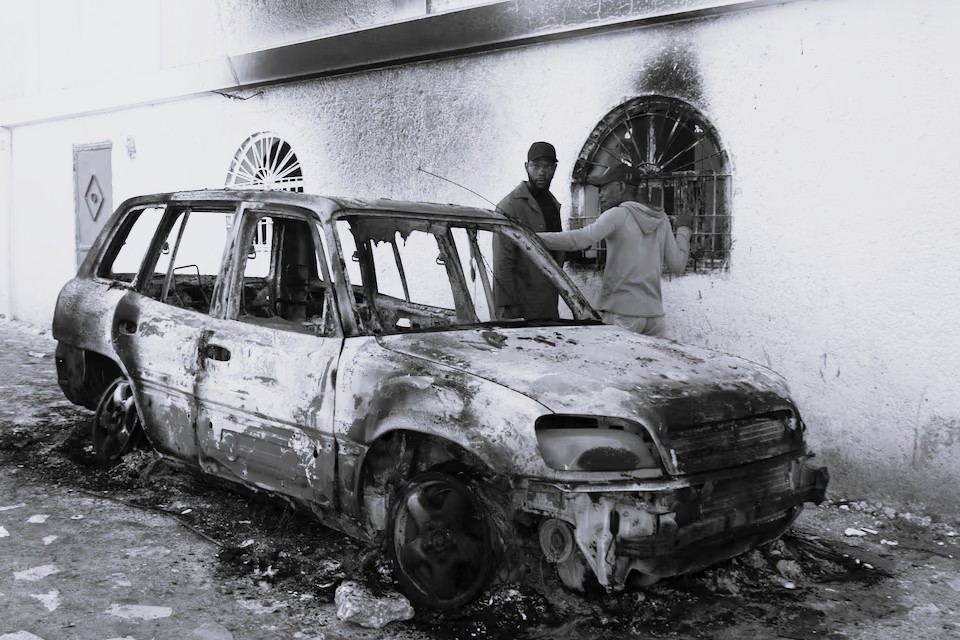
The attack began on August 23 in Kenscoff, an agricultural community overlooking Port-au-Prince and strategically located near Pétion-Ville and routes toward southern Haiti. Armed men reportedly killed residents, abducted civilians and burned about 25 homes, according to Mayor Jean Massillon. Two government employees, including the mayor’s cousin who served as his security detail, were among those killed. The UN said 22 victims were reportedly killed at a church compound where civilians had sought refuge.
The hostage crisis deepened after gang member “Izo 2,” also known as “Didi,” threatened to execute the captives if security forces killed or injured gang members. In a social-media video, he warned National Police Director Vladimir Paraison against using drones in the area. Analyst Romain Le Cour said the threat creates a dilemma for authorities: inaction risks accusations of abandoning hostages, while a rescue operation resulting in deaths could be blamed on the state.
The assault is linked to Viv Ansanm, a powerful gang coalition blamed for expanding control across Haiti. Kenscoff has faced repeated attacks since January 2025, while ACLED reported another major incursion from July 4-9 that killed at least 61 people. Despite security operations reducing violence in Kenscoff by 66% between January and August 2026 compared with the same period last year, gangs continue exploiting gaps in police coverage.
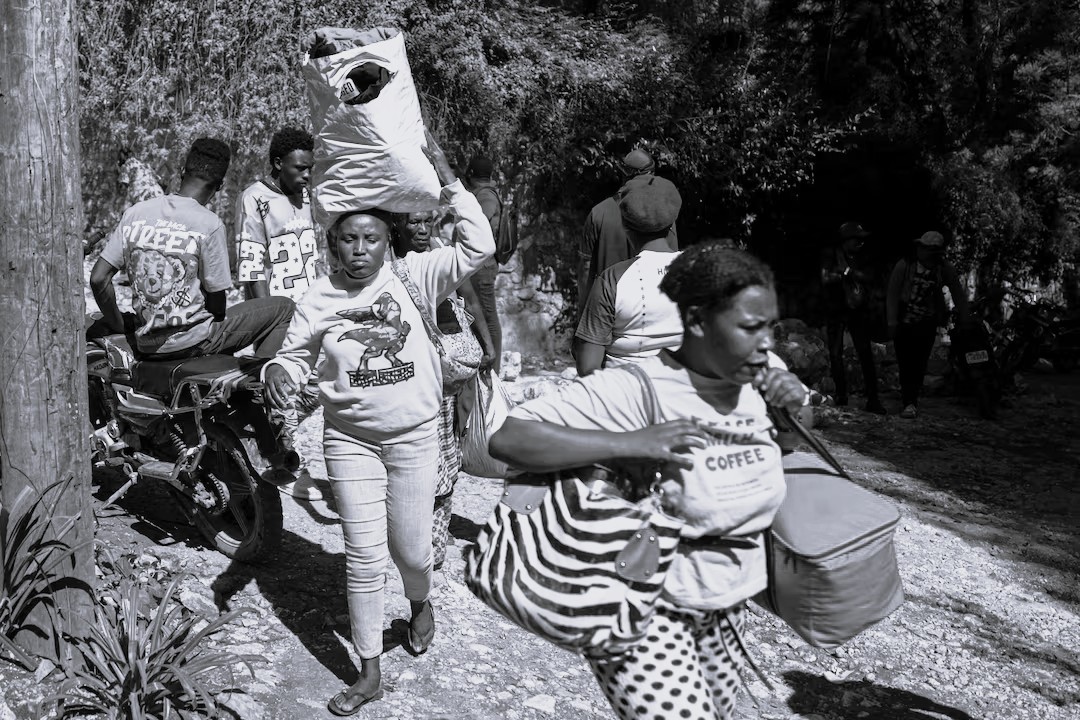
Haiti’s wider crisis remains severe. Armed groups control an estimated 70% of Port-au-Prince, while gang violence has displaced about 1.5 million people. UN figures show more than 3,050 people killed and 1,400 injured between January and June. Between April and June, nearly 800 rapes were reported, 87% involving collective rape, while at least 81 kidnappings were recorded—more than 40% higher than the previous quarter. The UN says actual kidnapping numbers are likely much higher because families often negotiate privately.
The international response, centered on the UN-backed Gang Suppression Force, remains constrained by limited personnel. The force is ultimately expected to reach about 5,500 personnel, but only around 1,000 had been deployed according to recent assessments.
The attack comes as Haiti prepares for December 13 general elections, its first national vote since 2016. Security officials must now secure communities, roads, polling stations and election workers while preventing gangs from exploiting territorial gaps.
The Kenscoff assault has therefore become a major test of Haiti’s government, police and international partners and a warning that recent security gains remain fragile.