
458 dead as Jharkhand records heaviest monsoon in a decade
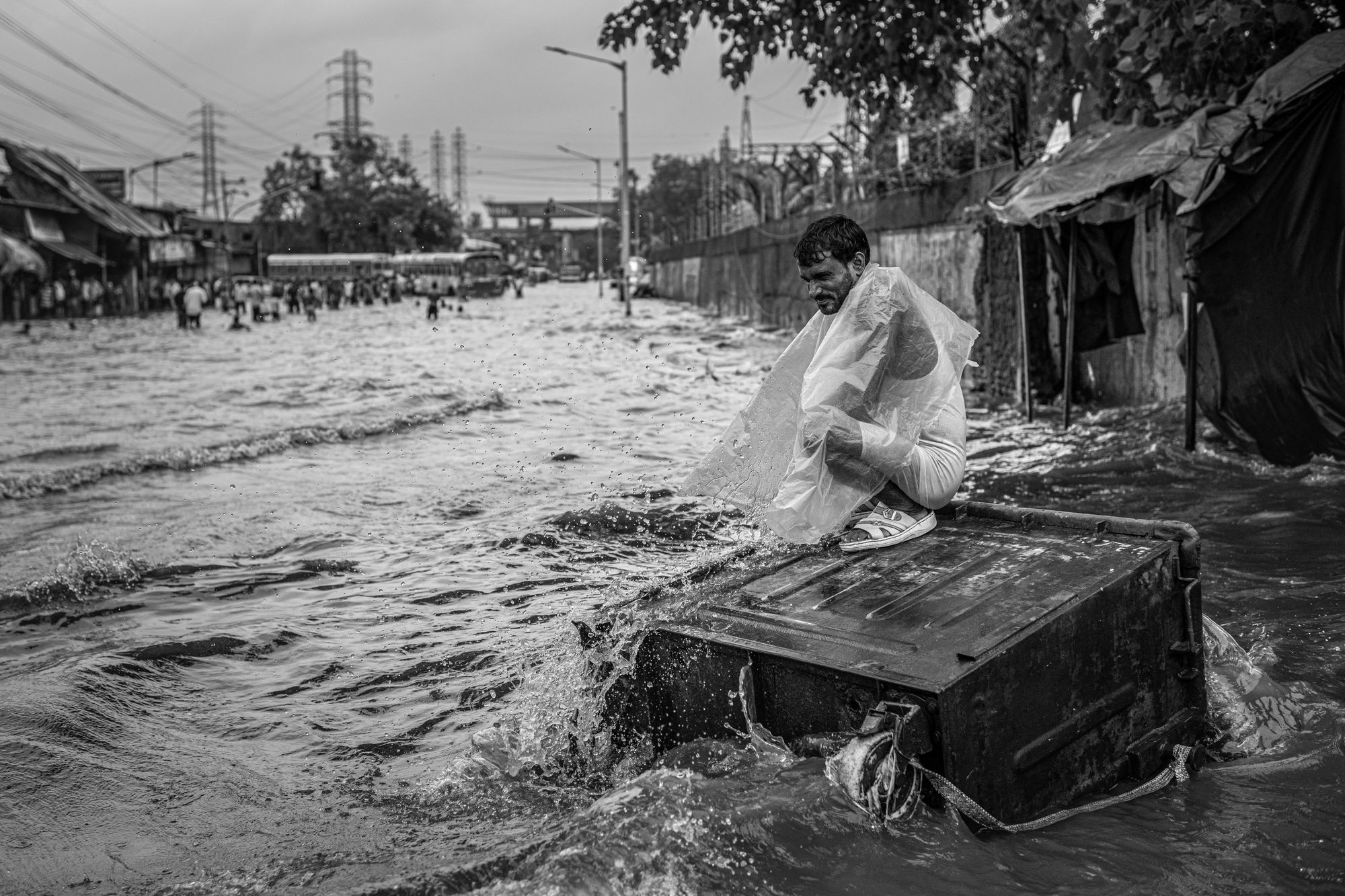
Jharkhand is facing one of its most devastating monsoons in a decade. Between June and September 2025, floods, landslides, lightning strikes, and house collapses have claimed at least 458 lives across the state. Tens of thousands were forced to abandon their homes, with the rising waters of the Ganga alone displacing nearly 20,000 residents in Sahibganj.
The floods have completely destroyed 467 houses and partially damaged over 8,000. Farmland has been hit hard, with approximately 2,390 hectares of crops lost, particularly in Ranchi, Gumla, Lohardaga, and Simdega districts. Among the casualties, 186 people were killed by lightning strikes, 178 drowned in rain-related incidents, while floods, landslides, and house collapses accounted for the remaining deaths.
“This year, Jharkhand recorded 1,199.5 mm of rainfall between June 1 and September 30, which is 18 percent above normal,” Ranchi Meteorological Centre’s Director Abhishek Anand told PTI. “It is the highest rainfall the state has seen in the past decade. The last comparable figure was 1,101.8 mm in 2016.” Among districts, East Singhbhum topped the list with 1,669.5 mm, followed by Saraikela-Kharsawan (1,526.3 mm) and Ranchi (1,550.2 mm), each recording more than 50 percent above normal rainfall.
Meteorologists attribute the extreme rains to multiple factors. Anand pointed to unusually warm sea surface temperatures in the Bay of Bengal, which led to frequent low-pressure formations drifting inland toward Jharkhand. “The Bay of Bengal remained unusually active this season, causing repeated heavy downpours across eastern and southeastern districts,” he said. These low-pressure systems draw moist air from the ocean, and when it meets the state’s hilly terrain, heavy and sustained rainfall occurs.
The delayed withdrawal of the southwest monsoon extended wet conditions into late September. Scientists suggest persistent moisture, weak upper-air circulation, and continued cyclonic activity over the Bay of Bengal disrupted the usual retreat pattern, leaving the region exposed to repeated heavy rainfall. Climate change likely intensified the impact, making extreme rainfall more frequent and severe.
While rainfall has now begun to decline, the IMD forecasts isolated moderate rain with thunder and lightning in some areas until October 12, after which dry conditions are expected as the monsoon withdraws. Anand also cautioned about the upcoming winter, predicting a mild “pink cold” around Diwali and Chhath Puja, with potential for intense cold later depending on global factors such as La Nina, wind patterns, and Himalayan snowfall.
The state and central governments launched large-scale relief operations. NDRF teams were deployed, relief camps opened, and compensation announced, helping save lives and provide immediate assistance.
Yet gaps in preparedness were evident. Lightning caused the largest share of deaths, highlighting weaknesses in early-warning systems and public awareness. Poor drainage, unprotected slopes, and vulnerable settlements worsened flood impacts. Farmers, many losing entire crops just before harvest, now face severe economic challenges.Experts stress that this disaster underscores the urgent need for stronger early-warning systems, upgraded infrastructure, better river management, and community awareness programs to reduce the human and economic toll of future monsoons.