
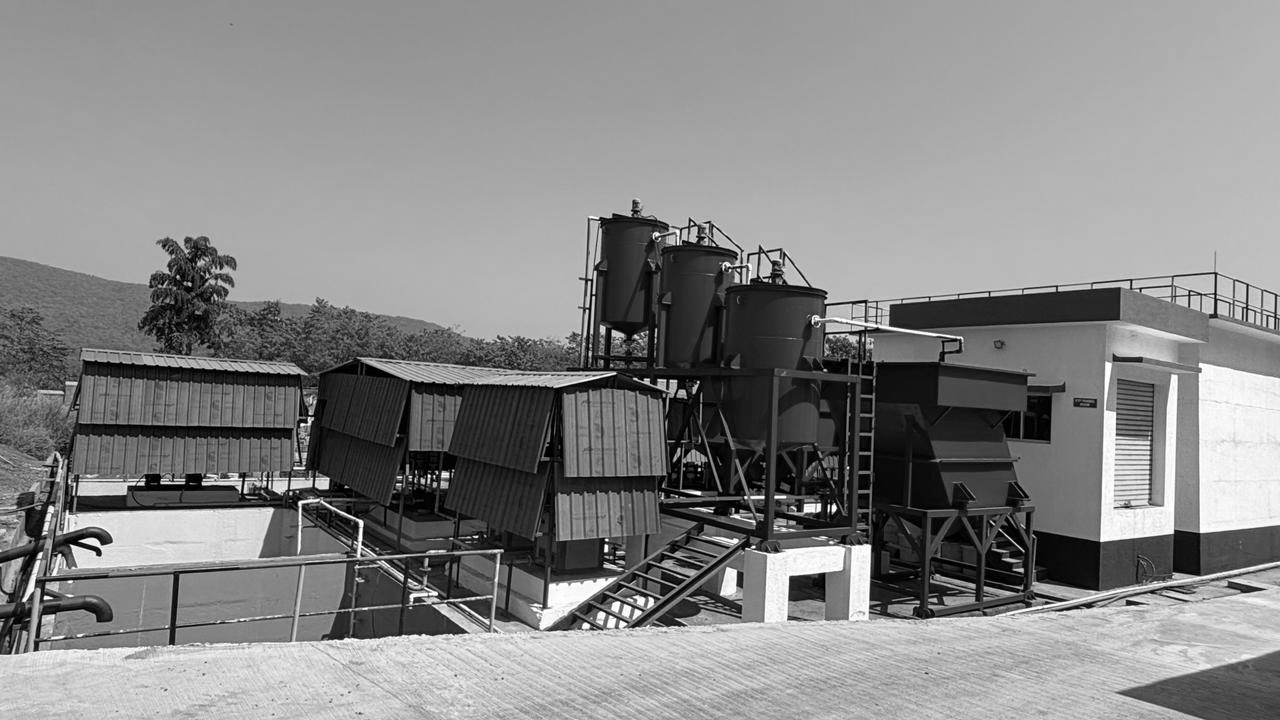
45,000 tonnes waste, one solution, Goa’s first plant
Goa has taken a major step towards tackling its growing hazardous waste problem with the inauguration of the state’s first Common Hazardous Waste Treatment, Storage, and Disposal Facility (CHWTSDF) at Pissurlem in Sattari. The ₹125 crore project, executed by Ponda Envocare Limited under state government supervision, is designed to manage nearly 45,000 tonnes of hazardous waste generated annually across the state, providing a comprehensive, environmentally safe solution.
The facility is a one-stop solution for all categories of hazardous waste. It combines landfilling, incineration, and pre-processing capabilities, allowing co-processing of certain wastes in cement industries. It can handle 25,000 tonnes of landfillable waste, 25,000 tonnes of pre-processing and co-processing waste, and 14,000 tonnes of incinerable waste each year. The plant’s rotary kiln incinerator operates at temperatures up to 1,100°C in its secondary chamber, ensuring complete destruction of harmful materials. Flue gases are continuously monitored to ensure emissions remain within safe limits, reflecting the facility’s commitment to environmental safety.
Officials emphasize that the plant addresses a pressing public health concern. Unchecked hazardous waste can contaminate soil, groundwater, and surface water, causing long-term ecological and health risks. By centralizing treatment, Goa reduces these dangers while aligning with national environmental standards.
Beyond its environmental impact, the project is creating employment opportunities for locals. About 80% of the workforce comprises Goans, employed in incineration, laboratory, maintenance, and administrative roles. Workers describe the facility as a learning hub, gaining hands-on experience with advanced waste management technologies while contributing to state-wide ecological protection.
Analysts note that Goa’s initiative demonstrates a proactive approach to urban and industrial waste challenges, balancing technological solutions with workforce development. However, critics caution that long-term success will require strict adherence to operational protocols, continuous monitoring, and public accountability to ensure the plant continues to mitigate environmental risks effectively.
In essence, Goa’s first hazardous waste plant is not just a technological achievement but a blueprint for sustainable industrial development, public safety, and local employment, reflecting a state ready to confront ecological challenges with innovation and responsibility.