
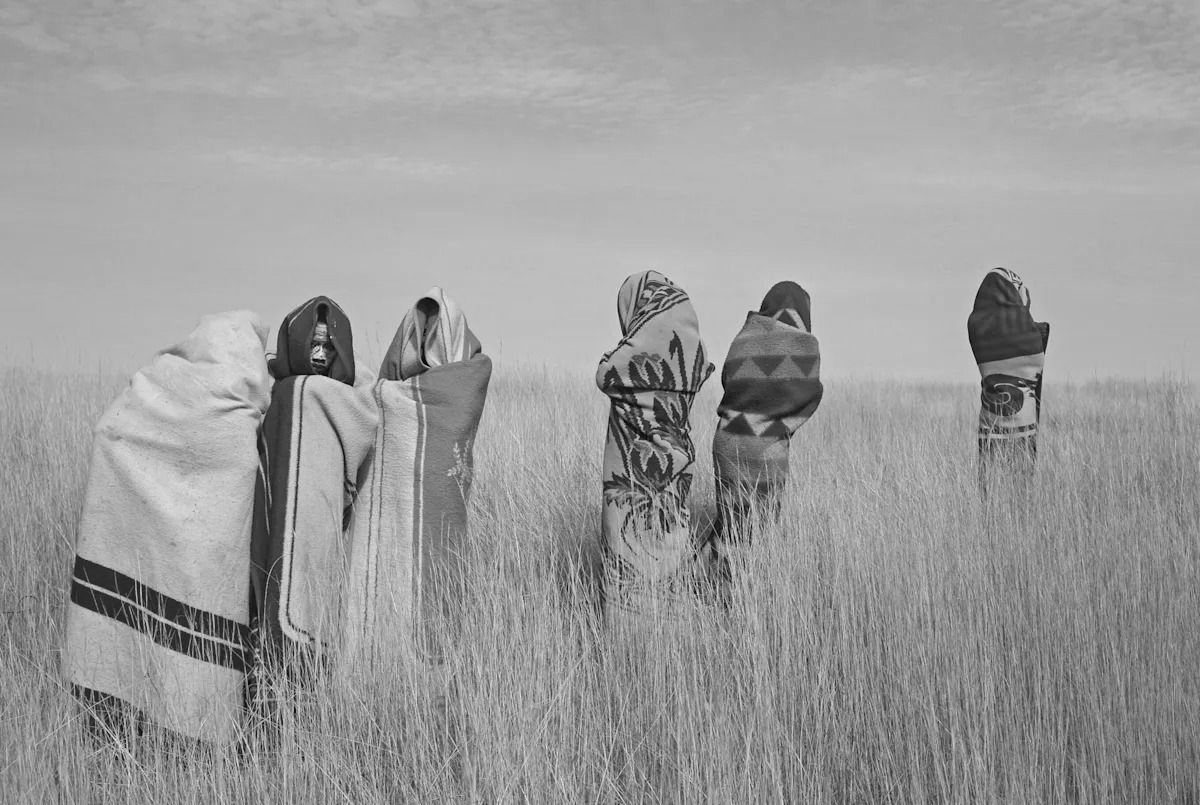
41 young men die in South Africa during traditional circumcision ceremonies
At least 41 young men have died during traditional circumcision procedures in S outh Africa over November and December , authorities said Tuesday, underscoring the persistent dangers associated with initiation ceremonies. These rites, marking the transition to manhood, are annually observed by communities including the Xhosa, Ndebele, Sotho, and Venda.
During the ceremonies, initiates are traditionally isolated at initiation schools, where they are taught cultural values and responsibilities. While circumcision is central to the ritual, it can pose serious health risks, particularly at unregistered or unsafe schools lacking proper medical supervision. Eastern Cape province emerged as a hotspot, accounting for 21 of the deaths this season.
South Africa’s Traditional Affairs Minister, Velenkosini Hlabisa, blamed negligence by both initiation schools and parents for the fatalities, citing unsafe practices such as instructing initiates to avoid drinking water to heal faster. Authorities said that harmful traditional advice, lack of monitoring, and operation of illegal initiation schools contributed significantly to the deaths. Hlabisa also noted that some parents had falsified their children’s ages, allowing underage boys to participate in the ceremonies, which is illegal under South African law. Only children aged 16 and above may be admitted to initiation schools with parental consent, and the law requires all schools to be registered and meet minimum health and safety standards.
Authorities have arrested 41 individuals in connection with illegal initiation schools, including parents and operators. Officials emphasized that adherence to health protocols, medical supervision, and education on safe practices is crucial to prevent future tragedies. While circumcision is a deeply rooted cultural practice in South Africa, similar procedures in the West are usually performed on newborns in hospitals under strict medical supervision, where complications are rare, occurring in only 0.2–2% of cases . Communities continue to celebrate the return of initiates, but officials stress the need to balance tradition with safety to protect young lives.