
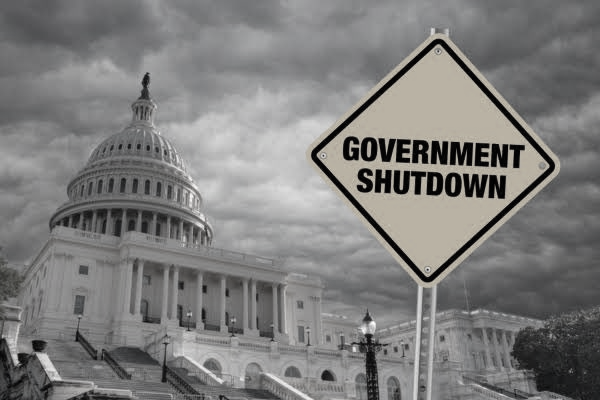
40-day US shutdown about to end? Senate seals a deal
The United States is edging closer to ending its record 40-day government shutdown, with senators returning for a rare Sunday session to vote on a funding bill that could reopen federal operations within days. The crisis, triggered by a budget standoff between Democrats and Republicans, has crippled essential services, disrupted air travel, and left millions struggling to cope with its effects. Senate Majority Leader John Thune is leading a plan to advance a House-passed resolution and then attach a broader “minibus” appropriations package. The proposed deal, brokered between Thune, the White House, and centrist Democrats, would give the opposition a future vote on extending health insurance tax credits - a key demand during the talks.
President Donald Trump expressed optimism that the shutdown’s end is near, saying, “It looks like we’re getting very close to the shutdown ending. You’ll know it very soon.” While the Senate needs 60 votes to advance the measure, at least eight Democrats and one Independent are expected to support it, with a few more likely to join once Democratic Leader Chuck Schumer signals quiet approval. Schumer has not yet publicly endorsed the deal but is believed to be holding out for minor concessions on social spending before allowing his caucus to move forward. Analysts estimate the bill has a 70 to 80 percent chance of clearing the Senate, and if everything proceeds without procedural delays, the government could reopen within three to four days.
The shutdown’s economic fallout has been severe, with more than 1.4 million federal employees affected, some furloughed and others, like air traffic controllers and airport security screeners, working without pay. The aviation sector has suffered enormous losses, with over 3.2 million passengers facing flight cancellations and delays, while airlines and tourism agencies have reported combined losses exceeding $1.2 billion. Economists warn that the prolonged gridlock could cut up to two percentage points from the US GDP, with permanent economic damage reaching $14 billion, making it the most damaging government shutdown in American history.
Beyond aviation, the shutdown’s effects ripple through millions of American homes. Around 42 million people reliant on SNAP food assistance face benefit disruptions, while the Head Start program for low-income families has halted operations across 18 states and Puerto Rico, leaving 10,000 children and families without meals or childcare. National parks and museums remain shuttered, judicial proceedings have slowed, and the Federal Reserve is struggling to analyze the economy without updated federal data. More than half of Americans believe the shutdown has negatively impacted their communities, intensifying political pressure on Congress to act swiftly.
At the heart of the standoff lies a clash of priorities, Democrats demand expanded healthcare and social funding, while Republicans insist on reopening the government before any further policy negotiations. Yet, with bipartisan cooperation appearing stronger than at any point since the shutdown began, optimism is building in Washington. If the current momentum holds, the vote expected in the Senate within the next 48 hours could finally pave the way for the government to resume full operations by the end of the week, bringing relief to millions of Americans and marking the end of the longest shutdown in US history.