
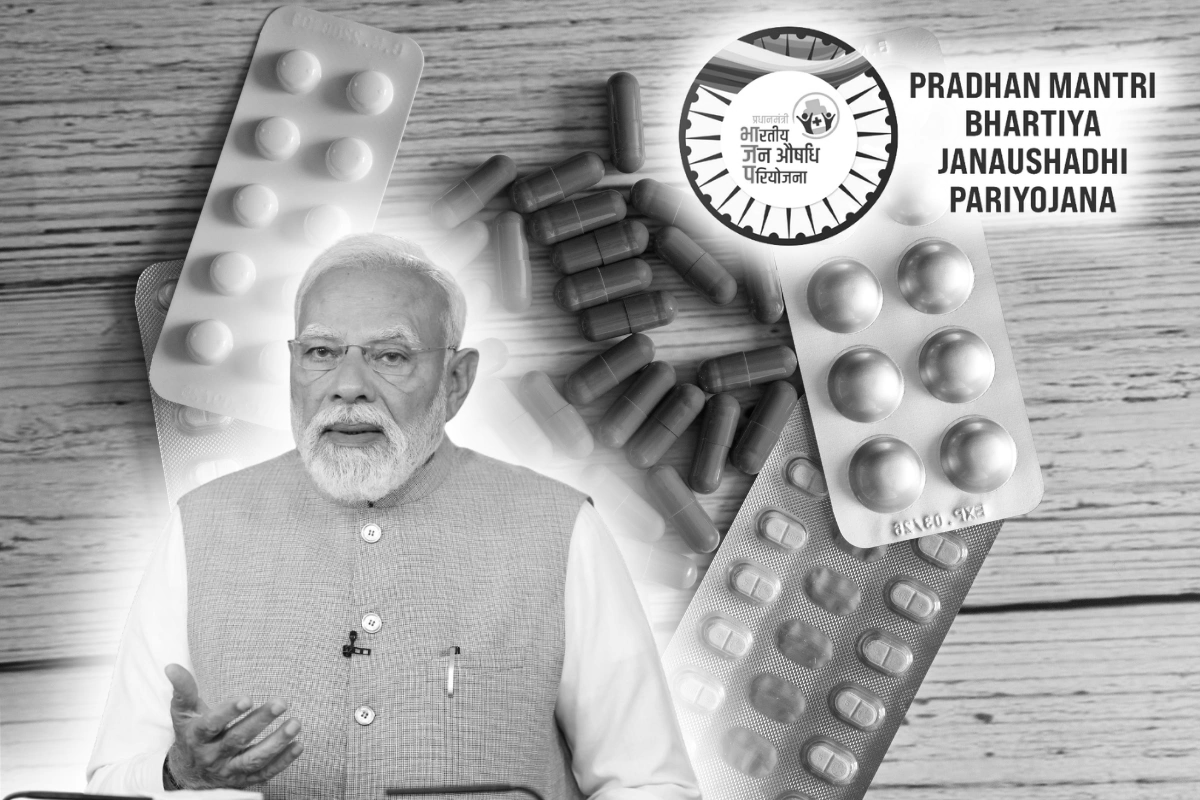
₹40,000 crore saved on medicines, says govt, Shah calls scheme a game changer
On Jan Aushadhi Diwas 2026, Union Home Minister Amit Shah celebrated the Pradhan Mantri Bharatiya Jan Aushadhi Yojana (PMBJP), noting that 18,000 Kendras now serve the poor across the country and that the scheme has helped Indians save over ₹40,000 crore . The numbers are striking, but they tell only part of the story.
The scheme's core idea is sound. Generic medicines, chemically identical to branded drugs but sold without marketing overhead, are made available at Jan Aushadhi Kendras at prices 50 to 90 per cent lower than market equivalents. From 80 Kendras in 2014, the network has grown nearly 180-fold. Annual sales have risen from ₹7.29 crore to over ₹2,022 crore in 2024-25. For patients managing chronic conditions like diabetes, hypertension, or high cholesterol, who buy medicines every month, the savings are real and significant.
The ₹40,000 crore figure, however, deserves context. It is a government estimate , not an independently audited number. It assumes every buyer would otherwise have purchased the costlier branded equivalent, which may not always be the case. Useful as a broad indicator, it is not a verified fact.
Quality concerns add another layer. Multiple drug batches have been recalled over the years after failing state-level quality checks. An RTI in Kerala found Jan Aushadhi samples failing at 4.2 per cent, above the state's broader market average. Stock shortages, uneven regional distribution, and doctors' reluctance to prescribe generics by name further limit the scheme's reach.
PMBJP is, at its core, a good and necessary policy. India's out-of-pocket health spending has fallen significantly over the past decade, and this scheme is part of that shift. But to fully deliver on its promise, it needs an independent savings audit, stronger pre-distribution quality controls, and better supply chain coverage in underserved areas. The vision is right. The execution still has ground to cover.