
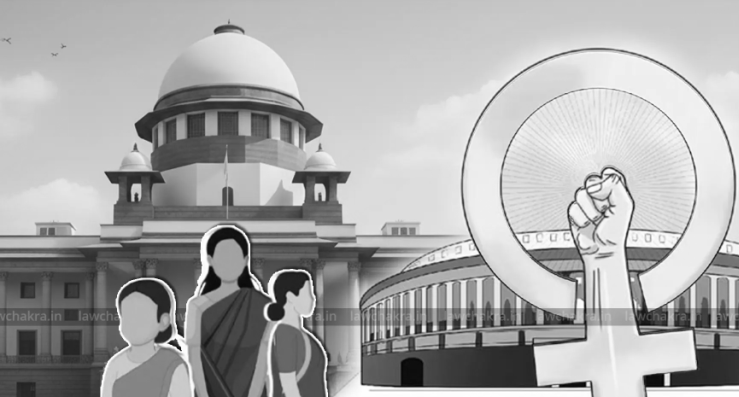
33% women’s quota: Law passed, promise pending, Congress seeks all-party discussion
The Congress has urged the government to convene an all-party meeting to discuss proposed changes to the Women’s Reservation Act , stressing that the legislation should not be used for “divide and rule” politics .
The Women’s Reservation Act , passed by Parliament in 2023, aims to provide 33 per cent reservation for women in the Lok Sabha and state legislative assemblies . This landmark law, brought through a constitutional amendment, is designed to strengthen women’s representation in politics and ensure that their voices are heard in law-making bodies. However, the law is scheduled to come into effect only after the completion of the post-Census delimitation exercise , which redraws the boundaries of parliamentary and assembly constituencies.
The government is reportedly exploring the possibility of implementing the reservation before delimitation is completed . If this happens, a further constitutional amendment will be required to legally allow the quota to apply to existing constituencies. The proposed amendment would effectively enable earlier implementation of the 33 per cent women’s quota , potentially accelerating women’s representation in legislatures.
While no formal Cabinet proposal has been prepared, sources indicate that preliminary discussions are underway, and the government may have sent informal feelers to some opposition leaders about the potential bill. Congress general secretary in-charge of communications Jairam Ramesh said the party has requested a cross-party dialogue before any move is made. “They should not indulge in divide and rule politics,” Ramesh said, urging a consensus-based approach .
The proposed amendment has stirred early political debate, as lawmakers weigh the constitutional, legal, and political implications of implementing the reservation before delimitation. With the next parliamentary session approaching, the discussion is likely to shape both women’s political empowerment and the broader legislative process.