
30th anniversary of Tibetan women’s 1995 silent protest against Chinese repression
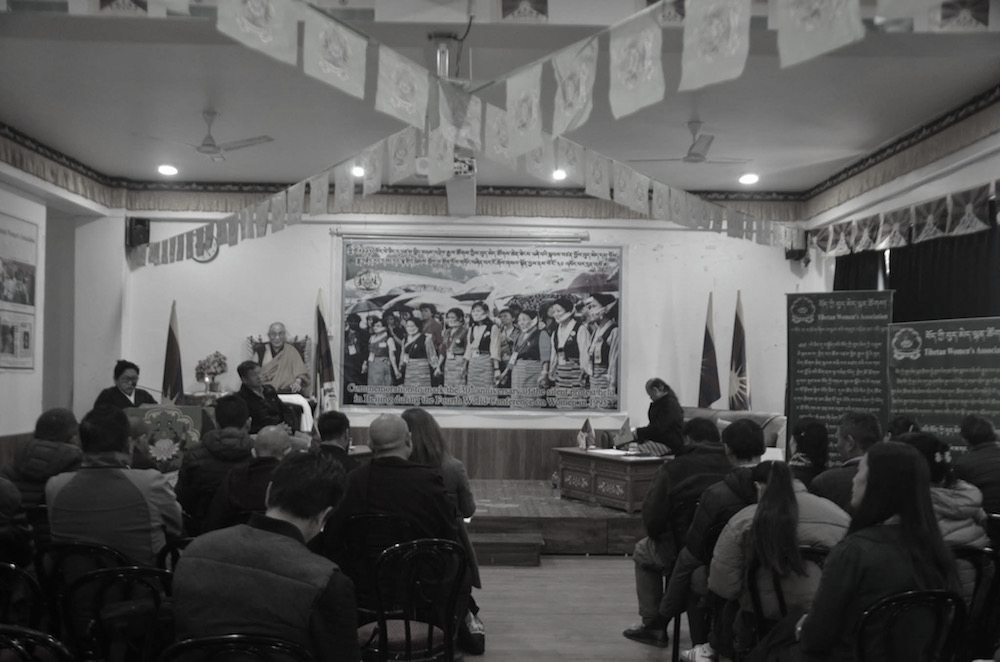
The Tibetan Women’s Association (TWA) marked the 30th anniversary of the landmark Silent Protest held during the 1995 United Nations Fourth World Conference on Women in Beijing, remembered as the first demonstration by Tibetan exiles against Chinese rule on Chinese soil. The commemoration at the Tibetan Settlement Hall in Dharamshala honoured the nine women whose quiet defiance became a defining moment in the Tibetan freedom movement.
The anniversary began with a reflection on the original protest. In 1995, nine Tibetan exile women stood in silent defiance under the falling rain, scarves tied across their mouths to symbolize China’s systematic silencing of Tibetan women’s voices in Tibet. Their protest gained even greater significance because they were the only Tibetan exiles granted visas to attend the Beijing conference, making their presence itself a bold assertion of identity under intense surveillance.
The event paid tribute to Gyalthong Tsering Dolma, Kherol Seldup, Tenzin Dolker Jinpa, Chime Dhonden, Youdon Dhonden, Phuntsok Dolma, Kalsang Wangmo, Dorje Dolma Kherol, and Tsomo Namgyal, whose silent stand drew unprecedented global attention to the Tibetan cause. Former TWA General Secretary Ngawang Lhamo, who played a crucial role in securing the delegates’ participation in 1995, attended as a special guest. She recalled the years of persistence required to ensure Tibetan women had a place in an international forum hosted by a government known for suppressing dissent and curbing gender equality.
A letter from Eva Harzer, mentor to the Tibetan delegates, was also read. She described detailed safety measures taken amid Chinese surveillance, including a plan ensuring each Tibetan woman was constantly accompanied by a Western delegate, providing diplomatic protection and amplifying global awareness. Human rights lawyer Reed Brody, who accompanied the delegation, addressed the gathering through a video message, recalling how Chinese police relentlessly followed and harassed the women during the conference. Despite the intimidation, their silent act broke through restrictions and captured worldwide media attention.
Speakers also stressed that Tibet remains one of the world’s most oppressed nations. For decades, Tibetans have resisted China’s occupation with remarkable courage, from villagers, monks, and nuns who rose up in 1950 to ordinary lay freedom fighters who defended their homeland with little more than conviction and determination. Their resilience reflects a people unwilling to surrender their identity or their land. As Human Rights Day approaches, the commemoration highlighted that Tibetan women remain especially vulnerable under occupation and that global recognition of their struggle is essential in ensuring their voices are neither erased nor ignored.