
306 Killed, 49 Missing In Ethnic Violence Since May 2023: Has Peace Really Returned To Manipur?
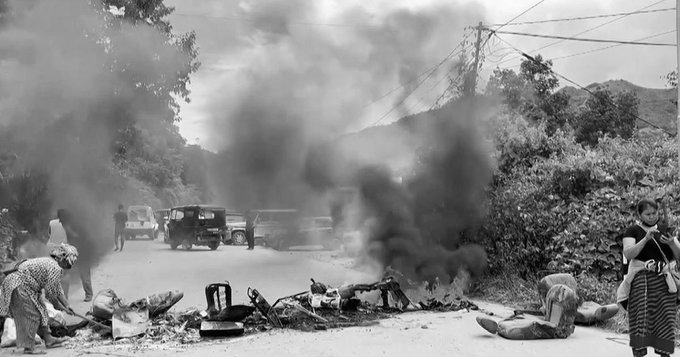
More than three years after ethnic violence tore through Manipur, the state has returned to an elected government, but the path to lasting peace remains uncertain. The latest figures presented in the Assembly show that 306 people have been killed and 49 remain missing since the violence began on May 3, 2023.
Home Minister Govindas Konthoujam told the Assembly on Thursday that the figures were recorded up to August 31, 2026. The violence erupted between the Meitei and Kuki-Zo communities after a Tribal Solidarity March was organised in the hill districts against the demand for Scheduled Tribe status for the Meitei community.
The return of an elected government under BJP leader Y Khemchand Singh in February 2026 has brought some signs of political normalisation. The Assembly is functioning again, connectivity has been restored on some routes, and the government has pushed rehabilitation, resettlement and insurgent surrender efforts. In August, 46 members of the Kangleipak Communist Party faction surrendered to authorities.
Yet, fresh killings after the new government took office show that the conflict has not disappeared. Violence has continued in parts of the state, particularly in the hills, keeping ethnic tensions alive. The situation therefore appears calmer than the worst phase of the conflict, but remains fragile.
At the same time, a new flashpoint has emerged around the National Register of Citizens (NRC) and the 2027 Census.
The Khemchand government has backed the demand for the NRC to be updated before the Census, with the Assembly passing a resolution to that effect. Supporters argue that citizenship and residency records should first be established amid concerns over alleged illegal immigration and demographic changes.
Kuki-Zo groups oppose that sequence. They want the Census first and NRC later, arguing that an impartial population count should establish demographic facts before citizenship verification is undertaken.
The disagreement goes beyond procedure. In a state already divided over identity, land, migration and political representation, the question of who is counted — and how — carries enormous political weight.
For Manipur, therefore, the challenge is no longer simply to stop immediate violence. It is to prevent new disputes over citizenship and demographics from reopening the ethnic fault lines that the government is trying to bridge.