
3 Killed, 36 Injured As Houthis Strike Saudi Airports, Trump Weighs Fresh Iran War
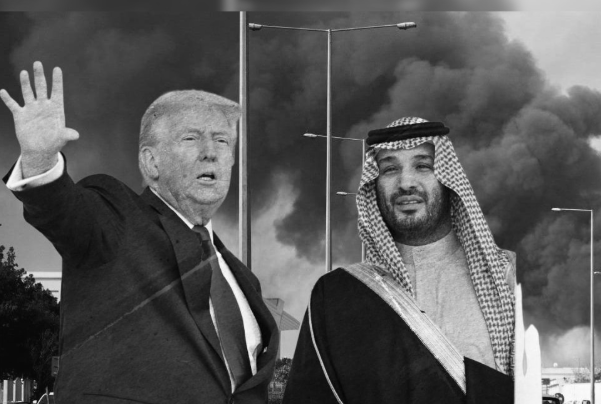
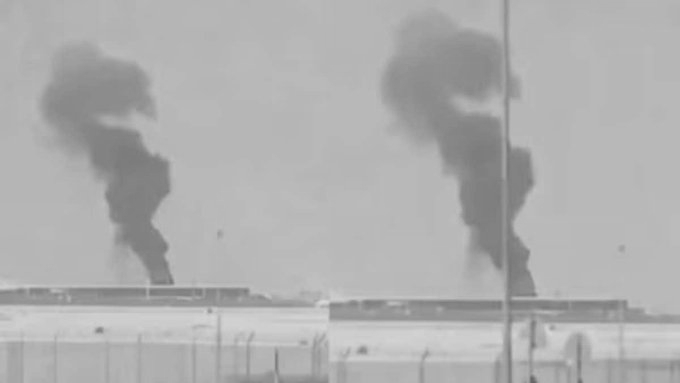
Riyadh is facing a relentless assault, with explosions being reported throughout the day. The latest target is King Khalid International Airport, which the Houthis claim they attacked with a ballistic missile in a precise and successful strike.
Saudi Arabia has not yet confirmed a direct hit. Residents, however, reported loud explosions over Riyadh. They could indicate a direct hit, or missile interceptions in the sky. The Houthis attacked two Saudi airports King Khalid Airport in Riyadh and Abha International Airport in the southwest. Saudi officials initially remained silent but later confirmed the attacks and revealed the casualties.
At Riyadh, one Sudanese national was killed and eight others were injured. At Abha, two people, one Moroccan and one Algerian, were killed, while 28 others were injured. That takes the toll to three dead and 36 injured.
The Houthis have launched three such attacks this week, deliberately targeting civilian aviation rather than Saudi military air bases. The apparent goal is to frighten international airlines and disrupt Saudi Arabia's aviation network. The Houthis have also warned airlines against using Saudi airspace.
And the disruption is already happening. More than 100 flights from Riyadh were cancelled on Thursday after the latest attack, while Saudi authorities said they had intercepted missiles over the capital.
The situation has now triggered concern in India. The Indian Embassy in Riyadh has advised Indian nationals across Saudi Arabia to remain alert and vigilant, stay indoors as necessary and follow instructions issued by local authorities. It has also asked Indians not to circulate or repost videos or news related to the ongoing attacks. India separately condemned the attacks on Abha and King Khalid airports, calling the targeting of civilian infrastructure “completely unacceptable”.
Air travel between India and Saudi Arabia has also been affected. Air India has cancelled flights to and from Riyadh until October 10, while flights from Kochi to Riyadh have also been cancelled amid the security situation.
So far, the strategy has caused disruption. But whether it becomes something bigger will depend heavily on the fighting in Yemen.
And that fighting is intensifying. Taiz, a major city in southwestern Yemen, is surrounded by the Houthis but remains under the control of the Saudi-backed Yemeni government. Both sides are making competing battlefield claims. The Houthis say they are advancing and have released videos showing their fighters on the ground. Yemeni forces deny this and say they have captured mountains around Taiz.
The government forces launched their counteroffensive last Sunday and are making even bigger claims. They say they have captured key ports on the Red Sea and killed 1,800 Houthi fighters. Neither claim has been independently confirmed.
Saudi Arabia needs help. Crown Prince Mohammed bin Salman is looking for options. This week, he hosted Syrian President Ahmed al-Sharaa in Riyadh and reportedly discussed military assistance. One possibility is defensive aid; another is sending Syrian fighters to Yemen.
Syrian diplomats have rejected speculation about a troop deployment, and the decision would be extremely difficult for al-Sharaa. Syria is still recovering from a decade of civil war, its army remains a patchwork of militias, and some of those forces belong to the same Shia sect associated with the Houthis. Earlier this year, al-Sharaa also refused a US request to fight Hezbollah.
But Saudi Arabia is a powerful ally. Syria needs billions of dollars for reconstruction, much of which will have to come from the Arab world, where Riyadh has enormous influence. MBS can offer money and political support. In return, he will want help in Yemen.
The next problem is Iran. With the US midterm elections less than four weeks away, Donald Trump is facing pressure as Republicans fight to retain control of Congress, while the Iran war has pushed up energy prices and upset voters. Trump could respond with more war. The Pentagon has placed US forces on standby for possible major combat operations, while Trump’s advisers are weighing a direct strike on Iran’s energy and nuclear sites or a joint operation with Israel. Supporters say Iran is weakened and divided, but opponents warn that an attack could trigger retaliation against nearly 50,000 US troops and American allies without bringing down fuel prices or pushing Iran to the negotiating table. In fact, a strike could send oil prices even higher. No decision has been made yet, but with the election approaching, Trump may be tempted to gamble on a military victory for political gain.