
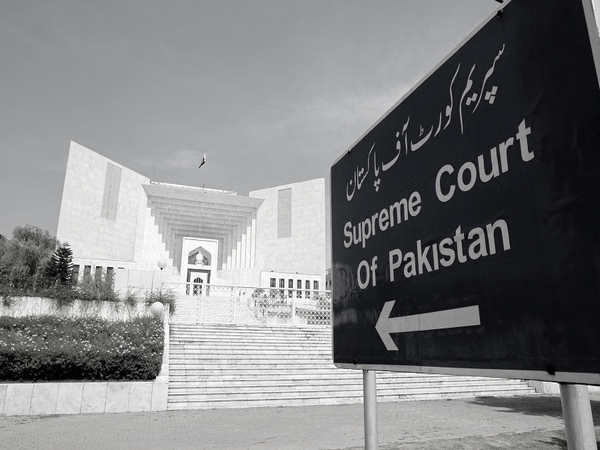
27th amendment ignored in Pakistan SC full court session
In a surprising move, a full court meeting of the Supreme Court of Pakistan, convened by Chief Justice Yahya Afridi on Friday, did not discuss the recently enacted 27th Constitutional Amendment, according to a Supreme Court press release cited by Dawn. The session had been widely anticipated after multiple judges requested a thorough review, given the amendment’s profound implications for judicial independence.
Instead, the meeting focused on updating the Supreme Court Rules, 2025, based on recommendations from a committee comprising Justices Shahid Waheed, Irfan Saadat Khan, Naeem Akhtar Afghan, and Aqeel Ahmed Abbasi. The revisions aim to remove difficulties in implementing the rules, improve service delivery, and ensure affordable and efficient administration of justice. The court also approved granting senior advocate status to Muhammad Munir Paracha under the new rules.
The 27th Amendment has been widely criticized as effectively hijacking the judiciary. It establishes the Federal Constitutional Court (FCC), headed by a government-appointed chief justice, which assumes critical Supreme Court responsibilities, including cases on fundamental rights and constitutional disputes. This gives the new chief justice indirect control over the judiciary and the potential to target political opponents, including Imran Khan and other Pakistan Tehreek-e-Insaf (PTI) leaders. Following the amendment, two Islamabad High Court judges, Justice Mohsin Akhtar Kayani and Justice Saman Rafat Imtiaz, indicated they would not hear cases in December, citing concerns over judicial independence.
Justice Salahuddin Panwhar became the third Supreme Court judge to request a full court discussion, warning that the amendment could disrupt the “careful balance that the framers intended,” potentially affecting judicial tenure, bench composition, appointments, and administrative autonomy. Earlier, Justices Syed Mansoor Ali Shah and Athar Minallah resigned after the amendment’s passage, having urged the Chief Justice to convene a judicial conference to address threats to the judiciary. Justice Shah described the amendment as a political move to weaken judicial authority, while Justice Minallah emphasized the urgency of open dialogue, calling the judiciary a “perilous crossroads” and insisting that Parliament consider the institution’s views before altering the nation’s fundamental laws.
The amendment has also triggered political friction. While it was passed under the leadership of former Prime Minister Nawaz Sharif, dissenting voices have emerged not only from opposition parties and the public but even from some members of Sharif’s own party and allied groups. This underscores the growing concern that the amendment could deepen political polarization and provoke broader institutional conflict.
Senior lawyer Faisal Siddiqui, supported by former judges, also appealed to the Chief Justice to take a stand. Lawyers across Pakistan have described the resignations a “dark day,” warning that the amendment raises serious alarms over judicial independence and the judiciary’s ability to maintain public trust. Observers expressed surprise at the Supreme Court’s decision to sidestep the amendment discussion, given the unprecedented resignations, political divisions, and high-stakes constitutional questions involved.