
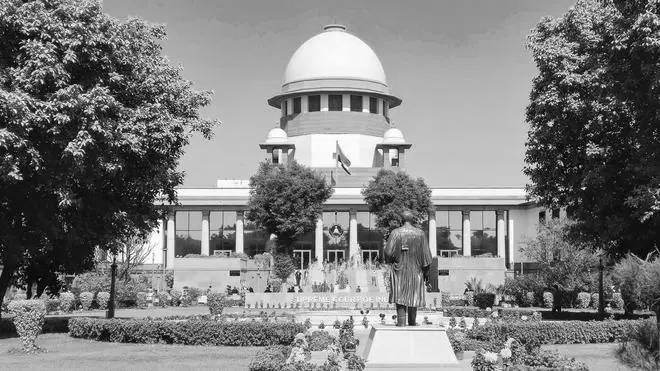
26 Indians Allegedly Forced Into War in Russia, Supreme Court Orders Centre to Act
The Supreme Court of India has taken up a deeply concerning plea involving 26 Indian citizens allegedly stranded in Russia , where they are believed to have been coerced into participating in the ongoing Russia–Ukraine conflict . The case has exposed a troubling network of illegal recruitment, deception, and cross-border exploitation , raising urgent questions about the safety of Indians seeking overseas employment.
During the hearing, a bench led by Chief Justice Surya Kant , along with Justices Joymalya Bagchi and Vipul M. Pancholi , directed Solicitor General Tushar Mehta to seek instructions from the central government. The court has scheduled further proceedings later this month, signaling the seriousness of the allegations and the need for swift diplomatic intervention.
At the heart of the issue lies a well-organized recruitment racket that allegedly lured young Indians with promises of high-paying jobs, support roles in foreign establishments, or opportunities in Europe . Many of these individuals reportedly paid ₹2 to ₹5 lakh to agents operating within India, often funding these payments through loans or family savings. However, upon arrival in Russia, the situation reportedly took a drastic turn.
Victims have claimed that their passports were confiscated , and they were forced to sign contracts in a foreign language , effectively binding them to roles they had not agreed to. In several instances, they were allegedly pushed into active combat zones in the Ukraine war, far removed from the jobs they had been promised. Some accounts suggest that refusal to comply could lead to detention, threats of imprisonment, or deportation , leaving them with little choice but to comply.
Legally, the situation remains complex. Under Russian jurisdiction, these individuals may be treated as contractual military personnel , even if the agreements were obtained through misrepresentation or coercion . However, under international law, such circumstances may amount to human trafficking and forced recruitment into armed conflict , positioning the victims as survivors of exploitation rather than offenders .
The plea before the court has sought immediate diplomatic and consular intervention , urging the government to act through its embassy in Russia to determine the whereabouts, legal status, and safety of the affected individuals. It also calls for ensuring consular access under the Vienna Convention on Consular Relations , along with access to medical care, legal assistance, and communication with families . Importantly, the petition seeks their safe repatriation to India , wherever permissible under international frameworks.
Beyond rescue efforts, the plea highlights the need for accountability within India . It calls for states such as Rajasthan, Haryana, Punjab, and Himachal Pradesh to intensify investigations into illegal recruitment agents who exploit vulnerable job seekers with false promises. Authorities have already identified patterns of fraud, trafficking, and organized deception , suggesting that the issue extends beyond isolated cases.
The numbers further underline the gravity of the situation. While the current plea focuses on 26 individuals , broader estimates indicate that over 200 Indians may have been recruited into the Russian military through similar channels. Among them, several have reportedly returned, while others remain unaccounted for, and some have tragically lost their lives.
This unfolding case sheds light on a growing global concern the exploitation of migrant workers through deceptive overseas employment networks , particularly in conflict zones. It underscores the urgent need for stronger regulatory mechanisms, international cooperation, and public awareness to prevent such incidents in the future.
As the court prepares to hear the matter again, the focus will remain on whether timely diplomatic action can ensure the safe return of those still trapped , while also dismantling the networks responsible for placing them in harm’s way.