
24+ US States Sue Trump Administration Over New Conditions on Disaster Relief Funds
More than two dozen US states have filed a lawsuit against the Trump administration, accusing it of unlawfully attaching election and immigration-related conditions to billions of dollars in federal disaster relief funding.
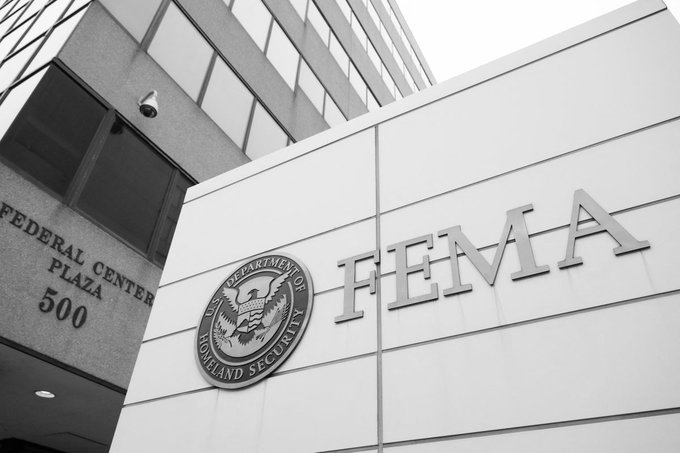
The lawsuit, filed in a federal court in Rhode Island, challenges new policies introduced by the Federal Emergency Management Agency (FEMA) and the Department of Homeland Security (DHS). The states argue that disaster assistance approved by Congress cannot legally be made conditional on compliance with unrelated federal policy priorities.
According to the complaint, states seeking disaster funding are now being required to modify their election systems and cooperate more closely with federal immigration enforcement. The lawsuit also alleges that the new rules give DHS broad authority to terminate grants at any time and for any reason, creating uncertainty over critical funding.
Rhode Island Attorney General Peter Neronha accused the administration of putting public safety at risk by attempting to pressure states into surrendering their constitutional authority to make policy decisions that best serve their residents.
The states contend that the new requirements violate both the US Constitution's Spending Clause and the Administrative Procedure Act, arguing that the executive branch cannot impose conditions on money already appropriated by Congress.
The case marks the latest legal confrontation between the Trump administration and predominantly Democratic-led states. Similar disputes have emerged over education funding, domestic violence grants and transportation funds, with federal courts previously ruling that the administration could not withhold or redirect funding to compel states to adopt its preferred policies.
Among the most contentious requirements are mandates for states to transition to paper-ballot voting systems, conduct manual audits, reconcile voter rolls and verify the citizenship of every registered voter. States that fail to comply could lose at least 20 per cent of their Homeland Security Grant Program funding, which supports cybersecurity, counterterrorism and emergency preparedness initiatives.
The administration has long argued for tighter election safeguards, while critics maintain there is no evidence of widespread voter fraud significant enough to justify such sweeping federal conditions. The latest lawsuit seeks to block the new funding rules before they take effect for the 2026 grant cycle, setting the stage for another major constitutional battle over the limits of federal authority.