
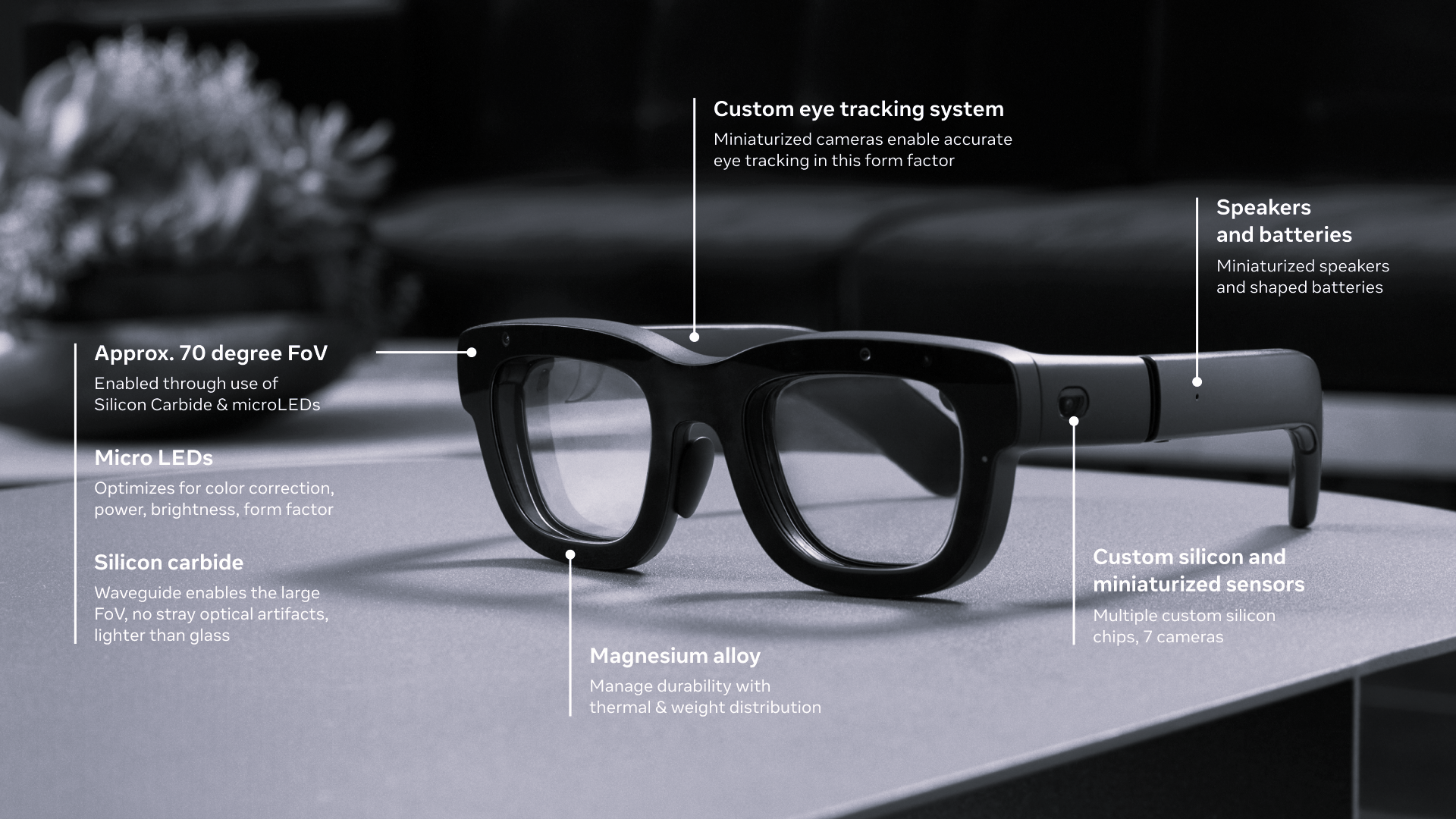
2027 Phoenix glasses set to showcase Meta’s most refined mixed-reality tech yet
Ray-Ban Meta smart glasses have quickly evolved from a niche experiment into one of the fastest-growing products in the global wearable technology market. Since their launch in late 2023, the glasses have fuelled an industry-wide surge, transforming smart eyewear into a mainstream consumer trend. Data from multiple research houses shows that global smart-glasses shipments jumped 110% year-on-year in the first half of 2025, with Meta capturing nearly three-quarters of the entire market. Much of this momentum stems from the widespread popularity of Ray-Ban Meta models, which alone have sold over two million units worldwide since launch, including nearly one million in 2024. Leading eyewear manufacturer EssilorLuxottica, Meta’s partner in the product, reported that revenue from these glasses more than tripled by mid-2025, prompting the company to expand production capacity with the aim of producing up to 10 million units annually by 2026.
The rapid rise in demand is closely tied to shifting consumer preferences: people now favour lightweight, stylish wearables that blend seamlessly into everyday life. Unlike bulky headsets or VR devices, Ray-Ban Meta glasses look like conventional eyewear while offering powerful AI assistance, hands-free video capture, voice commands, and instant content sharing. This combination of practicality and aesthetics has lowered the barrier to adoption, pushing smart glasses from a tech innovation to a lifestyle accessory. Market analysts note that AI-powered models now make up nearly 80% of all smart-glasses shipments globally, indicating a clear shift from curiosity to real-world usage.
The surge in Ray-Ban Meta’s popularity has also attracted new competitors. Brands such as Xiaomi, TCL-RayNeo, and Thunderobot have entered the market with their own AI-driven glasses, expanding the product category and making 2025 one of the most competitive years for smart eyewear. Analysts forecast that the segment could sustain a compound annual growth rate of more than 60% through 2029, driven by broader use cases, bigger retail footprints, and increasing consumer comfort with AI-enabled personal devices.
With manufacturing scaling rapidly, analysts believe that smart glasses are now on track to become a standard wearable device in the next few years, much like smartwatches a decade ago. Future models may introduce display-based augmented reality, deeper AI integration, and specialised applications for travel, work, and entertainment transforming glasses into a full-fledged wearable computing platform. The rise of Ray-Ban Meta has not only fuelled an industry boom but has also redefined consumer expectations, making smart eyewear one of the most promising categories in personal technology today.