
2025: Gen Z protests bring down Nepal government
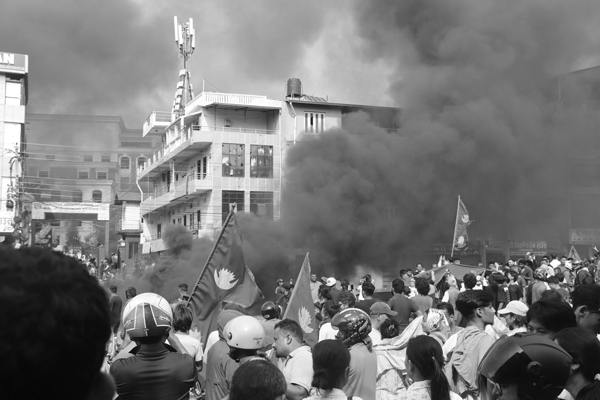
Nepal witnessed a historic political upheaval in 2025 as massive street protests led by Gen Z against corruption, nepotism, and a social media ban escalated into violence, culminating in the resignation of Prime Minister K P Sharma Oli. The September protests, sparked by online campaigns targeting the “Nepo kids” children of political elites flaunting lavish lifestyles, left at least 77 people dead and prompted widespread vandalism of government buildings, including the Parliament, Prime Minister’s Office, Supreme Court, and police posts.
Following Oli’s resignation on September 9, President Ramchandra Paudel appointed former Chief Justice Sushila Karki as Nepal’s first woman prime minister to head a caretaker government. Karki immediately announced early elections for March 5, 2026 , a year ahead of schedule. The political turmoil also reignited debates over monarchy and Hindu state restoration, with smaller pro-monarchy protests in March resulting in clashes that killed two civilians.
Oli, known for his pro-China orientation, became the first Nepalese prime minister not to visit India during his tenure, though he met Prime Minister Modi in Bangkok on the sidelines of the 6th Bangladesh, India, Myanmar, Sri Lanka, Thailand, Nepal, and Bhutan (BIMSTEC) summit. Tensions with India increased after Nepal issued a new Rs 100 note featuring disputed territories Kalapani, Lipulekh, and Limpiyadhura and objected to resuming India-China border trade through Lipulekh. Meanwhile, India continued development cooperation, providing logistical support for elections, building schools, hospitals, and community halls, and assisting with disaster relief following floods and landslides.
2025 also tested Nepal’s resilience to natural disasters. A magnitude-7 earthquake struck eastern Nepal in January, while July flash floods in the Bhotekoshi River killed nine people, including six Chinese, and damaged hydropower projects. Heavy monsoon rains in October triggered landslides that claimed at least 60 lives. India was among the first to send emergency aid, including prefabricated steel bridges to restore connectivity.
Nepal further strengthened regional cooperation, exporting 40 MW of electricity to Bangladesh through Indian transmission lines under a tri-lateral agreement. Pilgrimages to Kailash Mansarovar resumed post-Covid, reflecting ongoing ties with India. The country also condemned the April terrorist attack in Jammu and Kashmir that killed Nepali national Sudip Neupane among 26 victims.
As Nepal enters 2026, the political unrest, natural disasters, and regional tensions of 2025 are expected to influence governance, disaster preparedness, and foreign policy. The caretaker government faces the challenge of ensuring stability, implementing reforms to curb corruption and nepotism, and carefully navigating relations with both India and China amid ongoing territorial and trade disputes.