
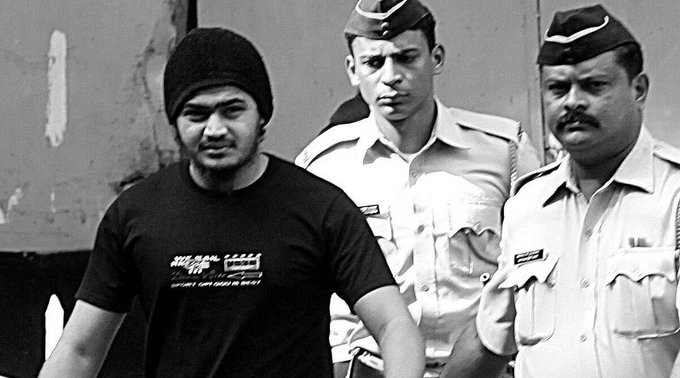
2014 ISIS Case: NIA invokes UAPA section 17 against Areeb Majeed in fifth chargesheet
The National Investigation Agency (NIA) has filed its fifth supplementary chargesheet against former engineering student Areeb Majeed in the 2014 ISIS-linked case, invoking a key provision related to terror financing under the Unlawful Activities (Prevention) Act (UAPA).
The latest chargesheet, submitted before a special NIA court, adds Section 17 of the UAPA , which pertains to raising funds for terrorist acts . Special judge Chakor Baviskar has taken cognisance of the filing and directed that a copy be furnished to the accused. Majeed, a resident of Kalyan in Maharashtra’s Thane district, is currently out on bail and remains the only accused arrested in the case so far. He continues to face trial for multiple terror-related offences.
The case dates back to May 2014, when four engineering students Majeed , Fahad Shaikh , Saheem Tanki and Aman Tandel travelled to Iraq, ostensibly as part of a group of 22 pilgrims visiting religious shrines. However, investigators later found that the group had allegedly moved to Fallujah , then a stronghold of the Islamic State.
Following their disappearance, other pilgrims informed authorities about the group’s movements. In August 2014, Tanki reportedly called Majeed’s family, claiming he had been killed while fighting for ISIS in Syria, prompting the family to perform last rites in absentia.
In a dramatic turn, Majeed returned to India months later and was arrested on November 28, 2014, upon his arrival in Mumbai from Turkey. The three co-accused Fahad Shaikh, Saheem Tanki and Aman Tandel remain absconding . Last month, the special court issued a proclamation notice directing them to appear within a month. Failure to comply would result in them being declared proclaimed offenders , enabling authorities to initiate property attachment proceedings .
The addition of the terror funding charge signals a strengthening of the prosecution’s case , suggesting that Majeed’s alleged role extended beyond participation to include financial support for terrorist activities .
The case remains one of the earliest instances of alleged ISIS recruitment and radicalisation involving Indian nationals, with only one arrest made so far despite multiple accused being named.