
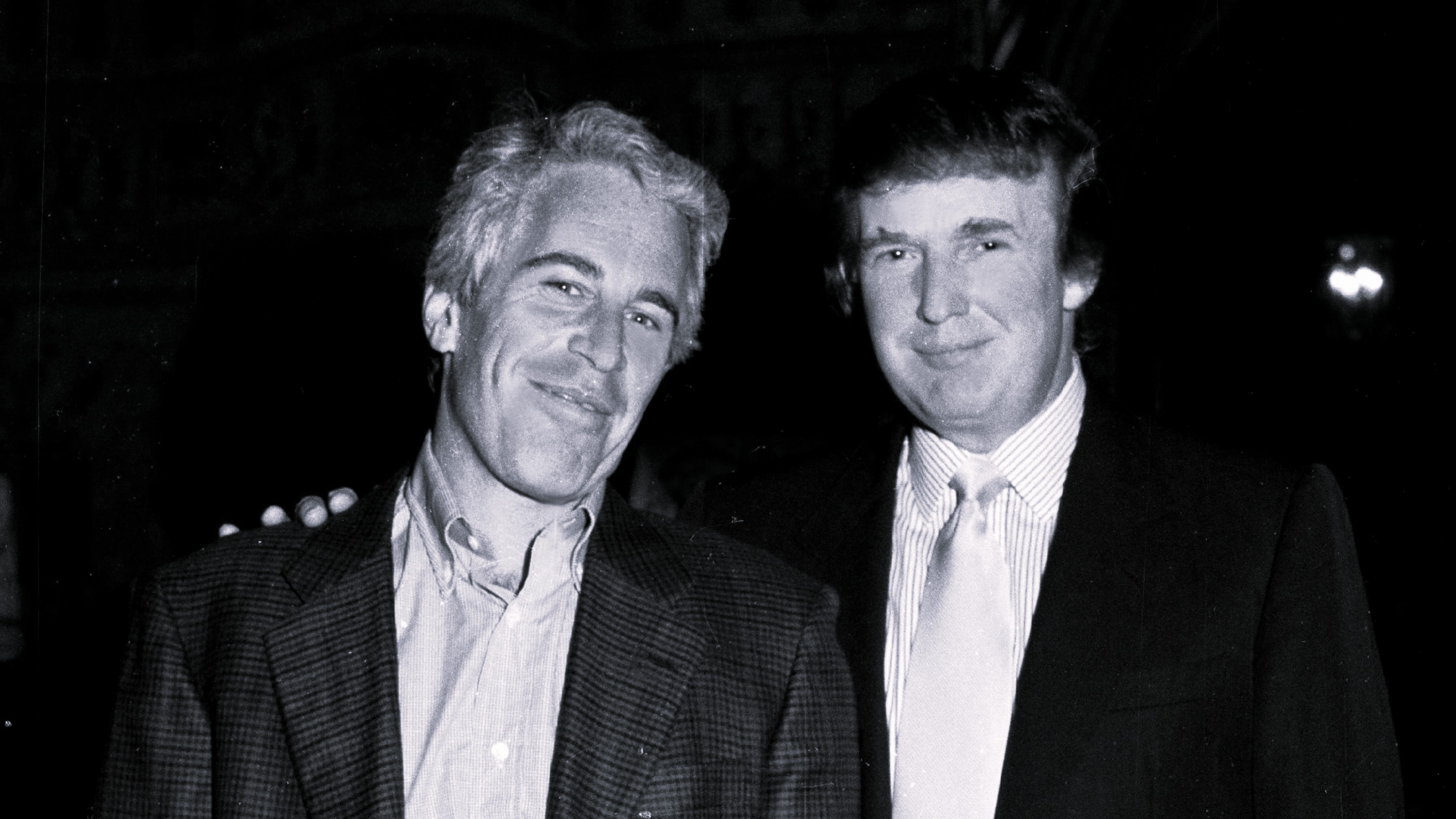
Full Release of Epstein Files Soon?
The push for complete public disclosure of all Jeffrey Epstein - related documents has gained fresh momentum in Washington, raising expectations and anxieties across political, business, and diplomatic circles. While tens of thousands of pages have already come out in waves since mid-2025, lawmakers from both parties insist that only a fraction of the overall material has been made public, forcing Congress to now vote on whether to compel the Department of Justice (DOJ) to release the rest.
So far, two major batches have been made public. In August and September 2025 , the House Oversight Committee released more than 33,000 pages of DOJ records, including investigative notes, internal communications, and correspondence tied to Epstein’s plea deal, his 2019 arrest, and the controversial non-prosecution agreements that shielded several associates. On 12 November 2025 , a second cache of over 20,000 pages from Epstein’s estate was published, containing emails, calendar entries, flight-related correspondence, and references to interactions with high-profile individuals including U.S. President Donald Trump, former President Bill Clinton, and several well-known businessmen, diplomats, and celebrities. Many mentions are peripheral or social in nature, but their mere presence has intensified political and media scrutiny.
Despite the volume already released, lawmakers say much remains shielded. Several categories including sealed court records, grand jury material, internal DOJ deliberations, and parts of Epstein’s financial network are still inaccessible to the public. This gap is the reason behind the Epstein Files Transparency Act , which Congress is now preparing to vote on. A discharge petition signed by more than 218 members forced the House leadership to bring the bill forward, despite reported discomfort within both parties and skepticism from the Trump administration.
The full release could prove politically uncomfortable for a range of figures. Mentions of Donald Trump appear frequently in estate correspondence; Bill Clinton’s past travel associations are likely to receive renewed attention; and global business magnates, foundation heads, diplomats, and social figures some mentioned only in passing may face unwelcome questioning once all files become public. Even foreign governments are quietly monitoring developments, given the possibility of names linked to international trips or donations surfacing in the court materials.
With Congress now under pressure to act, and additional batches expected if the bill becomes law, the Epstein saga long marked by secrecy, unanswered questions, and suspicion appears headed for its most transparent chapter yet.